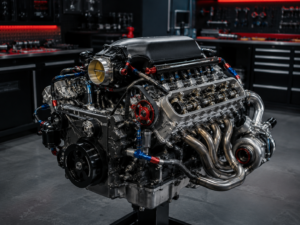
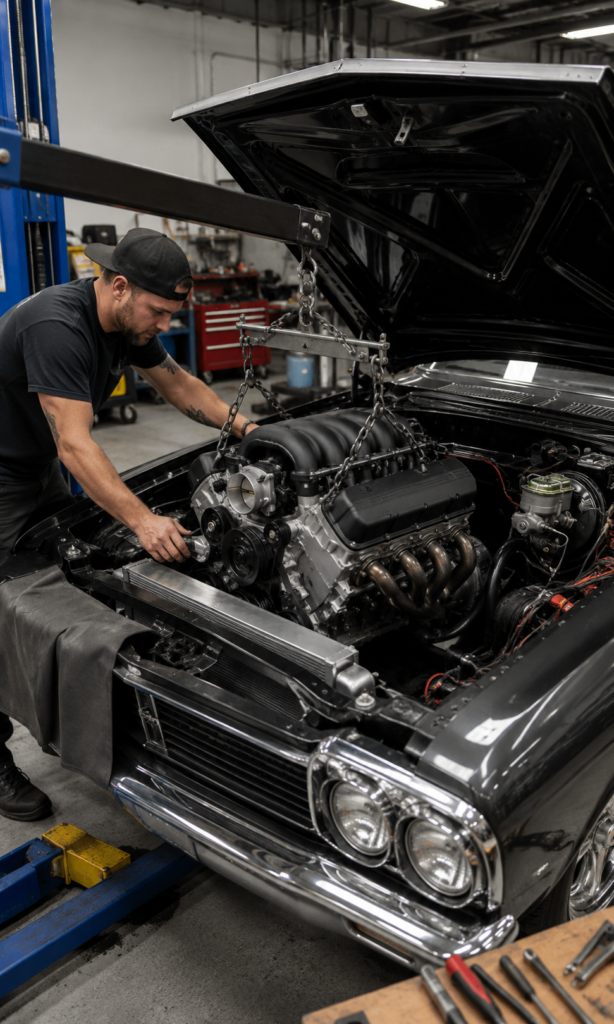
Walk through almost any performance shop or car show and you’ll notice a pattern: an awful lot of engine bays — in trucks, muscle cars, imports, and even boats — have an LS engine sitting where something else used to be. There’s a reason the “LS swap” has become its own category of build rather than just a trend.
What Makes the LS Platform Special
GM’s LS engine family, produced from the late 1990s through the modern LT-based successors, hits a rare combination: it’s compact, relatively light for a V8, and was produced in huge volume across trucks, SUVs, and performance cars for over two decades. That production volume means used LS engines and parts are widely available and reasonably priced compared to many other swap platforms.
On top of that, the aftermarket support is enormous. Motor mounts, wiring harnesses, oil pans, headers, and accessory brackets exist for nearly every popular swap application, which cuts down dramatically on custom fabrication compared to swapping in a less common engine.
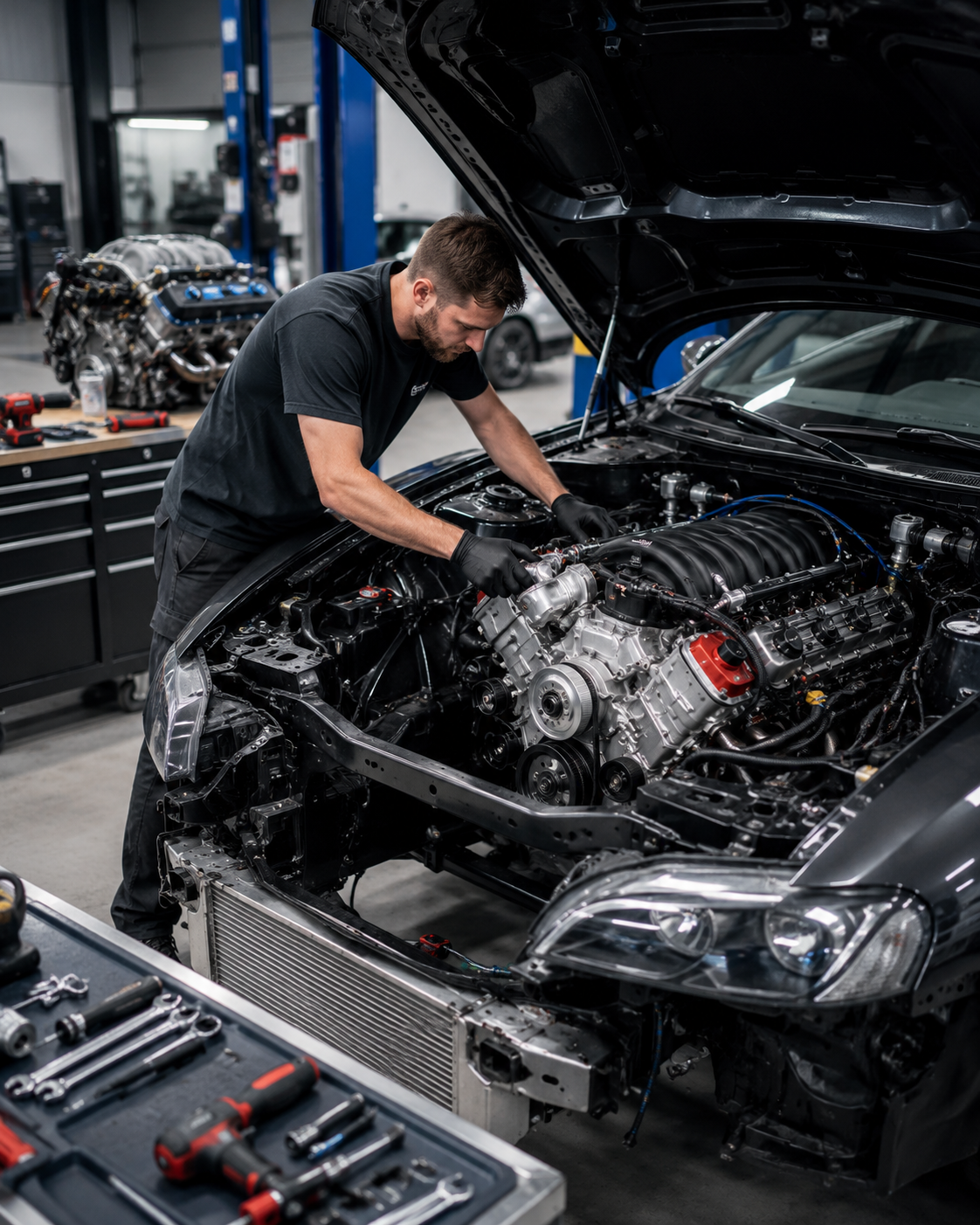
Engine Swap vs. Engine Replacement
It’s worth understanding the difference before you commit to a project. A straight engine replacement generally uses the same or a directly compatible engine, keeping the factory wiring, ECU, transmission, mounts, and fuel and cooling systems largely intact — it follows an established repair procedure.
An engine swap, like dropping an LS into a chassis that never came with one, uses a different engine configuration entirely. That typically means custom wiring and ECU integration, potentially a different transmission, custom motor mounts and clearance work, and often upgraded fuel and cooling systems to support the new combination. It’s a bigger project, but it’s also where an LS swap really shines — because so much of that groundwork has already been solved by the broader LS swap community and aftermarket.
What Goes Into a Proper LS Swap
A clean LS swap isn’t just bolting an engine into a chassis. It involves careful planning around oil pan and crossmember clearance, steering clearance, cooling system integration, wiring and ECU tuning, and making sure the transmission and driveline can handle the power. Skipping steps here is how you end up with oil pan-to-crossmember contact, overheating issues, or a check engine light that never goes away.
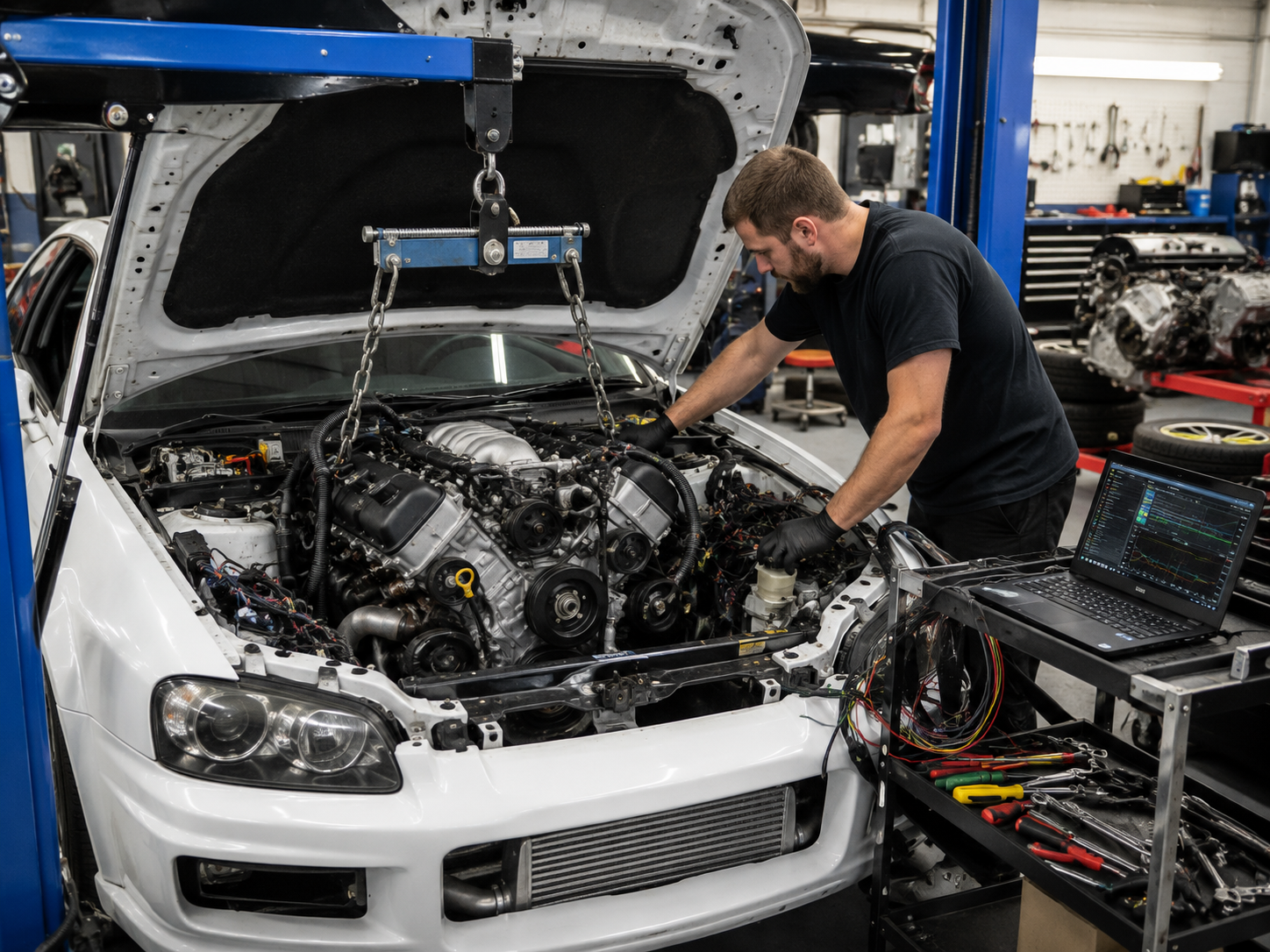
We also see a lot of customer-supplied parts on swap projects — engines, transmissions, and accessories people have sourced themselves. Before any of that goes into a build, it’s worth having it evaluated so you know exactly what condition it’s in before it’s committed to the car.
Planning Your Own LS Swap
Whether you’re building a classic truck, a restomod muscle car, or just want to retire a tired factory engine for something with real aftermarket potential, an LS swap is one of the most proven paths to reliable, serious horsepower. If you’re in Winston-Salem or the Piedmont Triad and you’re weighing your options, get in touch with Big South Performance to talk through what a swap would look like for your specific vehicle.