Home > Performance Services > ECU Tuning
Big South Performance provides ECU tuning and performance calibration for compatible street, restomod, and motorsport vehicles in Winston-Salem, Forsyth County, and the surrounding Piedmont Triad.
Modern performance depends on more than installing aftermarket parts. The engine control unit, commonly called the ECU, determines how the engine responds to airflow, fuel, ignition timing, throttle input, engine load, temperature, boost, and other operating conditions.
When a vehicle is modified, its factory calibration may no longer be ideally matched to its mechanical configuration. Proper ECU tuning can help coordinate compatible modifications while improving power delivery, throttle response, drivability, and overall vehicle behavior.
Big South Performance approaches ECU tuning as part of a complete performance system. We consider the vehicle’s mechanical condition, installed components, fuel requirements, cooling capacity, drivetrain, intended use, and long-term build plan before recommending calibration work.
Whether you are refining a modified street car, supporting compatible engine upgrades, integrating a modern powertrain into a restomod, or developing a motorsport-focused vehicle, Big South Performance can help determine the appropriate next step.
ECU tuning is the process of adjusting supported engine-management parameters to better match the vehicle’s hardware, fuel, intended use, and performance objectives.
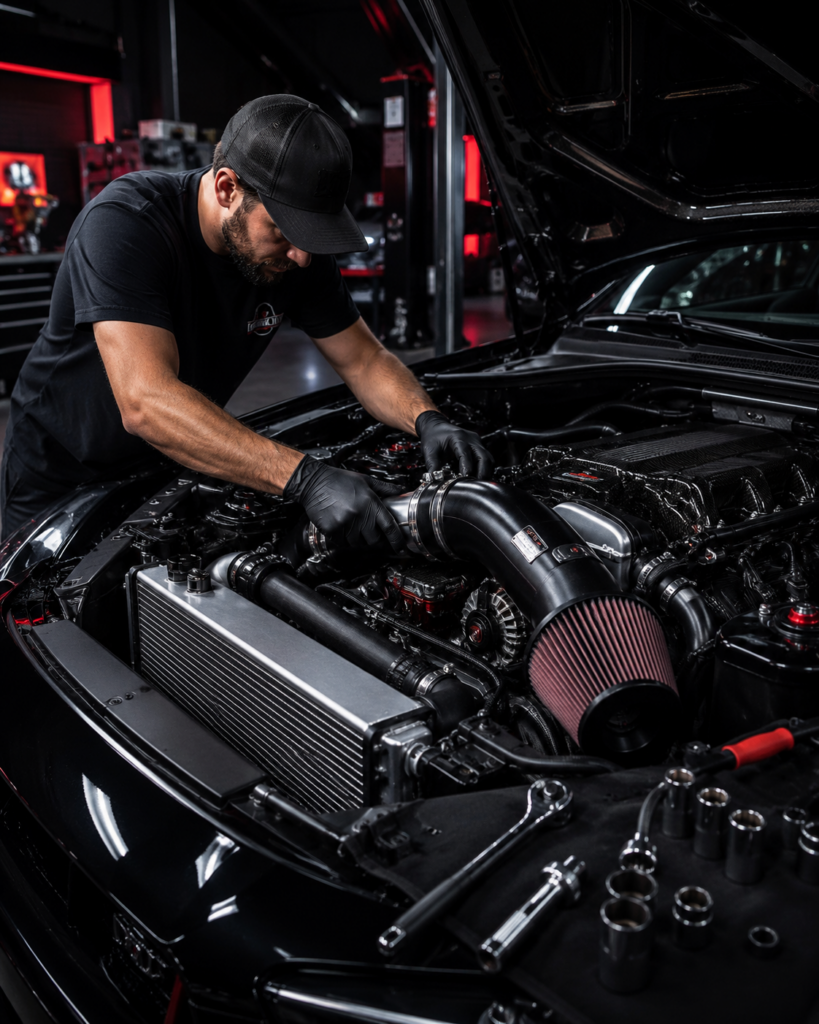
Depending on the vehicle and available tuning support, calibration may influence:
ECU tuning should not mean maximizing every available parameter.
A responsible calibration should work within the limits of the engine, fuel system, cooling system, transmission, drivetrain, and installed components. The best tune is not necessarily the most aggressive tune. It is the calibration that best supports the complete vehicle and the way the owner intends to use it.
Modern vehicles use electronic control modules to continuously manage engine operation.
The ECU uses that information to determine how the engine should respond.
Factory calibrations are designed around the original engine configuration, emissions equipment, fuel requirements, warranty considerations, operating environment, and performance targets established by the manufacturer.
When compatible aftermarket parts change the way the engine breathes, burns fuel, creates boost, or delivers torque, calibration changes may be needed to support the new combination.
The outcome of performance tuning depends on the vehicle, engine, ECU, fuel, installed modifications, mechanical condition, and available calibration access.
On a compatible vehicle, properly planned tuning may help improve several areas.
Electronic throttle systems do not always translate pedal movement directly into throttle opening. Supported calibration changes may refine how the vehicle responds to driver input. The objective may be a more immediate response, smoother control, or more predictable behavior depending on the application.
Performance tuning may increase usable engine output when the vehicle, fuel, and installed components support it. The result should not be judged only by a single peak horsepower number. The shape of the power curve, torque delivery, throttle behavior, heat management, and drivability are also important.
A vehicle may benefit from smoother, more predictable power across a useful RPM range. Street vehicles often benefit from broad, controllable torque rather than a narrow peak that is difficult to use in everyday driving.
Modified engines may require different fuel and ignition strategies from an otherwise stock engine.
Calibration must account for:
Fuel and ignition changes must be based on the actual combination rather than assumptions about the vehicle.
On supported turbocharged and supercharged applications, the ECU may control or influence:
Boost must be matched to the engine, fuel system, intercooling, cooling capacity, transmission, drivetrain, and intended use.
Camshaft changes, airflow modifications, engine conversions, and other performance upgrades can affect idle quality and low-speed operation.
Calibration may help coordinate compatible modifications, but software cannot eliminate every compromise associated with aggressive mechanical components.
On supported applications, transmission calibration may influence:
Transmission calibration must be approached carefully. Aggressive changes can increase wear or expose existing mechanical weaknesses.
Not every aftermarket part requires ECU tuning.
Calibration may become necessary when a modification meaningfully changes airflow, fuel demand, boost, camshaft operation, engine load, torque output, or another function controlled by the ECU.
A vehicle may require or benefit from tuning after compatible modifications such as:
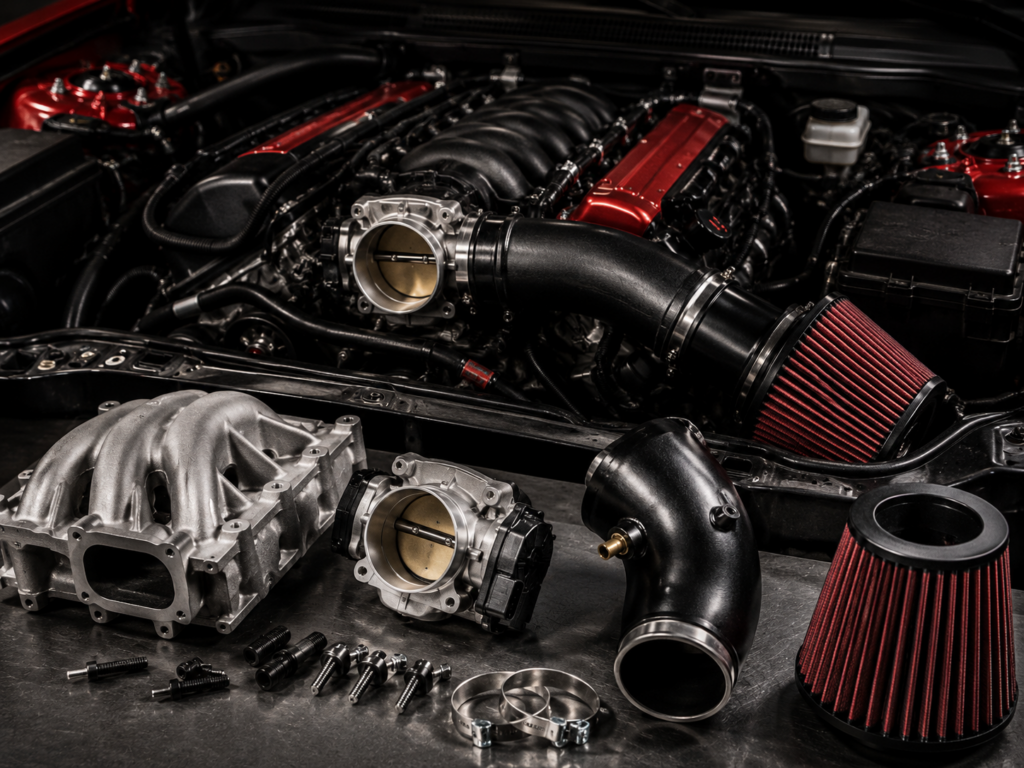
A modified vehicle may also require evaluation when it develops:
These symptoms do not automatically prove that the calibration is at fault. Mechanical, fuel, ignition, sensor, wiring, and installation problems must also be considered.
A calibration cannot repair:
Clearing a diagnostic code or altering monitoring does not correct the underlying problem.
A mechanically sound vehicle provides the strongest foundation for performance tuning. Known engine, fuel-system, ignition, cooling, electrical, or drivetrain concerns should be corrected before aggressive calibration work begins.
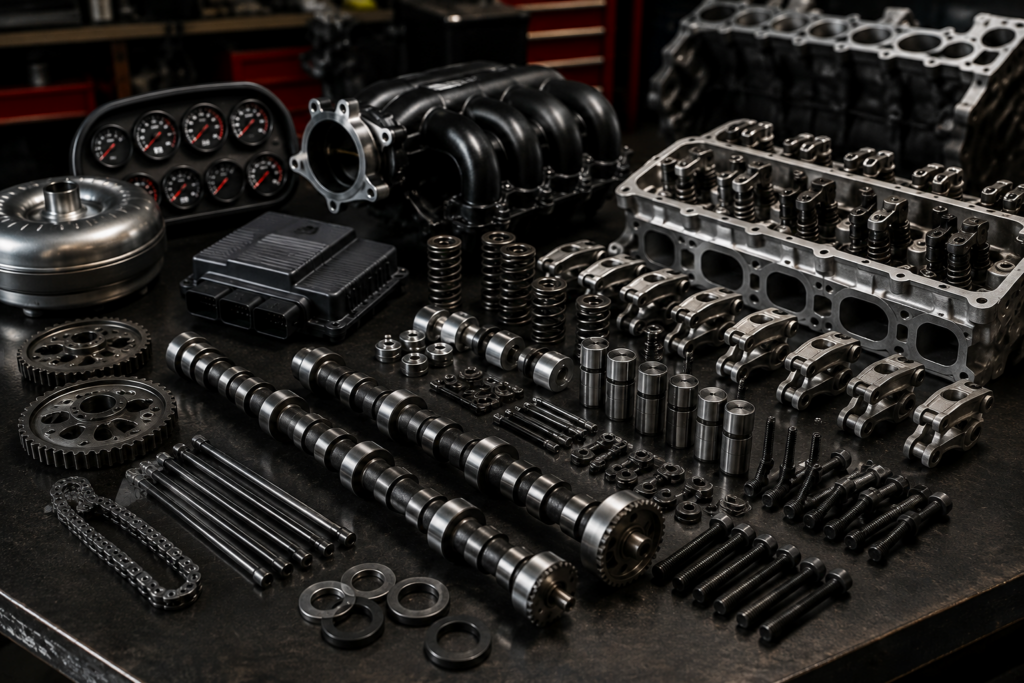
Before a vehicle is tuned, it may be necessary to evaluate:
A vehicle with weak fuel delivery, overheating, ignition failure, or an unresolved engine problem should be repaired before performance calibration is attempted.
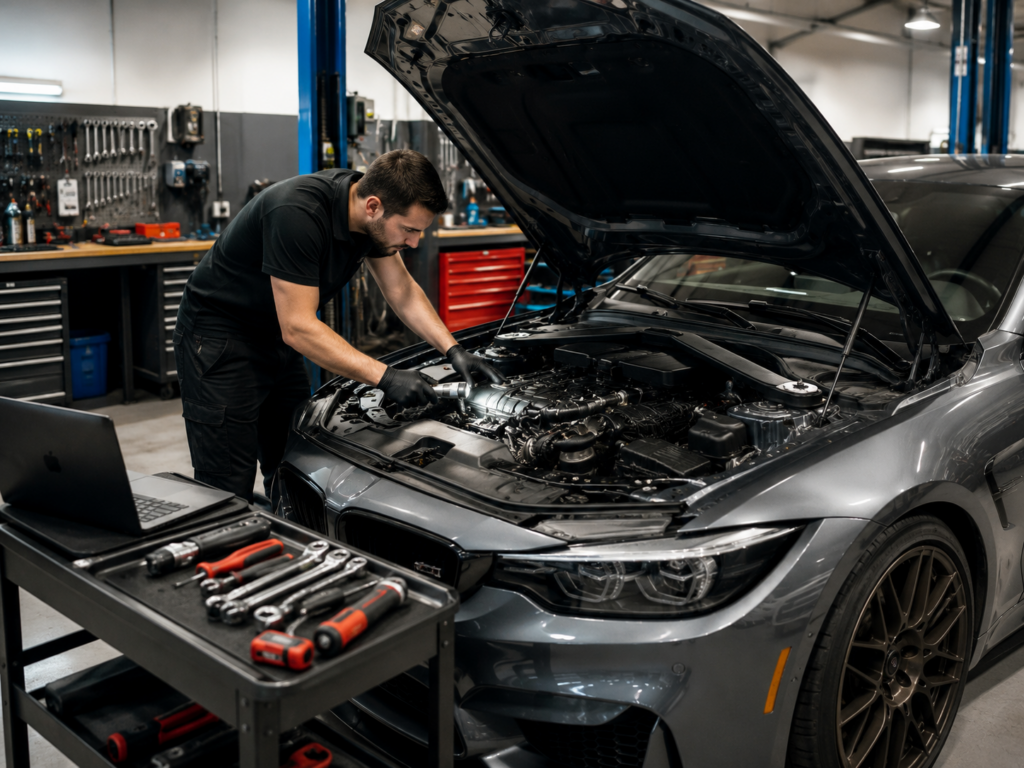
Naturally aspirated engines rely on atmospheric pressure rather than a turbocharger or supercharger to fill the cylinders.
Common naturally aspirated modifications may include:
A naturally aspirated calibration may need to account for:
The potential benefit depends on the engine platform and the complete modification combination.
An otherwise stock engine will respond differently from an engine with significant changes to its camshaft, compression, displacement, cylinder heads, or airflow.
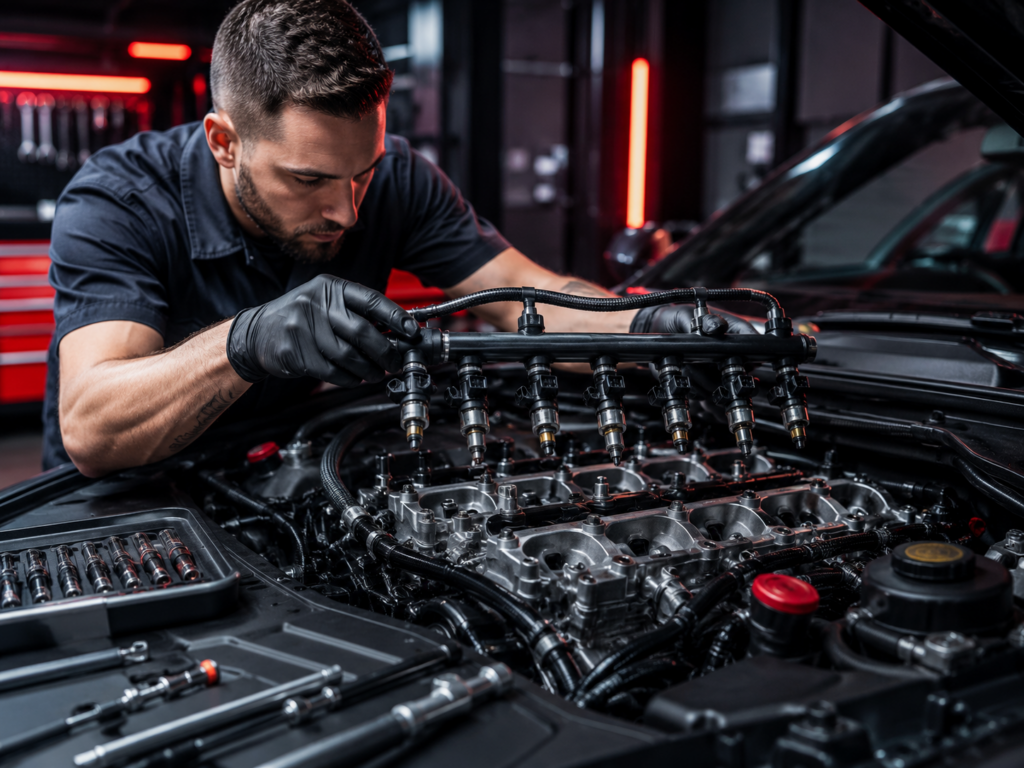
Forced induction increases the amount of air entering the engine. This can produce substantial power, but it also increases cylinder pressure, fuel demand, heat, and drivetrain load.
A forced-induction calibration may need to coordinate:
The calibration is only one part of the system.
A compatible forced-induction build may also require:
Increasing boost without evaluating these supporting systems can create more heat and stress than the vehicle can reliably manage.
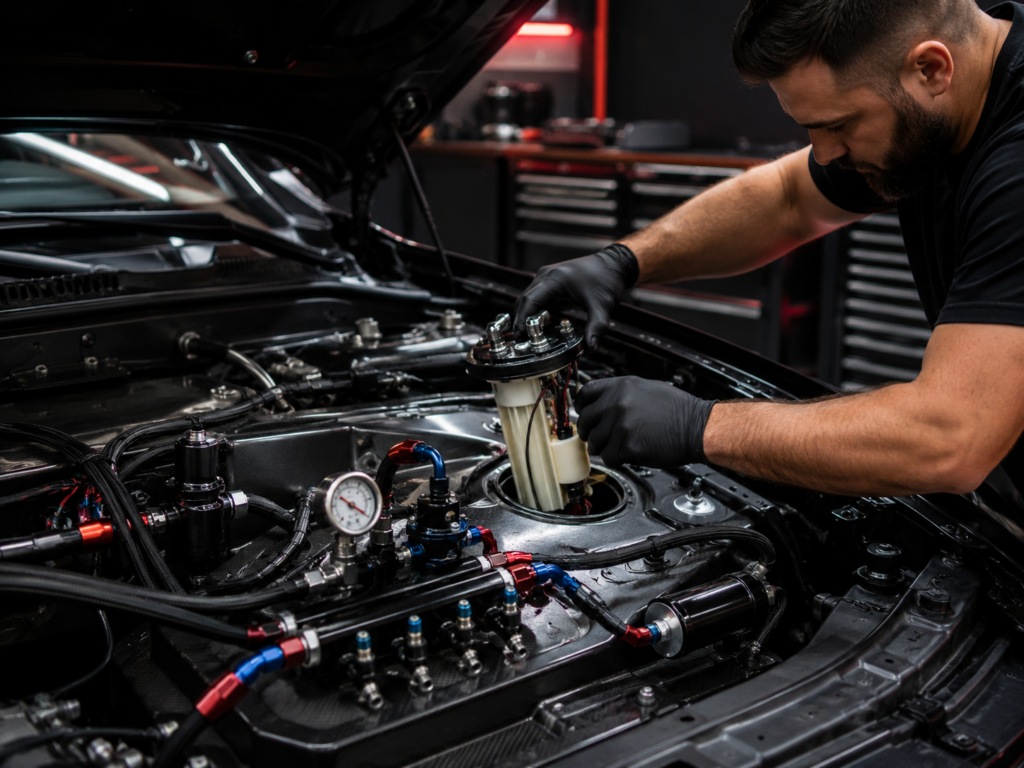
Camshaft modifications can alter:
Depending on the engine and ECU, calibration changes may be needed for:
More aggressive camshafts may create unavoidable changes in sound, vacuum, low-speed response, and drivability.
Tuning can coordinate a supported combination, but it cannot make every race-oriented component behave like a factory part.
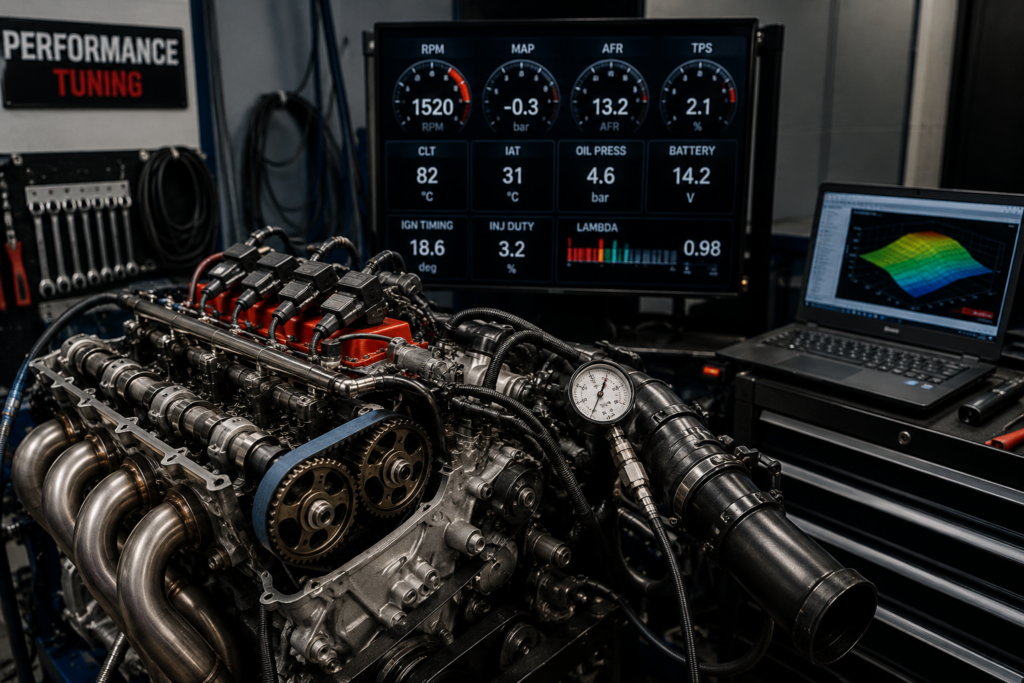
Restomods and engine-swapped vehicles present unique calibration and integration challenges.
A modern engine installed in a classic car or truck may require communication and coordination between:
An engine may start and run without all of these systems being integrated correctly. That does not mean the conversion is complete.
A well-developed restomod should:
Big South Performance considers calibration and powertrain integration together when evaluating restomod and conversion projects.
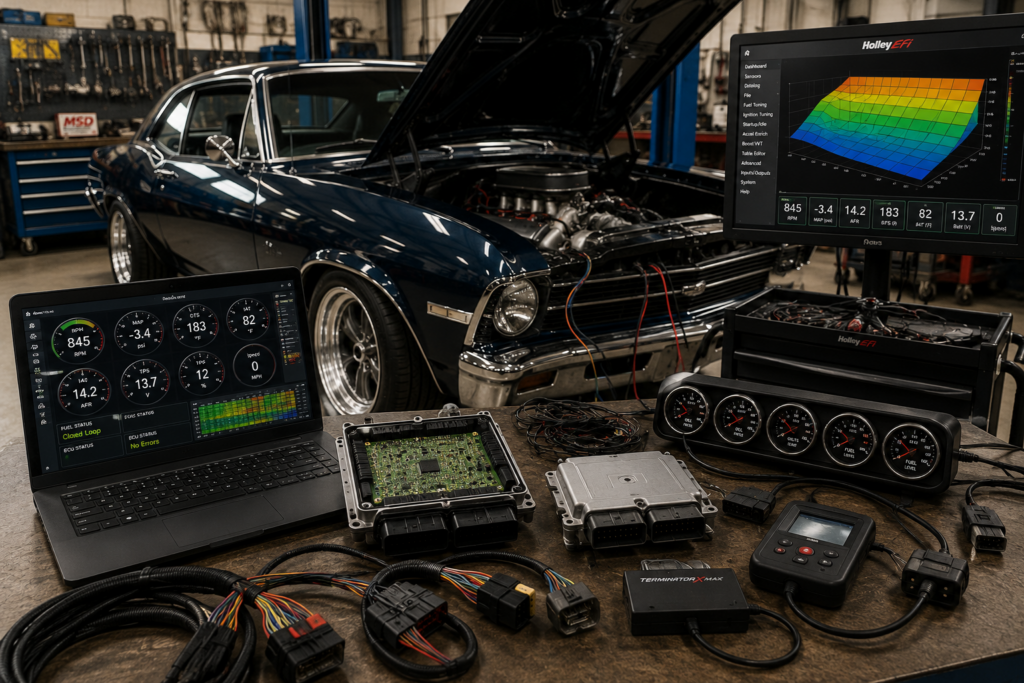
A street-driven vehicle must operate in more situations than a short full-throttle acceleration run.
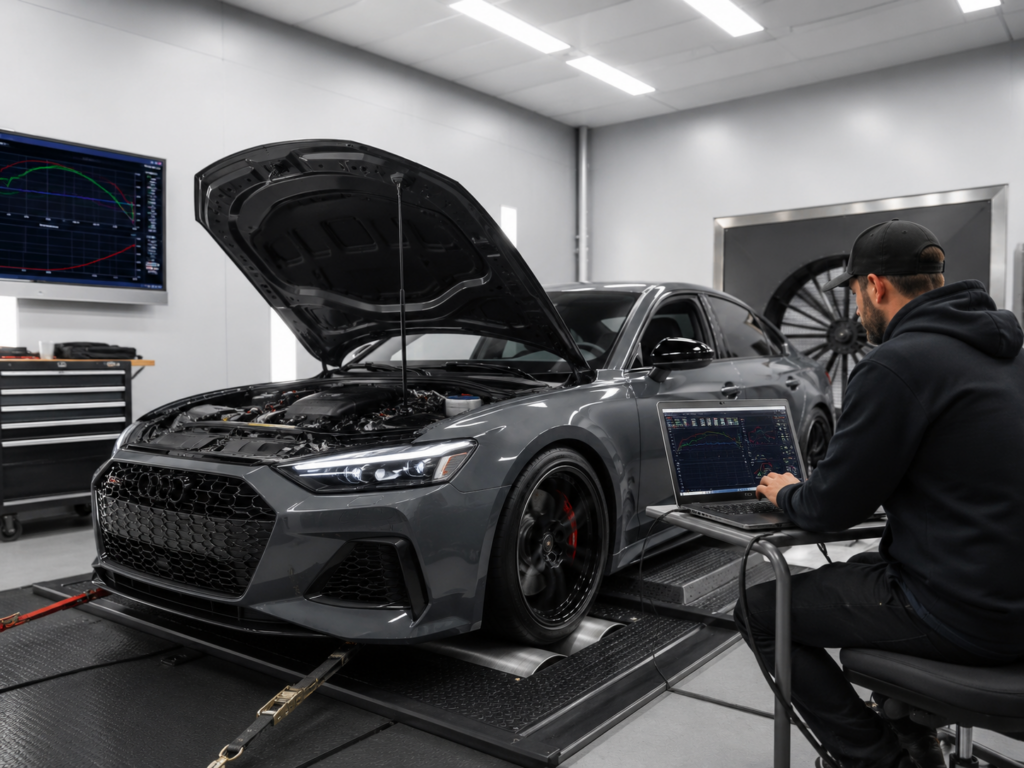
A calibration that performs well at full throttle may still be unsuitable if the vehicle surges, stalls, overheats, or behaves poorly during normal driving.
A competition-focused vehicle may place greater emphasis on:
Different types of motorsport create different requirements.
A drag-oriented vehicle may prioritize launch control, drivetrain strength, and controlled torque delivery. A road-course vehicle may place greater emphasis on cooling, repeatability, braking, and sustained operation. An autocross vehicle may benefit from immediate response and usable low-to-midrange torque.
The vehicle should be calibrated for the environment in which it will operate.
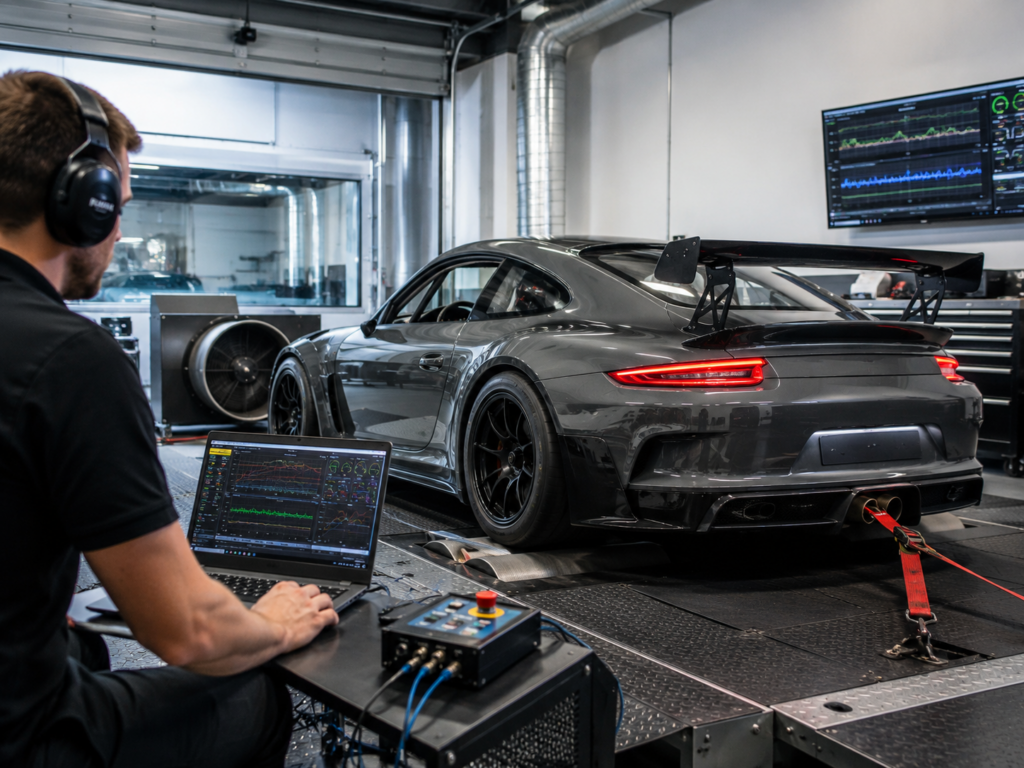
Generic or preconfigured tuning files are commonly developed around a narrow set of assumptions.
Those assumptions may include:
A vehicle that differs from those assumptions may not respond as expected.
A more individualized approach considers the actual vehicle and its current configuration. This does not mean every available parameter should be altered. It means the calibration should reflect the installed hardware, fuel, operating environment, and intended use.
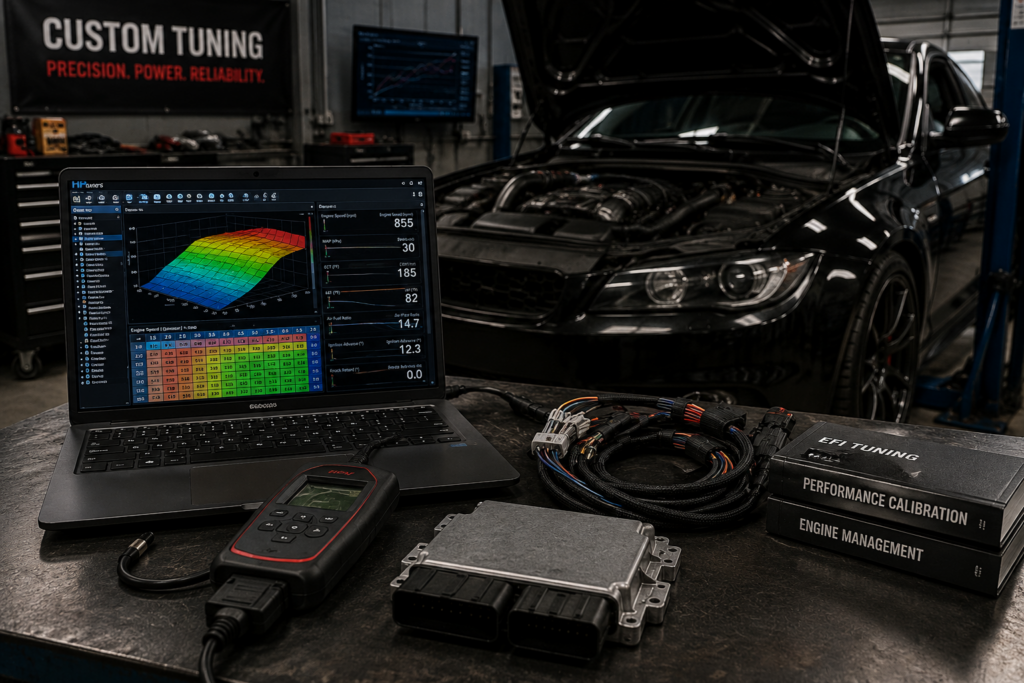
Previously modified vehicles can present additional challenges.
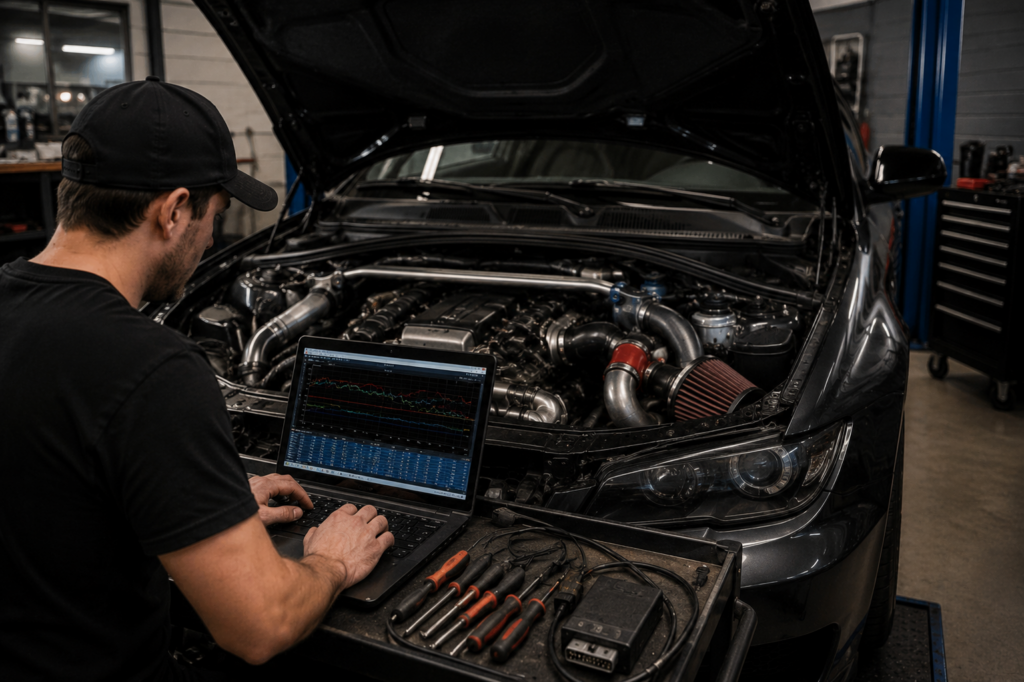
Adding another tune without understanding the existing configuration can make diagnosis more difficult.
Invoices, build sheets, calibration records, parts lists, and previous test results can help establish an accurate starting point.
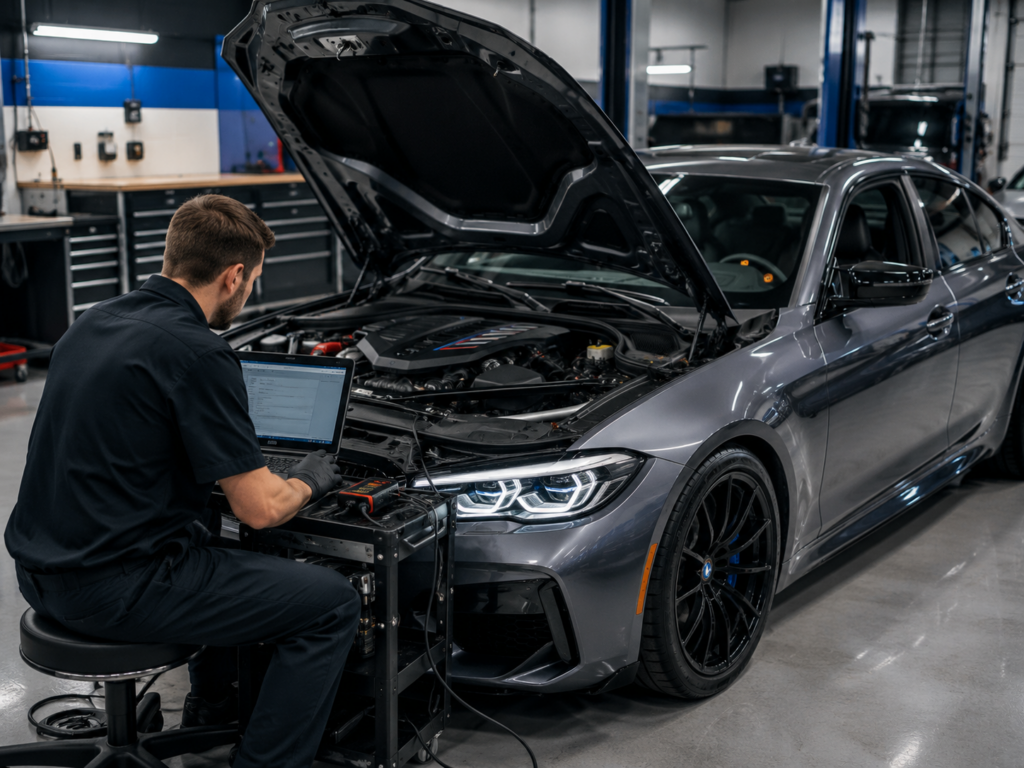
ECU tuning is not a substitute for proper diagnostics.
A check engine light may be caused by:
The cause of the warning should be identified before tuning changes are considered.
Big South Performance does not recommend using calibration changes to conceal a mechanical fault or avoid a necessary repair.
Fuel is a critical part of any performance calibration.
A vehicle tuned for a particular octane level, ethanol content, or race fuel should not be operated with a lower-quality or incompatible fuel.
Fuel considerations may include:
The owner should understand the required fuel before approving a calibration.
Using incompatible fuel may lead to:
| Performance Goal | Supporting Systems to Evaluate |
|---|---|
| Intake and exhaust modifications | Airflow measurement, sensors, fuel control and calibration compatibility |
| Camshaft upgrade | Idle airflow, fuel, ignition, valve timing and drivability |
| Forced induction | Fuel system, intercooling, ignition, cooling, engine strength and drivetrain |
| Increased boost | Fuel quality, heat control, engine condition, transmission and traction |
| Engine conversion | Wiring, ECU, transmission control, cooling fans, gauges and fuel delivery |
| Larger injectors | Injector data, fuel pressure, fuel pump and calibration |
| Ethanol-compatible tuning | Fuel-system materials, injector capacity, pump capacity and ethanol content |
| Track use | Cooling, oil control, brakes, tires, fluids and repeatability |
| Increased torque | Transmission, clutch, driveshaft, differential, axles and tires |
Not every vehicle requires every upgrade listed above. The purpose of an evaluation is to identify what the specific platform and build require.
Big South Performance does not recommend selecting a tune solely by an advertised horsepower increase.
Actual results vary based on:
Two vehicles of the same year and model may produce different results because of their maintenance history, fuel quality, software version, previous modifications, or mechanical condition.
A responsible performance plan should prioritize a compatible combination and usable result rather than an unsupported power guarantee.
Performance tuning does not automatically make a vehicle unreliable. Reliability depends on the complete combination.
Important factors include:
Increasing output may place additional load on the engine and drivetrain.
A conservative calibration cannot guarantee that an older, worn, or overstressed component will not fail. Factory software also cannot prevent failure when mechanical systems are damaged or operated beyond their intended limits.
Owners should understand the fuel requirements, maintenance expectations, operating limits, and potential risks associated with modifying a vehicle.
Performance modifications and ECU tuning must comply with applicable federal, state, and local requirements.
The U.S. Environmental Protection Agency explains that the federal Clean Air Act prohibits tampering with required emissions-control systems and prohibits hardware or software intended to defeat those systems.
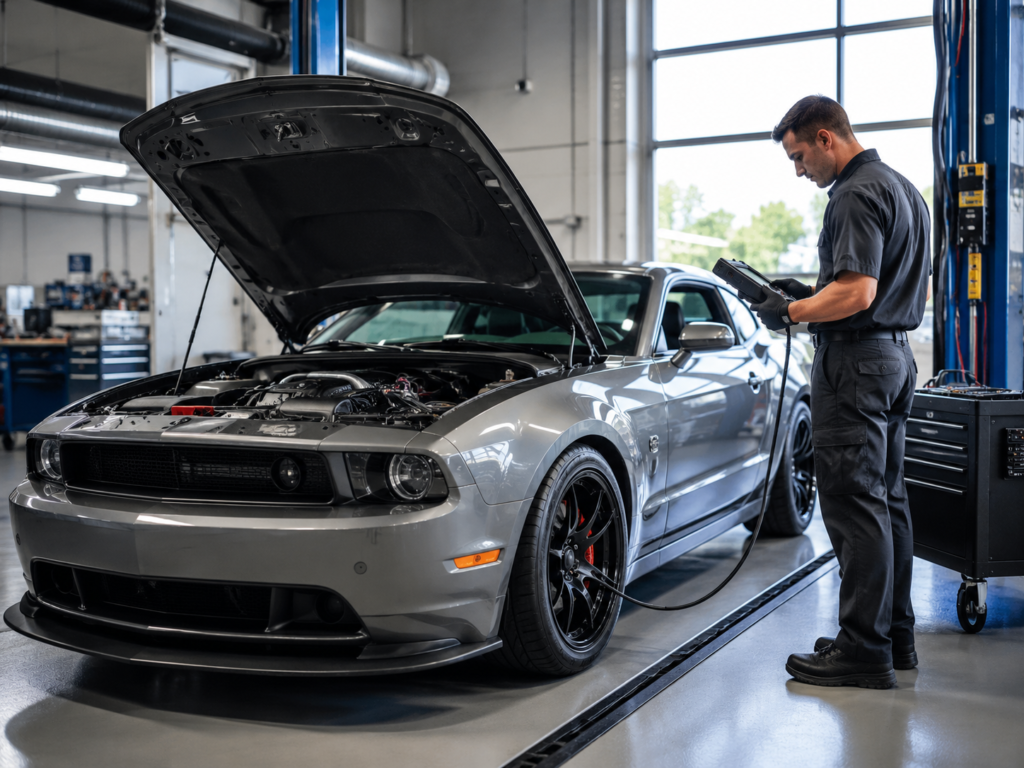
Big South Performance does not recommend treating ECU tuning as a way to conceal a mechanical fault or avoid a required emissions repair.
North Carolina requires eligible vehicles to complete annual safety inspections. Vehicles registered in designated counties may also be subject to emissions-inspection requirements. Current requirements are available through the North Carolina Division of Motor Vehicles:
Regulations can change. Vehicle owners should confirm current requirements before modifying a street-driven vehicle.
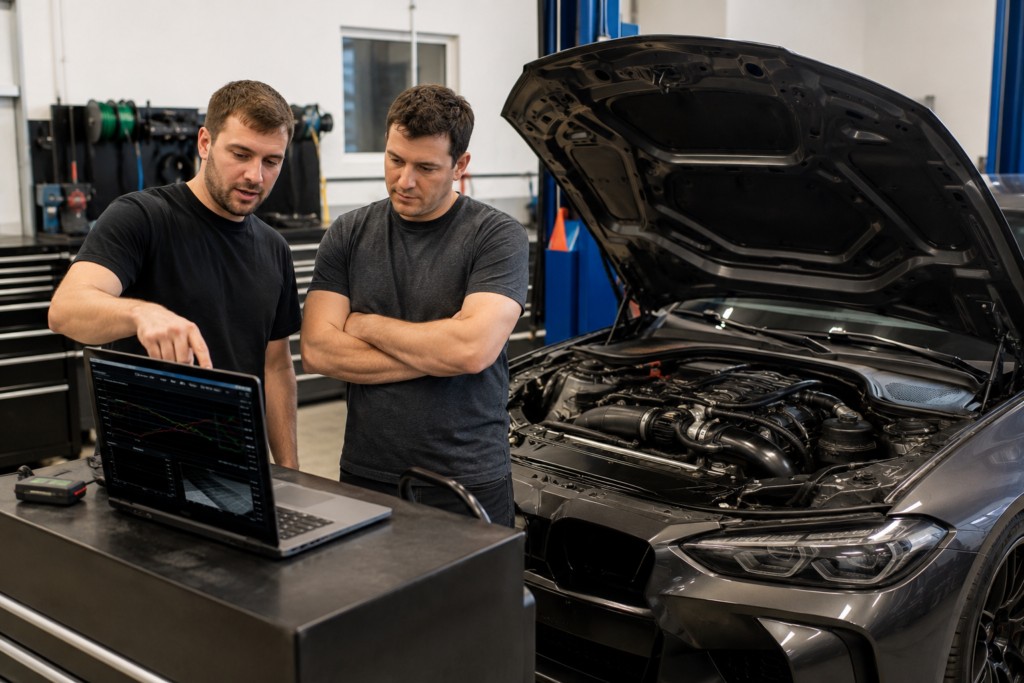
The process begins with information about:
This helps determine whether the vehicle and project appear compatible with Big South Performance’s current capabilities.
The installed components and available records are reviewed.
A modified vehicle should have an accurate parts list. Unknown components or software may require additional evaluation before calibration work can proceed.
Known mechanical, fuel, ignition, electrical, cooling, and drivetrain problems should be addressed before tuning.
Calibration should not be used to work around a failing component.
The tuning direction is based on:
Supported parameters are adjusted and evaluated according to the vehicle and the tuning method available for that platform.
After tuning, the owner should understand:
A vehicle may require another calibration review after changes such as:
A previous tune should not automatically be considered appropriate after major hardware changes.
Contact Big South Performance before modifying a tuned vehicle so the effect on the existing calibration can be evaluated.
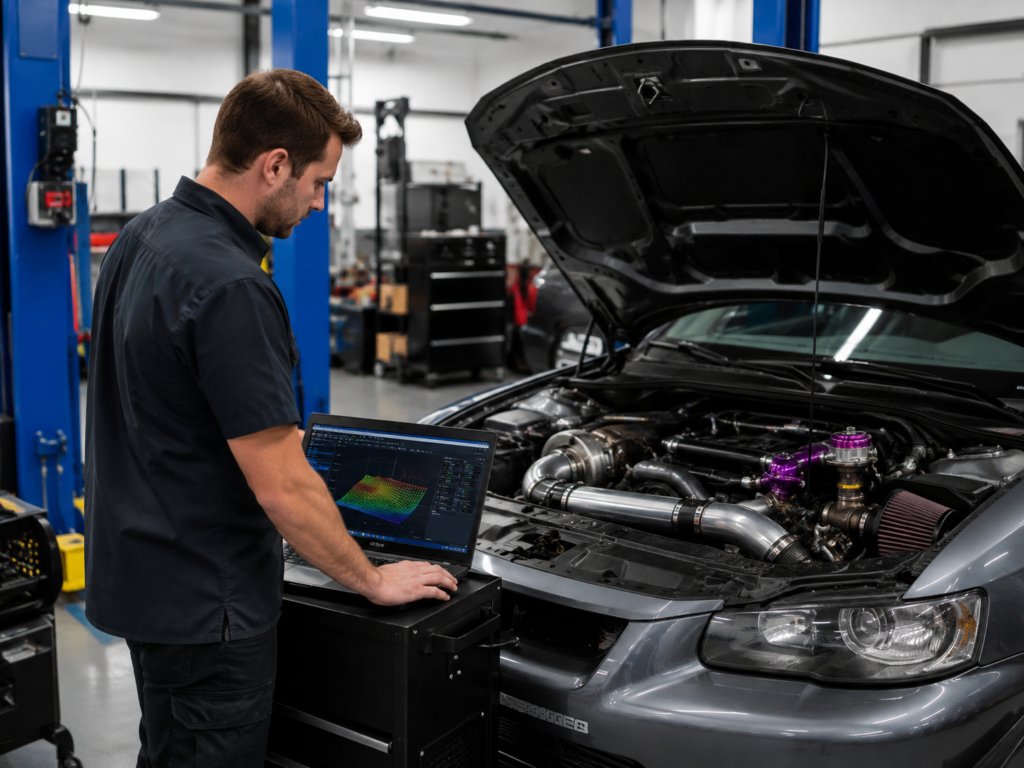
Before requesting tuning, gather:
Before the scheduled service, confirm that the vehicle:
Additional preparation may be required based on the vehicle and project.
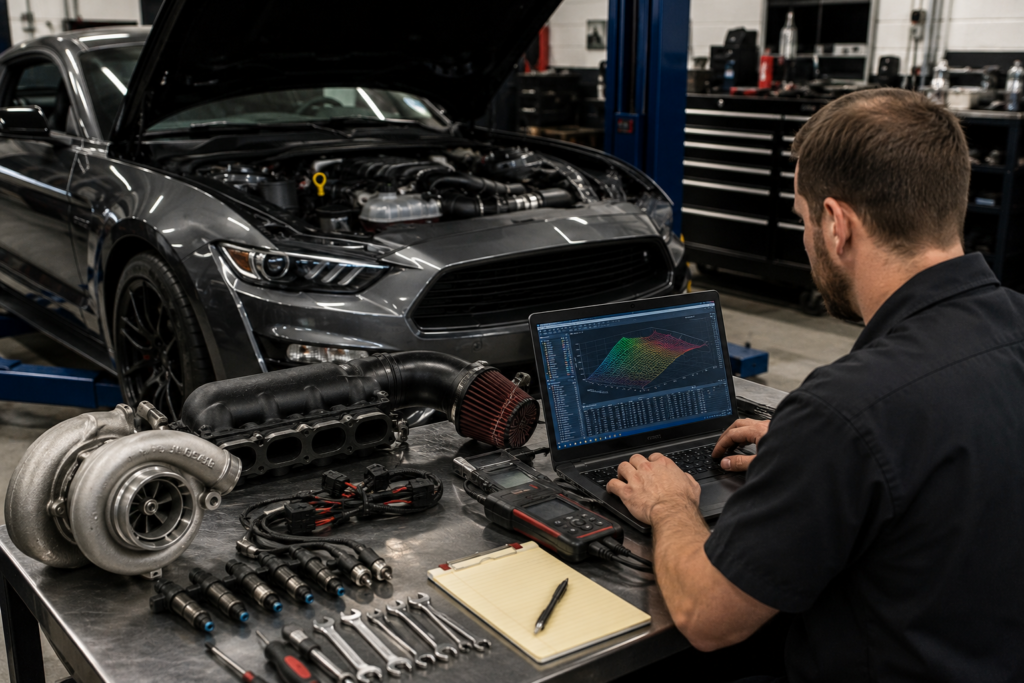

Big South Performance focuses on ECU tuning, performance vehicles, restomods, and motorsport engineering rather than treating calibration as an occasional add-on.
Big South Performance’s verified focus includes high-performance restomods, ECU tuning, and motorsport engineering.
The calibration is considered in relation to the engine, fuel system, cooling, electronics, transmission, drivetrain, and supporting modifications.
The tuning direction should reflect how the vehicle will be used rather than focusing only on an advertised peak-power number.
Big South Performance evaluates compatible vehicles with bolt-on upgrades, engine modifications, powertrain conversions, forced induction, restomod drivetrains, and other performance combinations.
Owners planning future upgrades can benefit from establishing the full build direction before purchasing parts or paying for repeated calibration work.
A strong street-performance result should consider:
Big South Performance serves performance vehicle owners from Winston-Salem and surrounding communities, including:
Owners of modified and specialty vehicles often travel beyond their immediate community to work with a shop that understands ECU calibration, performance modifications, restomod integration, and motorsport-focused development.
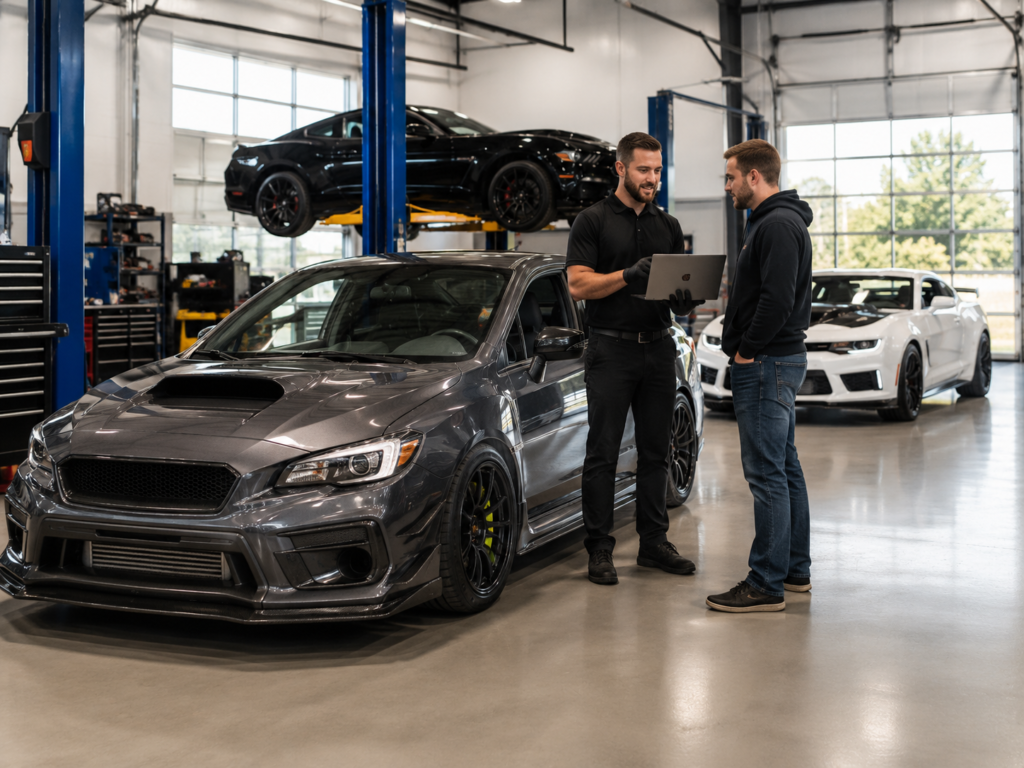
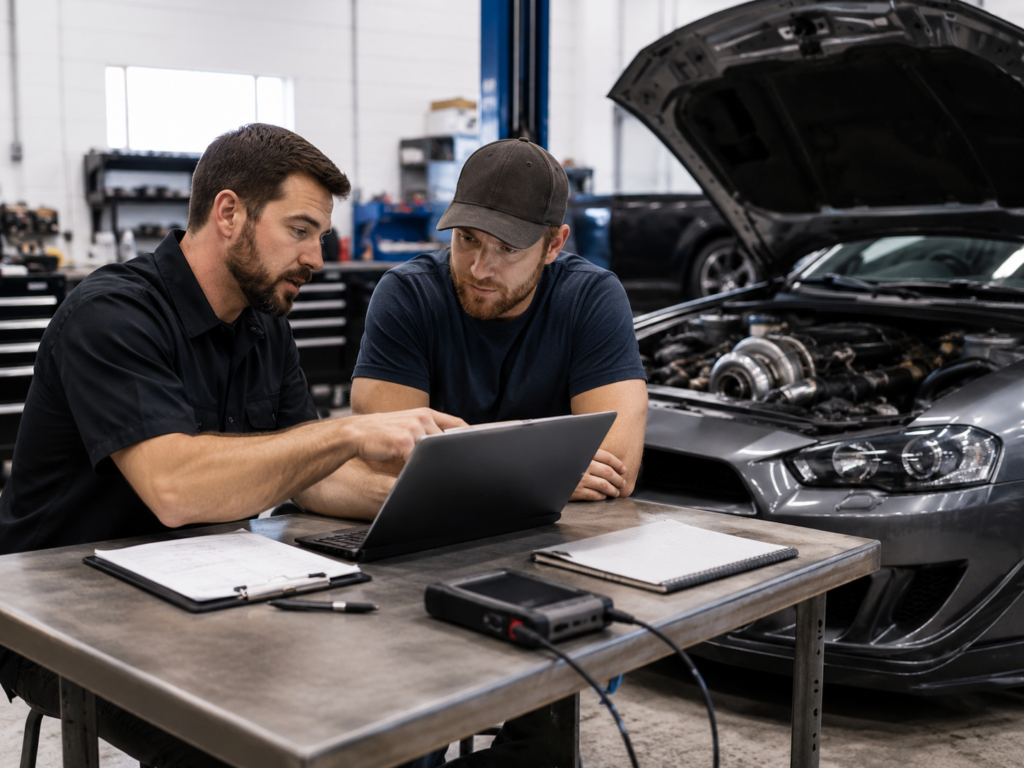
Providing detailed information helps Big South Performance evaluate the project.
Include:
ECU tuning is the process of adjusting supported engine-management parameters to better coordinate the vehicle’s calibration with its hardware, fuel, intended use, and performance goals.
Tuning may improve horsepower or torque on compatible vehicles. Results depend on the engine platform, fuel, mechanical condition, modifications, calibration access, and original factory configuration.
Some intake systems can operate with the factory calibration. Others may change airflow measurement enough to require or benefit from tuning. The answer depends on the vehicle, intake design, sensor configuration, and other modifications.
Headers may change airflow and exhaust behavior. Whether tuning is required depends on the vehicle, header design, sensor placement, ECU strategy, and complete modification combination.
Many modern vehicles require calibration after a significant camshaft change. Idle airflow, fueling, ignition, variable valve timing, torque management, and other functions may need adjustment.
Forced-induction installations generally require calibration matched to the engine, boost system, fuel delivery, ignition, cooling, and supporting modifications.
Tuning may improve operation when the calibration does not match compatible modifications. It cannot repair worn engine components, fuel-system failures, ignition problems, vacuum leaks, damaged sensors, overheating, or wiring faults.
A previously modified vehicle may be evaluated. Its components, software, wiring, tuning platform, and mechanical condition must first be understood. Owners should provide all available records and an accurate modification list.
A diagnostic warning caused by a mechanical, electrical, emissions, or sensor problem should be properly diagnosed. Tuning should not be used to conceal an unresolved fault.
Yes, when the vehicle and platform are compatible. A daily-driver calibration should account for cold starts, part-throttle behavior, fuel availability, cooling, traffic, weather, comfort, and maintenance.
Use the fuel specified for the calibration. A vehicle tuned for a particular octane level, ethanol content, or race fuel should not be operated with incompatible fuel.
Possibly. Major changes to airflow, fuel delivery, boost, camshaft specifications, engine displacement, injectors, power adders, or fuel type may require recalibration.
No performance shop can responsibly guarantee support for every vehicle, ECU, engine, or software version. Compatibility depends on the platform, available tuning access, installed components, and requested work.
ECU tuning must comply with applicable federal, state, and local requirements. Federal law prohibits tampering with required emissions controls or installing software intended to defeat those systems.
Provide the vehicle year, make, model, engine, transmission, mileage, modifications, fuel, current calibration, diagnostic codes, intended use, desired result, and future plans.
A successful calibration begins with accurate information, compatible parts, and a mechanically sound vehicle.
Contact Big South Performance to discuss your vehicle, installed modifications, current calibration, fuel requirements, intended use, and performance goals.
Tell us what you drive, what has already been changed, how you plan to use the vehicle, and what you want to accomplish.
Big South Performance provides ECU tuning in Winston-Salem, NC for compatible street, restomod, and motorsport vehicles.