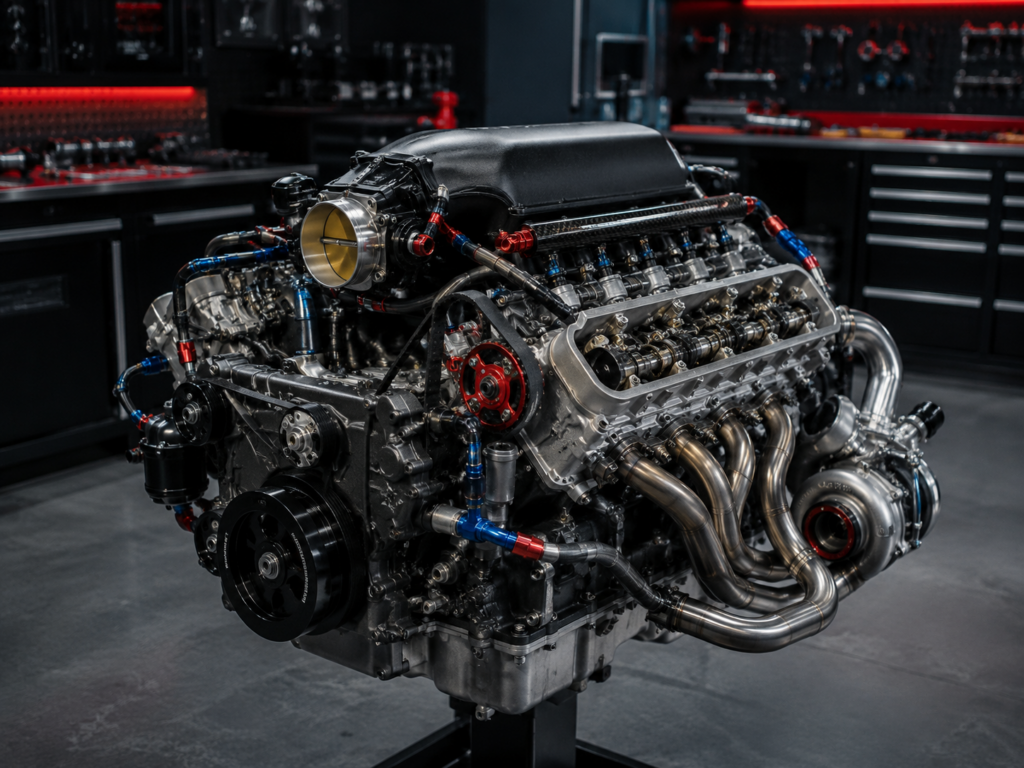
There’s a big difference between bolting performance parts onto a stock engine and building one from the ground up. A custom performance engine build is about choosing every major internal component with a specific power goal, driving style, and reliability target in mind — which means a lot of decisions have to be made correctly before the engine ever turns over.
It Starts With the Rotating Assembly
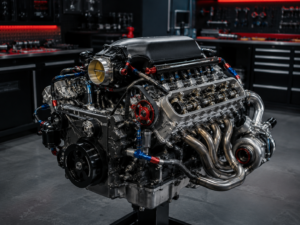
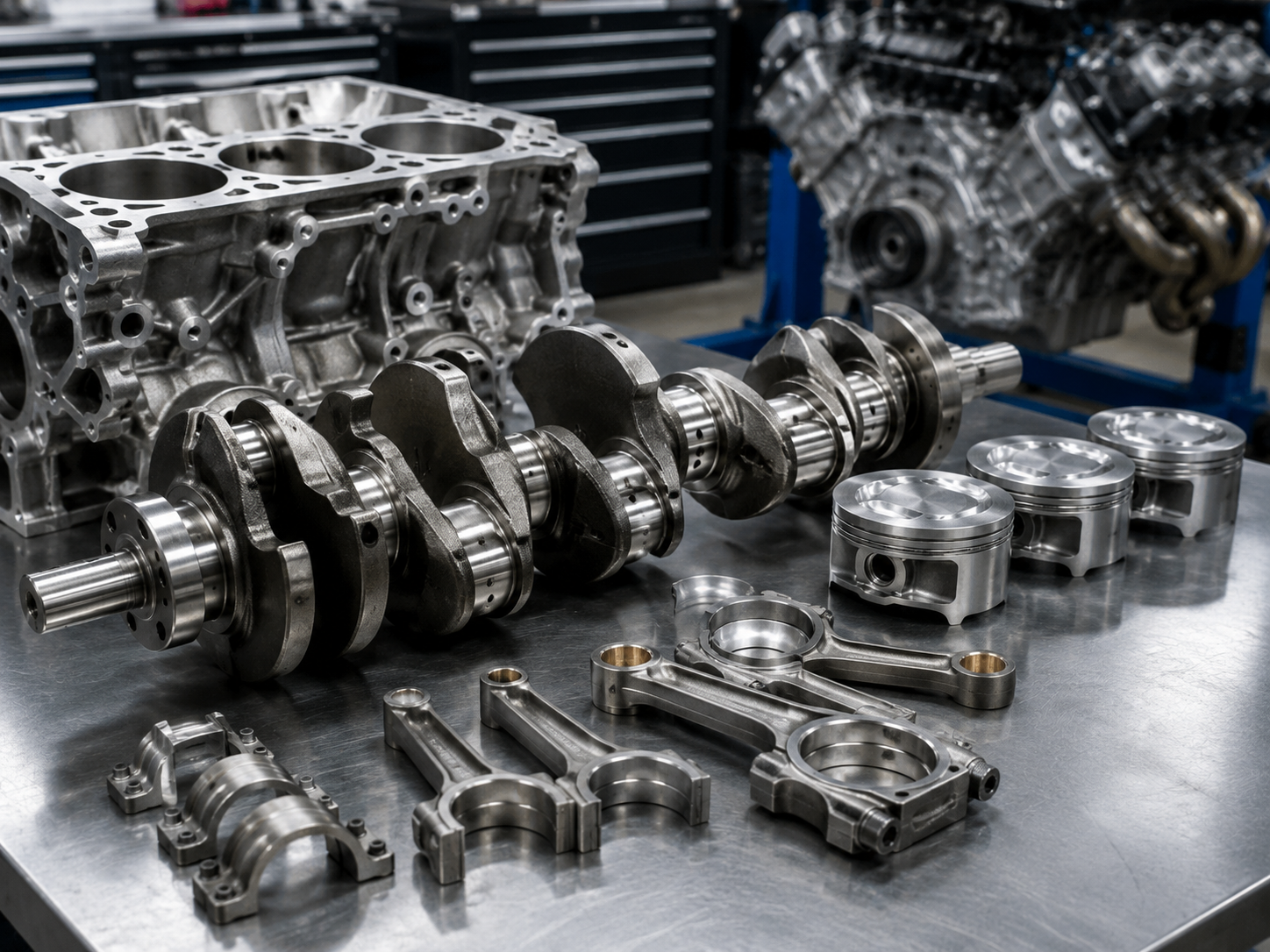
The rotating assembly — the crankshaft, connecting rods, and pistons — is the foundation of any custom build, and it’s where power goals and budget usually get decided first. A street-driven build that sees occasional spirited driving has very different rotating assembly needs than a motorsport-focused engine expected to hold up to repeated high-RPM abuse. Choosing components that are either under-built for the power goal or unnecessarily expensive for the intended use are two of the most common mistakes we help customers avoid.
Supporting Systems Matter Just as Much
A strong bottom end doesn’t mean much if the systems supporting it can’t keep up. Oil control and lubrication upgrades keep the rotating assembly fed under hard use, especially at sustained high RPM. Cooling and heat management components prevent the kind of heat soak that quietly kills horsepower and, eventually, engine parts. Cylinder head airflow is another major factor — how efficiently air moves in and exhaust moves out has a direct impact on how much power the rest of the build can actually make.
Camshaft and valvetrain selection ties all of this together, since the cam profile determines the engine’s power band and how it responds across the RPM range. A cam chosen for high-RPM track use will feel completely different — and may not be drivable at all — in a car meant for daily street use.
Fuel, Exhaust, and ECU Calibration Complete the Build
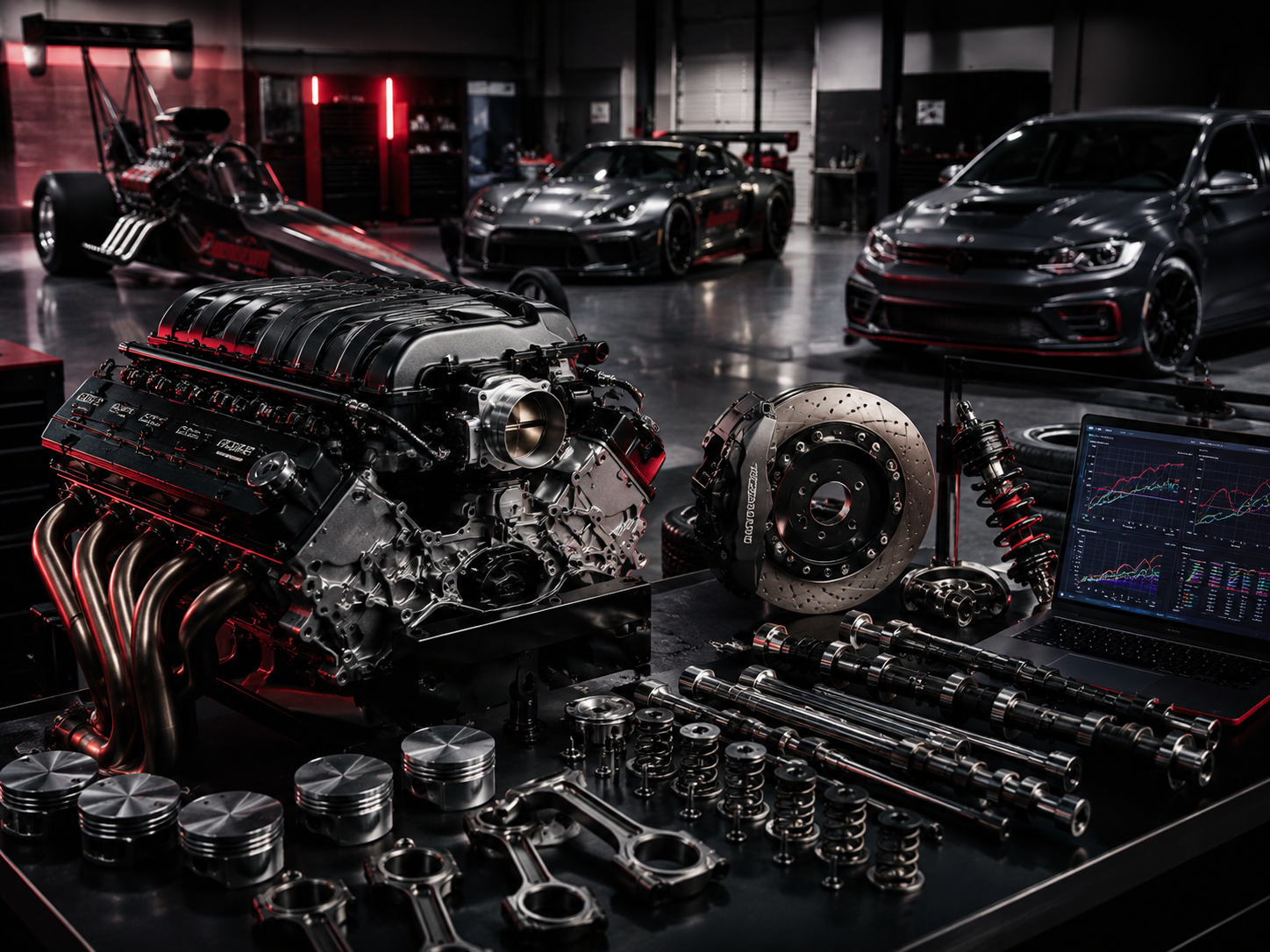
None of the internal work matters if the fuel and exhaust systems can’t support the engine’s new airflow and power output, or if the ECU isn’t calibrated to match the actual combination sitting in the car. This is where a lot of otherwise well-built engines fall short — the internals are right, but the supporting systems and tune weren’t matched to them.
Building Around Your Goals, Not a Generic Package
A good custom engine build starts with an honest conversation: how will the vehicle actually be driven, what’s the power target, and what’s the budget for both the engine and everything that has to support it. From there, every component — rotating assembly, valvetrain, cooling, fuel, and calibration — gets selected to work together as one system, not as a collection of upgraded parts.
If you’re considering a custom performance engine build, get in touch with Big South Performance in Winston-Salem to talk through your goals and what it would take to build an engine around them.