
Bolt-on performance parts are usually the first upgrade path people take, and for good reason — a cold air intake, exhaust system, or intercooler can make a real difference without the cost of an engine build. But “bolt-on” doesn’t always mean “simple,” and how a part is installed matters just as much as which part you buy.
What Counts as a Bolt-On Upgrade
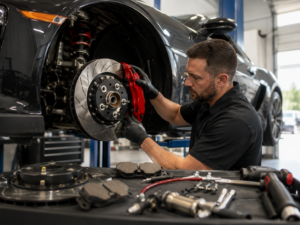
Bolt-on upgrades typically include intake and exhaust systems, intercoolers, upgraded brakes, suspension components, and other parts designed to install on an otherwise stock vehicle without major fabrication. They’re popular because they offer a real, noticeable improvement in sound, response, or handling for a manageable cost.
Why Installation Quality Matters
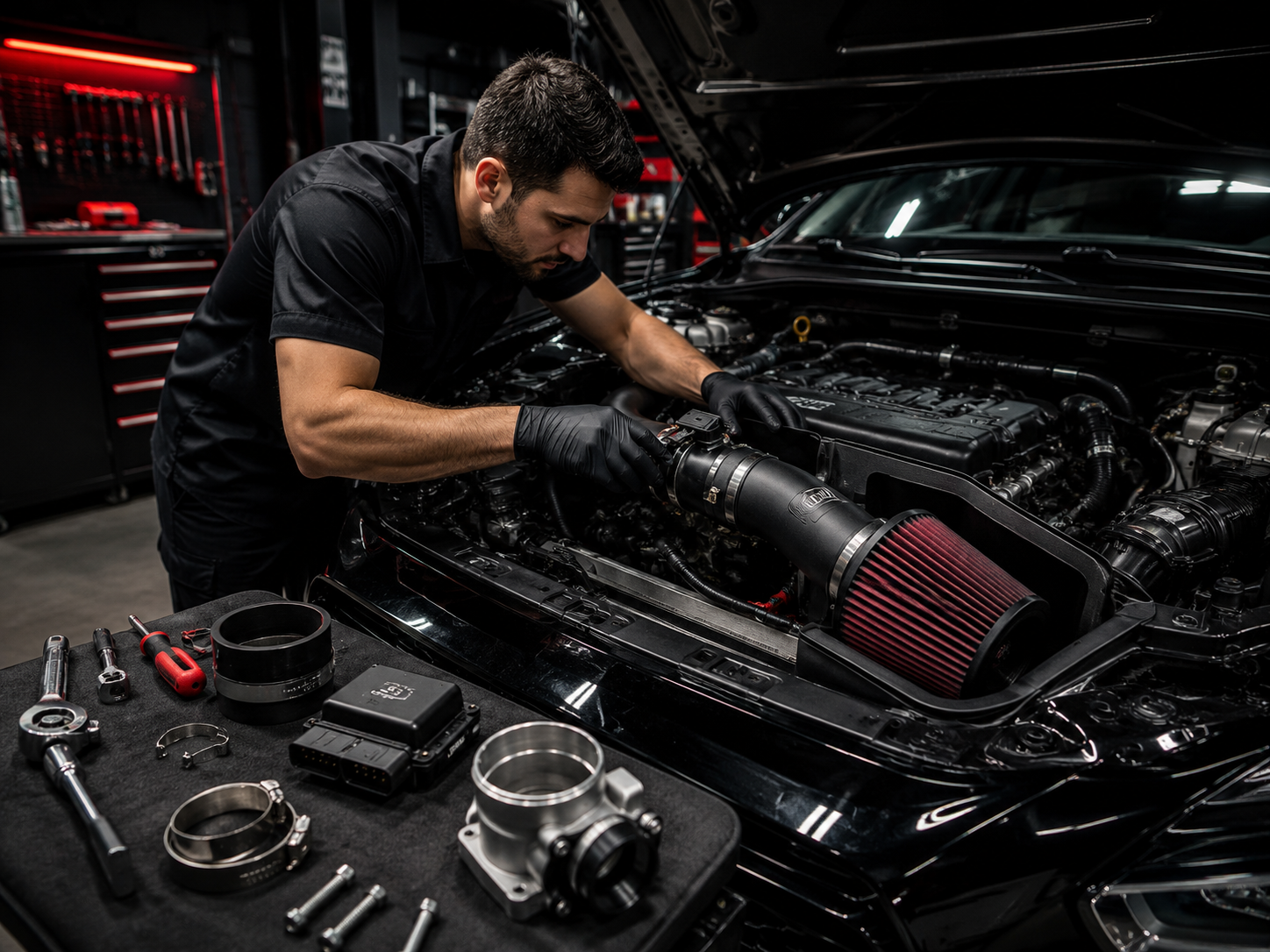
Even a straightforward part like a cold air intake can cause problems if it’s installed incorrectly — a loose clamp, an improperly seated filter, or a heat shield left out can let unfiltered or overly hot air into the engine, which does more harm than the upgrade was meant to help. Exhaust work has its own risks: improper fitment can create leaks, rattles, or clearance issues with the chassis and heat shields.
This is where a lot of DIY installs go sideways. The part itself is rarely the problem — it’s fitment, torque specs, and making sure every connection is sealed and secured the way the manufacturer intended.
Know What Needs a Tune Afterward
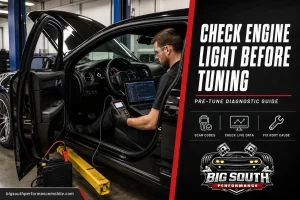
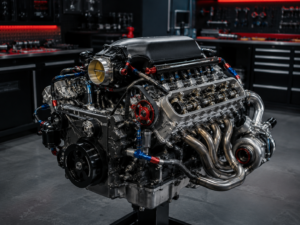
Some bolt-on parts change how much air or fuel the engine sees, which means the ECU may need to be recalibrated to get the full benefit — or in some cases, just to run correctly at all. Intakes, exhausts, and forced induction components are the most common culprits. Skipping this step doesn’t just leave power on the table; it can also trigger check engine lights or create a lean condition that stresses the engine.
Customer-Supplied Parts
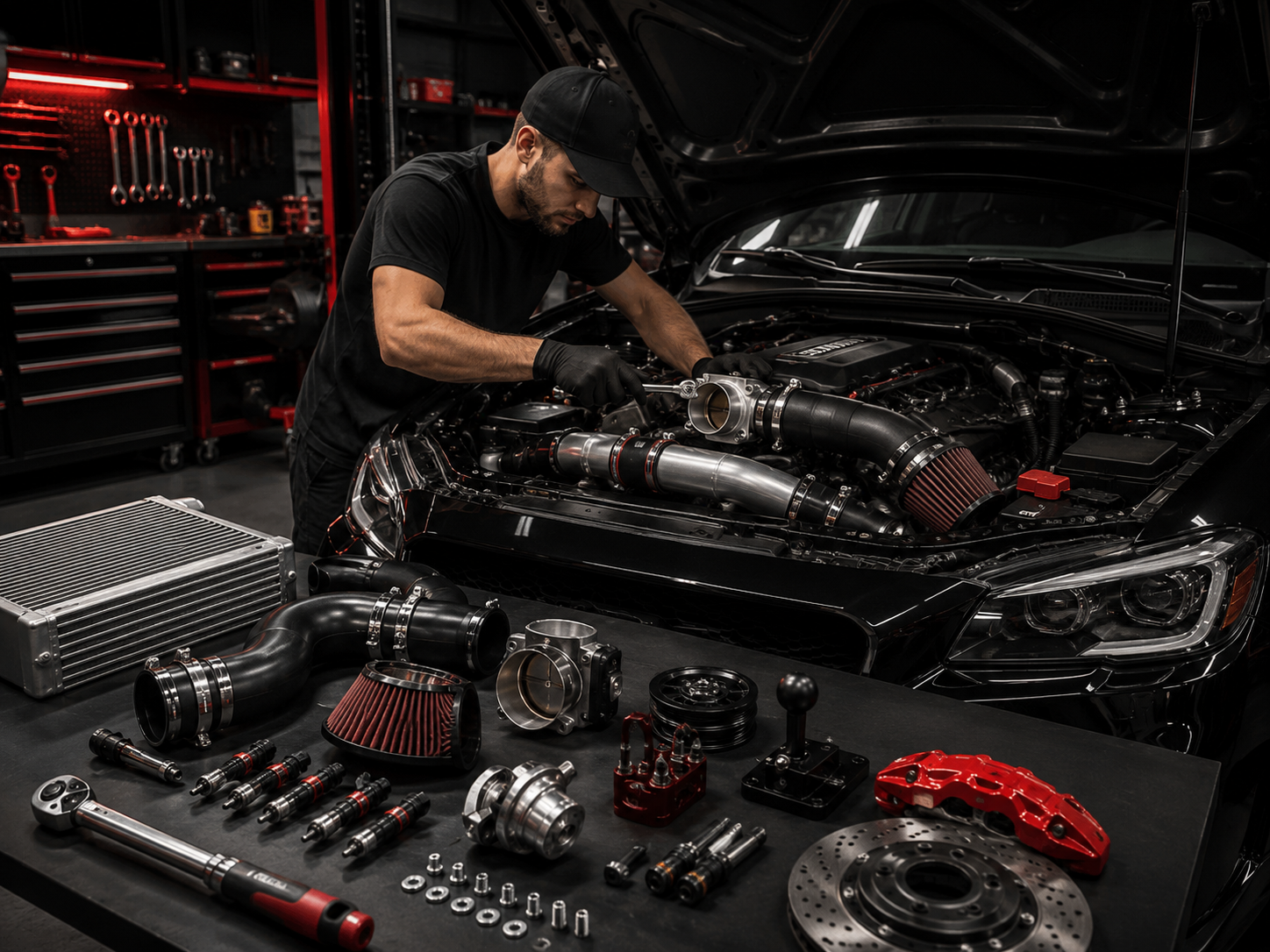
We regularly install parts customers have sourced themselves, whether from an online retailer or a private sale. Before any customer-supplied part goes on the car, it’s worth having it inspected — fitment issues, missing hardware, and even counterfeit parts are more common than people expect, and catching that before installation saves time and money compared to catching it halfway through the job.
What Affects Installation Cost
Installation cost depends on a few factors: how invasive the part is to install, whether it requires fabrication or clearance work, whether a tune is needed afterward, and how accessible the vehicle’s engine bay or undercarriage is. A straightforward intake swap is a very different job from a full exhaust system or a suspension upgrade that touches alignment.
Get It Installed Right the First Time
Whether you’ve already got parts in hand or you’re still deciding what to buy, it’s worth talking through the install and any tuning needs before work begins. Contact Big South Performance in Winston-Salem to get your upgrades installed correctly and, if needed, calibrated to match.