Big South Performance provides custom performance engine build planning, component integration, and motorsport-focused development for compatible vehicles in Winston-Salem, Forsyth County, and the surrounding Piedmont Triad.
A performance engine is more than a collection of high-end parts. The rotating assembly, compression ratio, cylinder heads, camshaft, induction system, fuel delivery, ignition, lubrication, cooling, exhaust, engine management, transmission, and drivetrain must support the same performance objective.
Big South Performance approaches performance engine development as a complete system. We consider how the vehicle will be driven, the desired powerband, the intended fuel, the current engine platform, the supporting systems, and the owner’s long-term plans before recommending a build direction.
Whether you are planning a responsive street engine, a forced-induction-ready combination, a restomod powertrain, or a motorsport-focused build, the project should begin with a clear objective and a realistic assessment of the complete vehicle.
Contact Big South Performance to discuss your vehicle, engine platform, current modifications, intended use, and performance goals.
There is no single engine combination that is right for every performance vehicle.
A street-driven restomod may need immediate throttle response, a broad torque curve, reliable cooling, manageable noise, and smooth low-speed operation. A drag-oriented vehicle may prioritize launch torque, high-load durability, and drivetrain strength. A road-course vehicle may need sustained oil control, heat management, repeatable power, and reliable operation over extended sessions.
Big South Performance evaluates the engine as part of the entire vehicle rather than selecting parts solely from advertised horsepower claims.
A custom performance engine build is an engine combination designed around a defined use, output target, operating range, fuel, and vehicle platform.
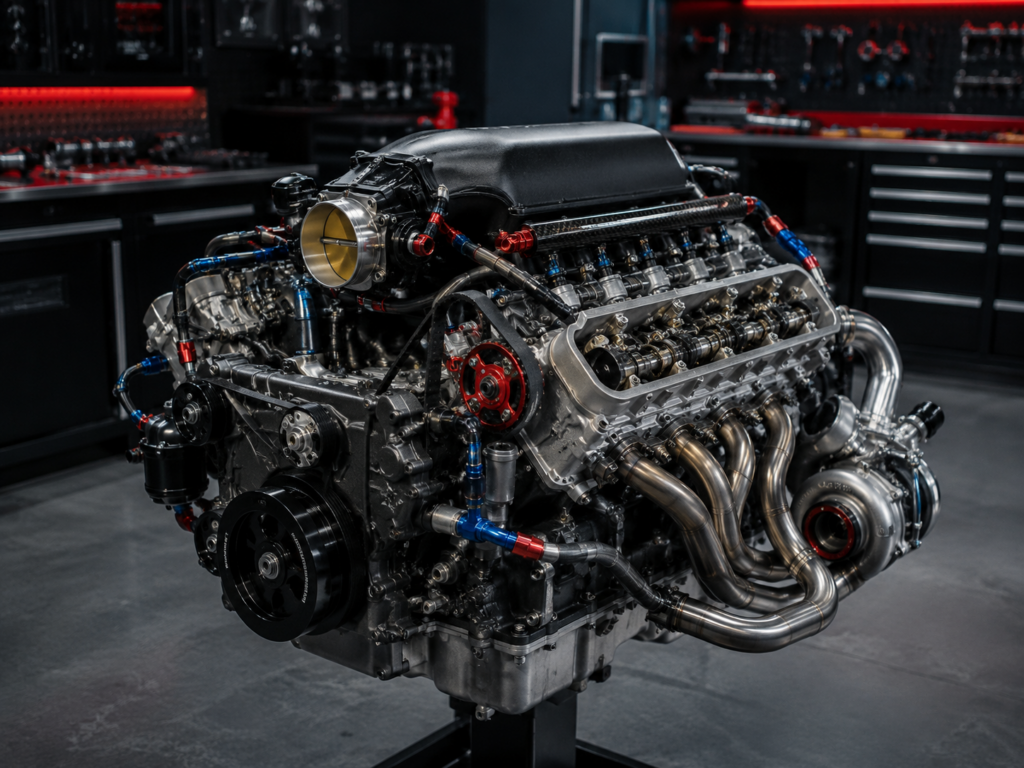
Unlike a factory replacement engine, a performance engine may use upgraded or differently specified components to improve:
A properly planned build may involve changes to:
Not every engine requires every modification. Components should be selected according to the actual goal rather than added simply because they are marketed as performance parts.
A street performance engine must operate well beyond full-throttle acceleration.
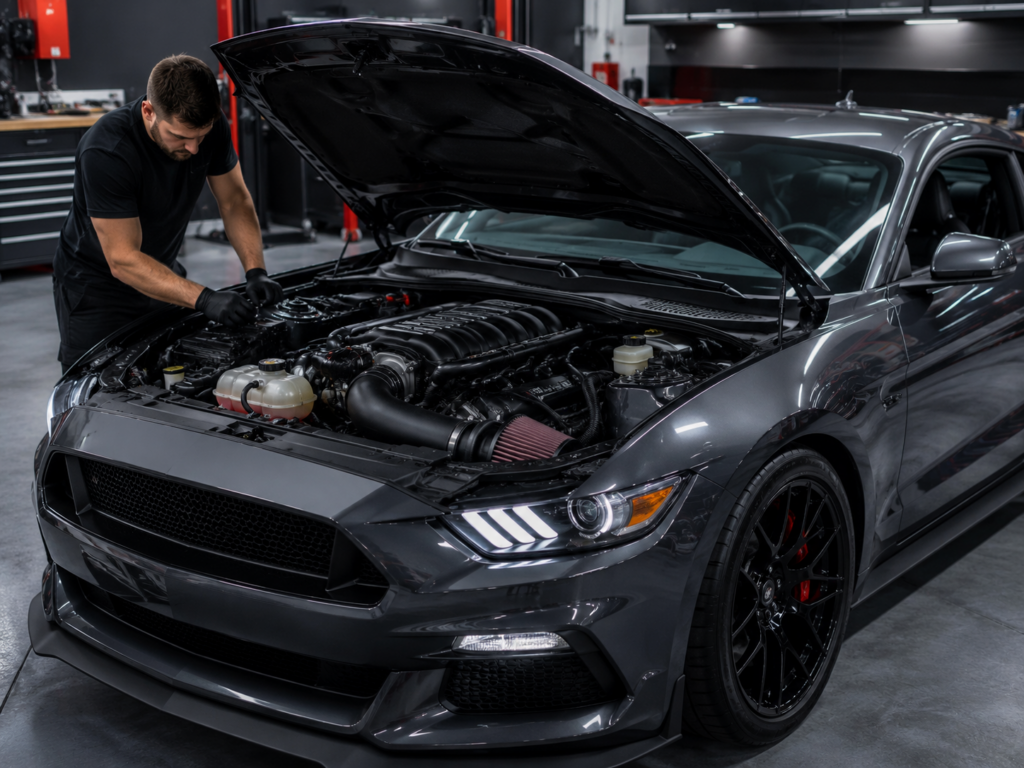
It may need to handle:
For a street-driven vehicle, the most enjoyable engine is often the one that produces broad, usable torque and predictable response rather than the highest possible peak output.
Street-engine planning may prioritize:
An aggressive race-oriented combination may produce impressive peak numbers while creating compromises in idle quality, low-speed response, fuel availability, maintenance, or everyday drivability.
Big South Performance considers how often and where the vehicle will be driven before recommending a street-performance engine strategy.
Motorsport vehicles operate under conditions that may be significantly more demanding than ordinary street use.
Depending on the discipline, a competition engine may face:
Different forms of motorsport place different demands on an engine.
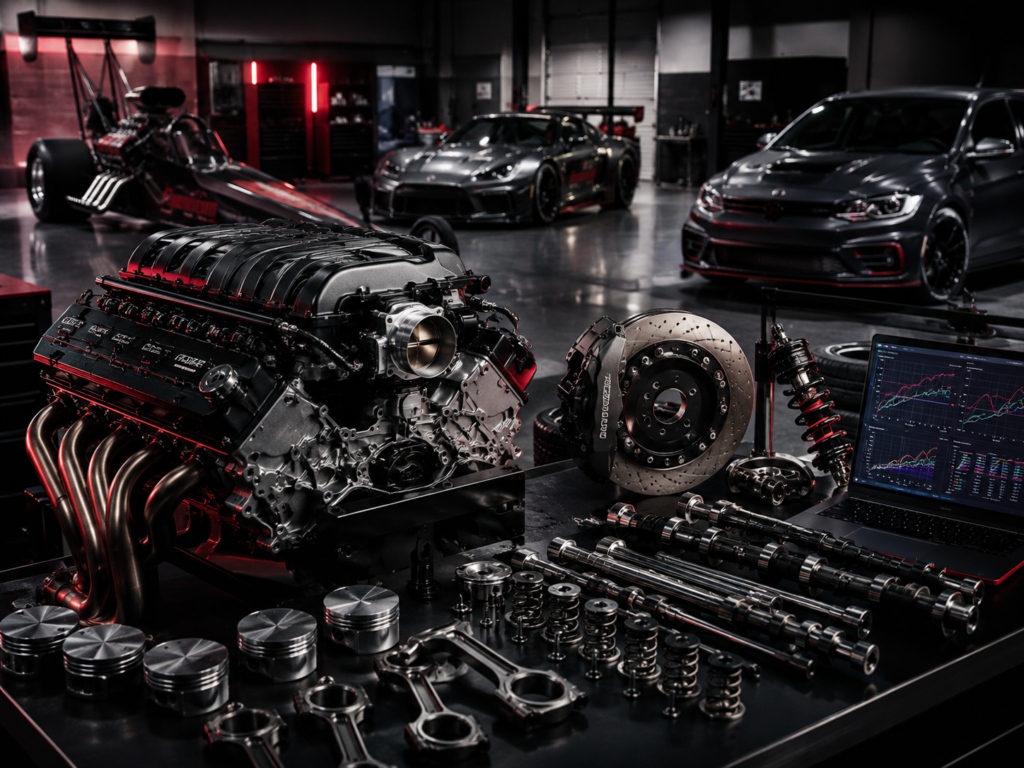
A drag-oriented combination may prioritize:
A road-course engine may require:
An autocross vehicle may benefit from:
A dual-purpose engine requires careful compromise.
The combination must support performance use without making normal street operation unnecessarily difficult. Fuel availability, idle quality, cooling, maintenance, noise, and component life remain important.
Naturally aspirated engines rely on atmospheric pressure and effective airflow to fill the cylinders.
Performance gains may come from improving:
A naturally aspirated combination may include:
These components must be selected to operate within the same RPM range and performance objective.
For example, a large intake manifold, aggressive camshaft, and oversized cylinder-head ports may reduce low-speed response if they are poorly matched to the engine displacement, compression, gearing, and vehicle use.
A successful naturally aspirated engine is a coordinated airflow system—not simply an assortment of large components.
Turbochargers and superchargers increase the amount of air entering the engine. This can produce substantial output, but it also increases cylinder pressure, heat, fuel demand, and stress on internal components.
A forced-induction-ready engine may require consideration of:
The correct combination depends on:
Lower compression is not automatically the correct answer for every forced-induction build. Modern engine design, fuel quality, combustion-chamber efficiency, boost strategy, and electronic control all influence the appropriate specification.
The engine, power adder, fuel system, intercooling, exhaust, and calibration must be planned together.
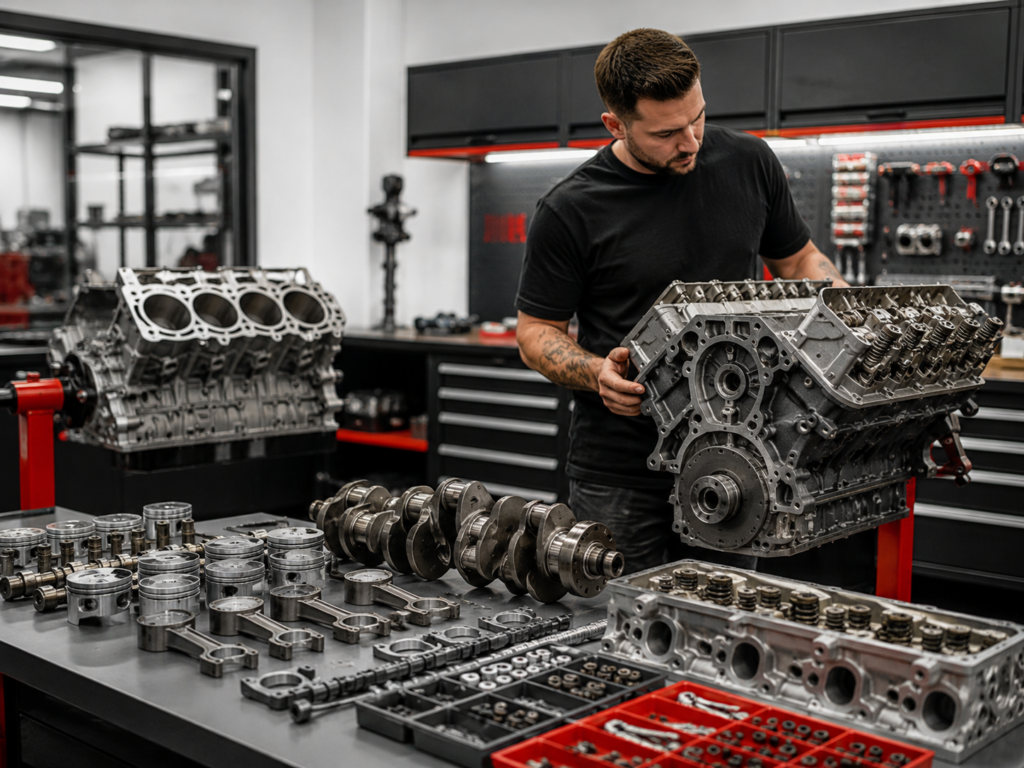
Performance engine terminology can be confusing for owners beginning a build.
Big South Performance recommends defining the complete scope before parts are ordered. This reduces uncertainty about which components, assembly work, installation tasks, and supporting systems remain the owner’s responsibility.
A short block generally includes the lower portion of the engine, such as:
The exact included components can vary by builder or supplier.
A performance short block may be appropriate when the owner already has compatible cylinder heads, valvetrain components, induction parts, and supporting systems.
A long block generally adds major upper-engine components, including:
Definitions still vary, so the exact included parts and assembly level should always be documented.
The engine block provides the foundation for the entire combination.
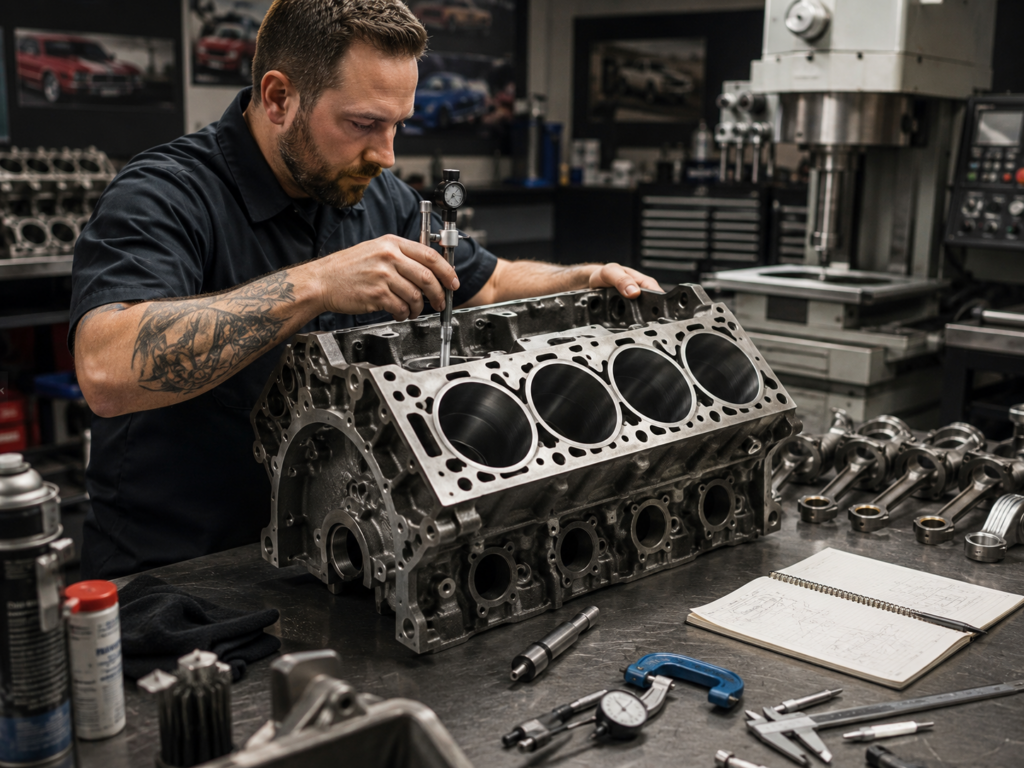
Important considerations may include:
A factory block may be appropriate for some combinations. Higher-output or more demanding applications may require additional preparation or a stronger foundation.
Block preparation may involve specialist inspection or machining such as:
The required work depends on the block, engine platform, current condition, components, and intended application.
Big South Performance does not assume that a used engine block is ready for performance assembly simply because no obvious damage is visible.
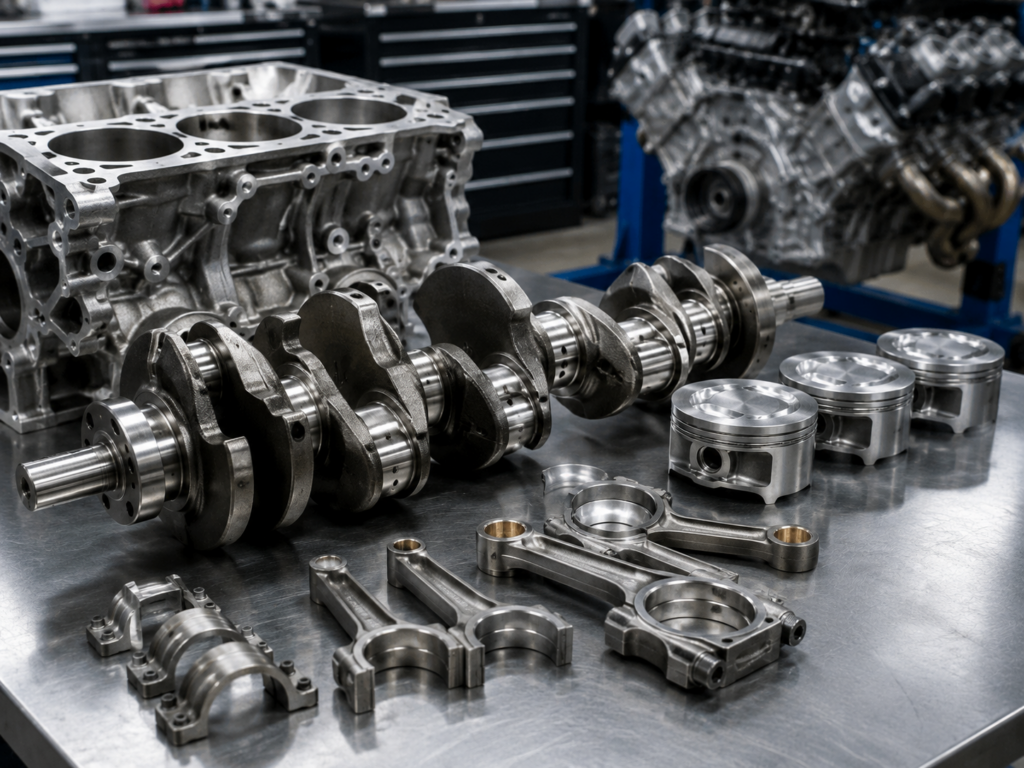
The rotating assembly typically includes the crankshaft, connecting rods, pistons, pins, rings, bearings, and related hardware.
These components must work together within the intended:
Crankshaft selection may be influenced by:
Piston design may influence:
Connecting rods must withstand tensile and compressive loads that increase with engine speed, piston weight, cylinder pressure, and boost.
Rod selection should consider more than a published horsepower rating.
Bearing selection and operating clearance affect oil pressure, lubrication, heat, and component life.
Clearances should be established for the engine design, oil, intended use, temperatures, and expected load—not selected from a universal performance formula.
Compression ratio affects engine efficiency, torque, combustion behavior, fuel requirements, and tuning flexibility.
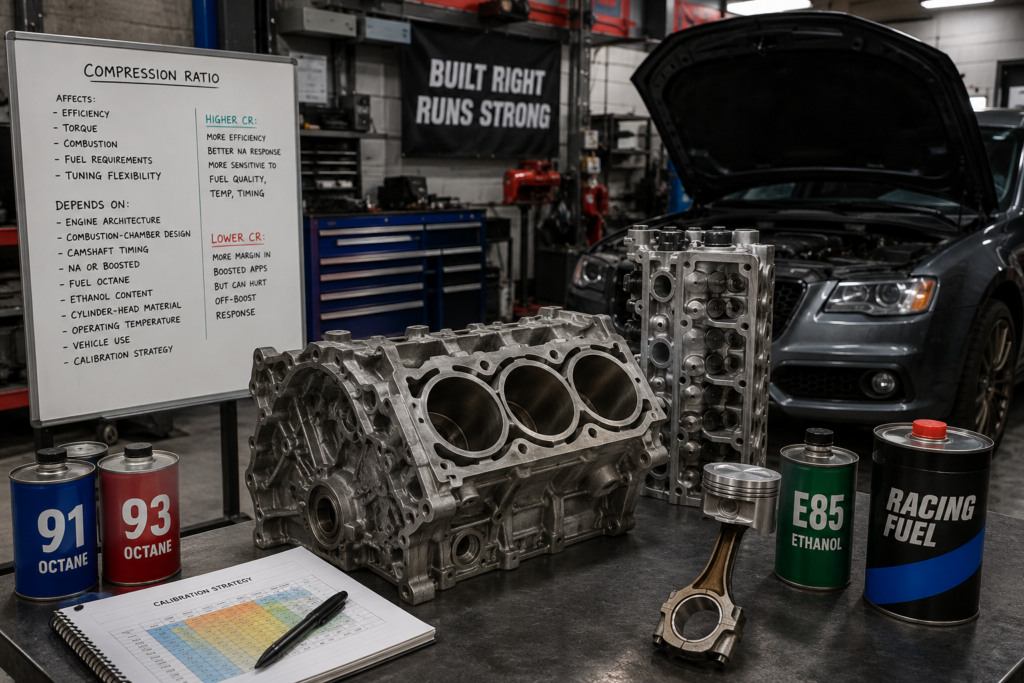
The appropriate ratio depends on:
A higher compression ratio may improve naturally aspirated response and efficiency, but it can also increase sensitivity to fuel quality, temperature, and ignition timing.
A lower ratio may offer additional margin in certain boosted applications, but reducing compression excessively can weaken off-boost response and overall drivability.
Compression should be selected as part of the complete engine combination.
Owners must also understand the fuel required after the build. An engine designed around a particular octane level, ethanol blend, or racing fuel should not be operated with incompatible fuel.
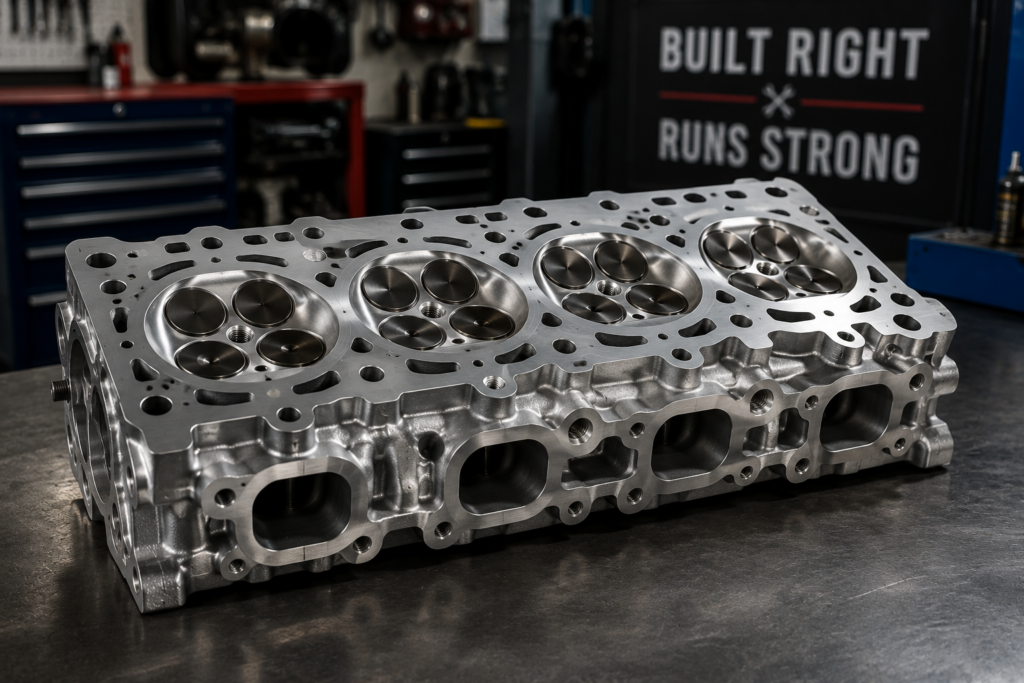
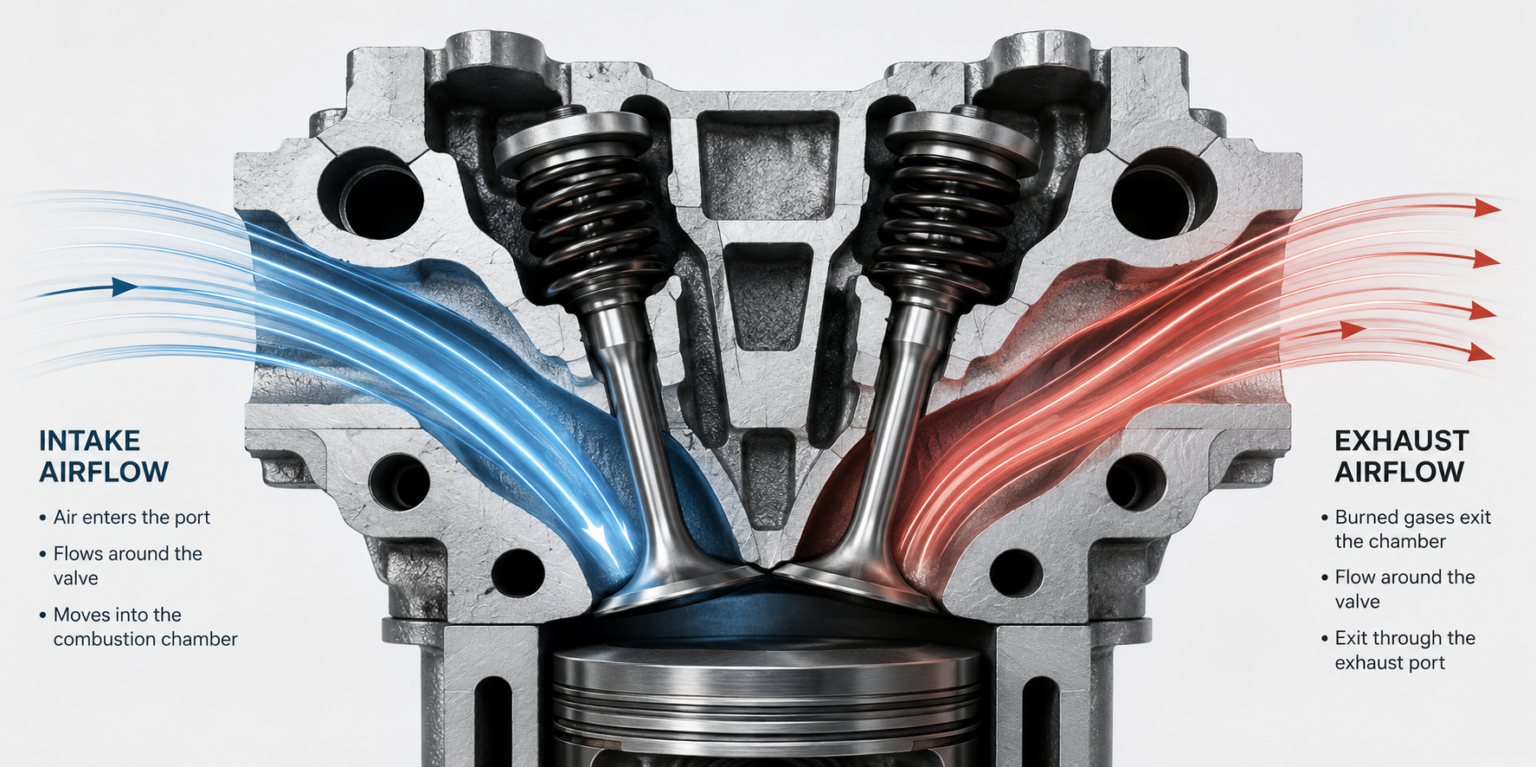
Cylinder heads influence how effectively air enters and exits the engine.
Performance considerations may include:
The largest port or highest published flow number is not automatically the best choice.
An oversized cylinder head may reduce air speed and response in an engine designed for lower RPM or street use. A smaller, well-matched head may produce stronger usable torque and better drivability.
The appropriate ratio depends on
The camshaft helps determine when and how far the valves open.
It has a major influence on:
Camshaft selection should account for
A camshaft selected primarily for an aggressive sound may not support the owner’s actual performance objective.
The valvetrain may also require:
Valvetrain stability becomes increasingly important as engine speed, spring pressure, and camshaft aggressiveness increase.
The induction system must support the engine’s displacement, airflow needs, operating range, and intended use.
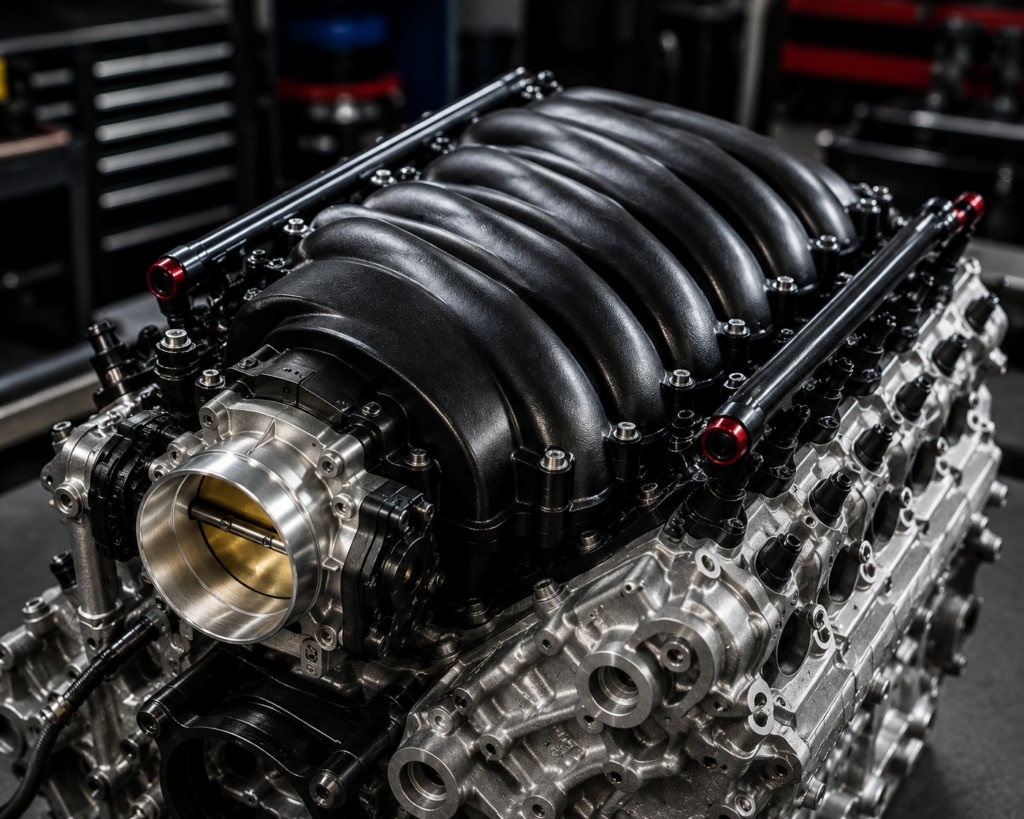
Considerations may include:
A component that performs well at high RPM may sacrifice low-speed response. A long-runner intake may improve torque lower in the RPM range but restrict a high-RPM combination.
The induction system should be selected to support the desired powerband rather than simply maximizing component size.
A performance engine cannot operate safely without adequate fuel delivery.
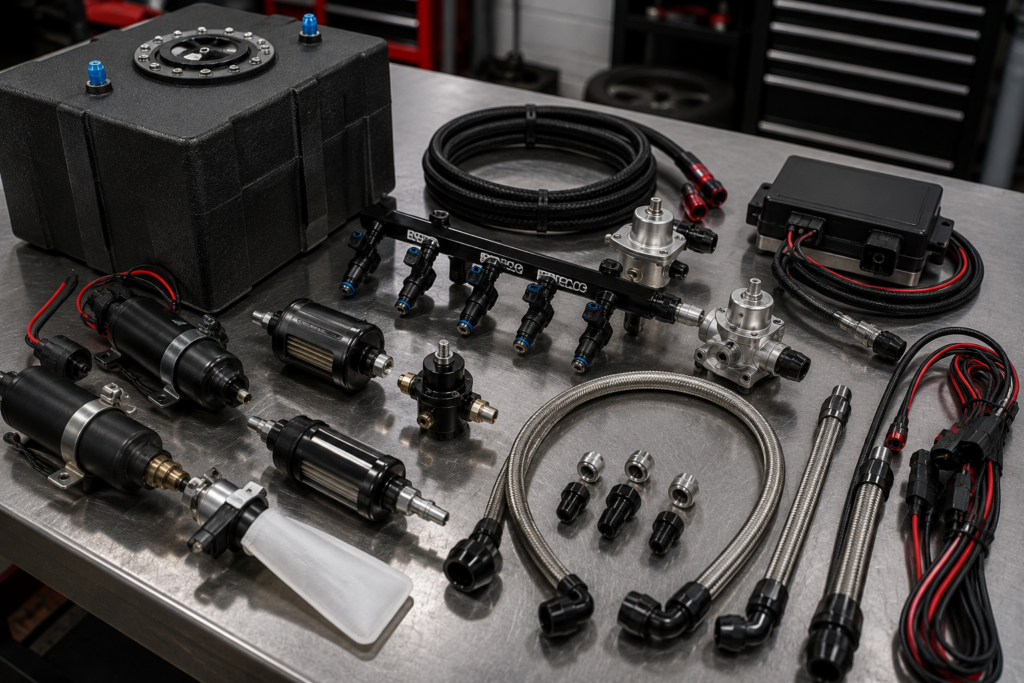
Fuel-system planning may involve:
The required capacity depends on:
Fuel-system components should be selected with adequate operating margin. Advertised maximum capacity may not reflect real-world voltage, pressure, heat, or fuel conditions.
Oil does more than reduce friction. It also removes heat, protects bearings, supports hydraulic components, and helps control contamination.
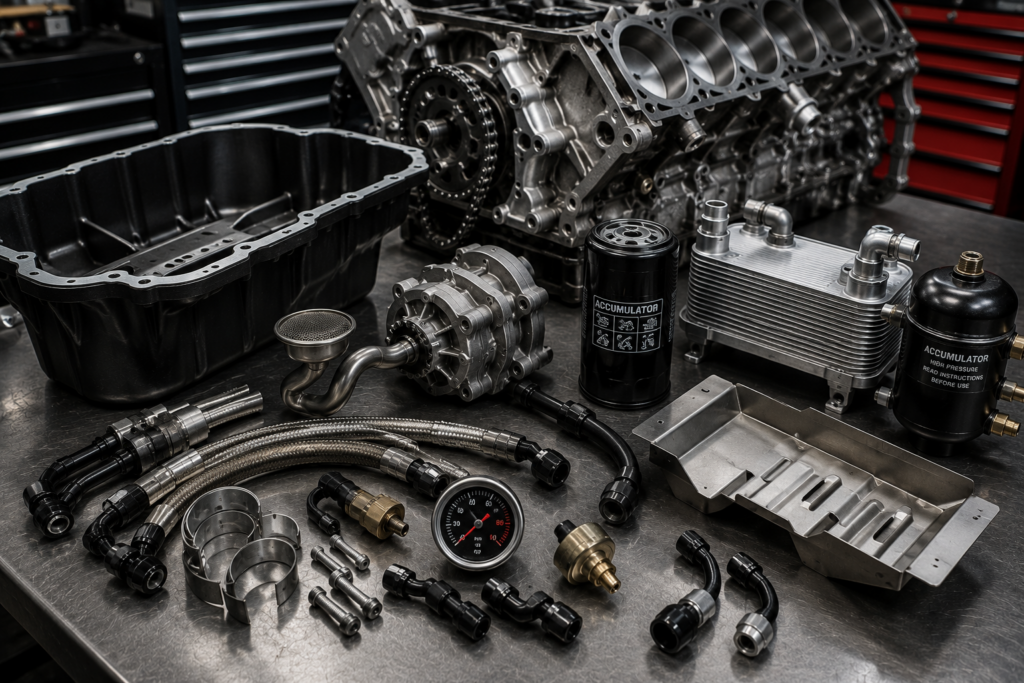
Performance engine planning may need to address:
Motorsport vehicles may experience oil movement during acceleration, braking, and cornering. A factory oil pan designed for ordinary street use may not provide adequate control during sustained competition use.
Excessive oil pressure is not automatically better. Oil flow, temperature, clearances, system design, and operating conditions all matter.
Performance engines create heat. Higher cylinder pressure, greater airflow, forced induction, increased RPM, and sustained load can increase cooling demands.
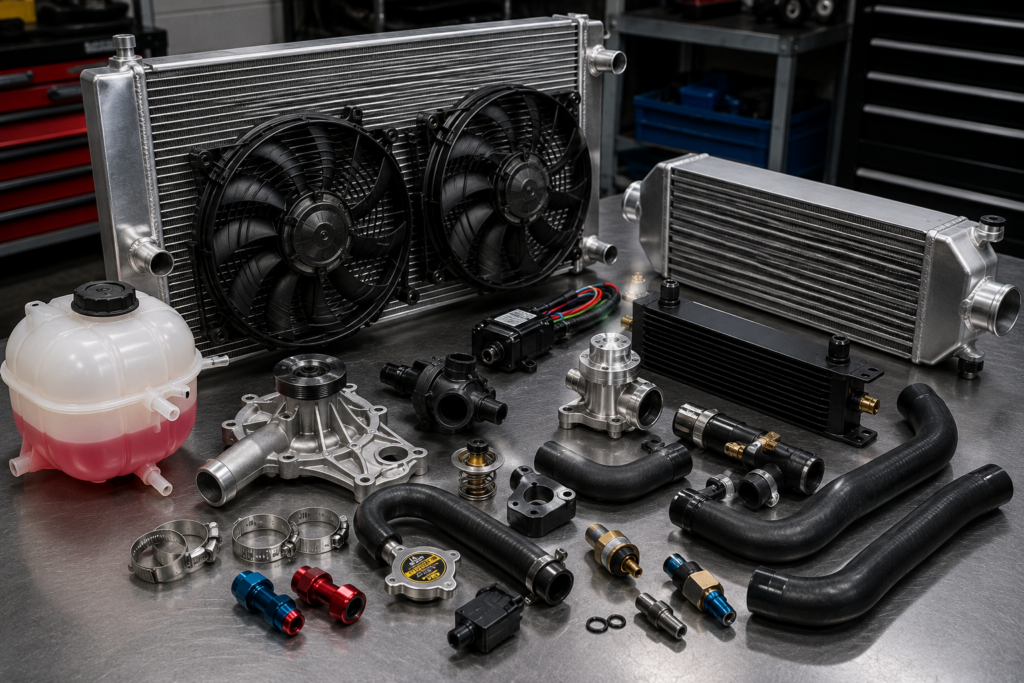
A complete cooling strategy may consider:
A larger radiator alone may not solve an airflow, fan-control, ducting, or coolant-routing problem.
Street vehicles must remain stable in Winston-Salem traffic and warm North Carolina weather. Motorsport vehicles may require additional capacity for repeated or sustained high-load operation.
Cooling should be designed before the engine is operated under demanding conditions.
Performance engines create heat. Higher cylinder pressure, greater airflow, forced induction, increased RPM, and sustained load can increase cooling demands.
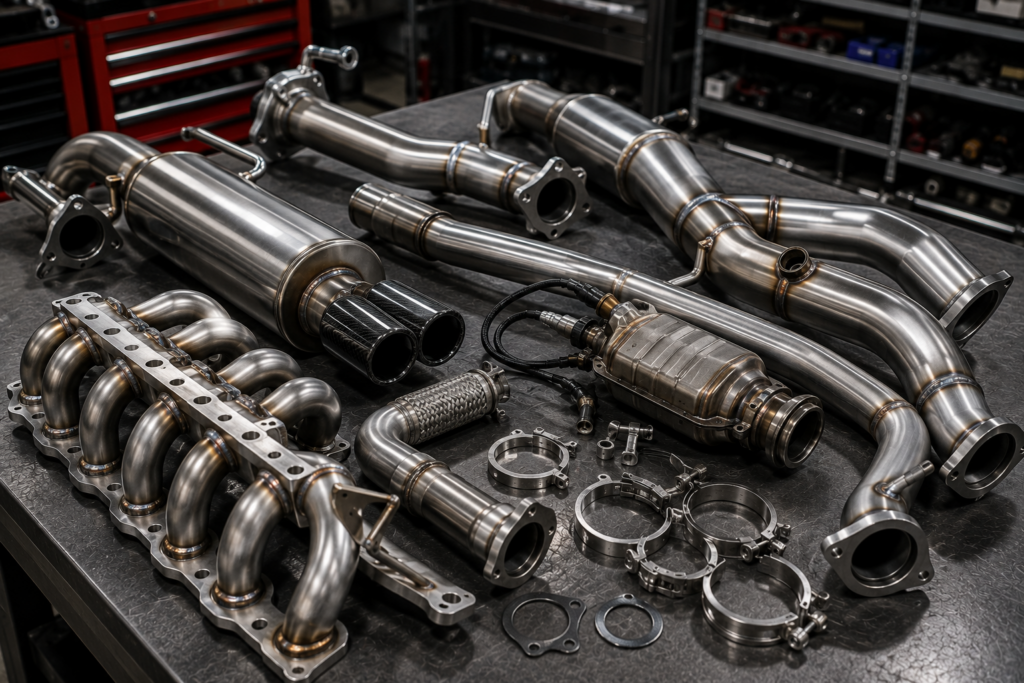
The exhaust system influences:
A performance exhaust should be matched to the engine displacement, RPM range, camshaft, cylinder heads, induction system, and power-adder configuration.
Oversized piping can reduce exhaust velocity in some applications. Undersized piping can restrict higher-output combinations.
Engine swaps, restomods, and forced-induction systems may also require custom routing or fabrication to address clearance and heat management.
Street-driven vehicles must retain all legally required emissions equipment and comply with applicable federal, state, and local requirements.
Mechanical modifications and electronic calibration must support one another.
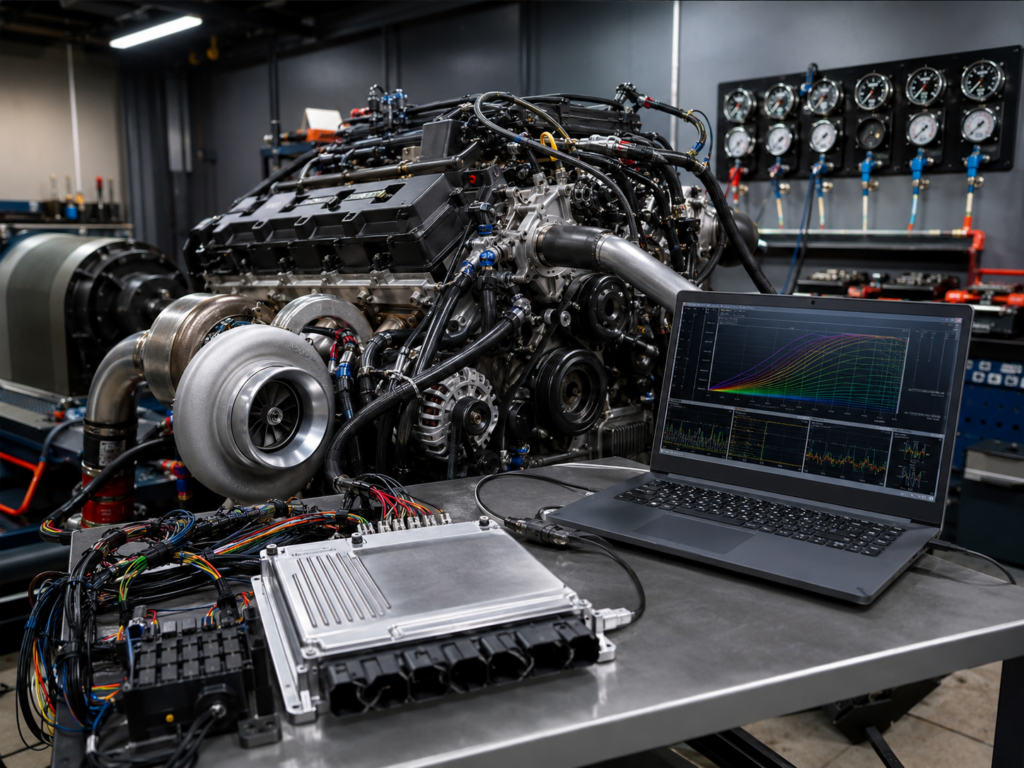
A performance engine may require calibration changes related to:
Tuning cannot repair an incorrectly assembled engine, inadequate fuel system, weak ignition system, overheating problem, or incompatible component combination.
The engine should be mechanically sound and the installed hardware should be documented before calibration begins.
For additional information about calibration, visit the Big South Performance website and review the available ECU tuning and performance services.
Additional engine output must travel through the rest of the drivetrain.
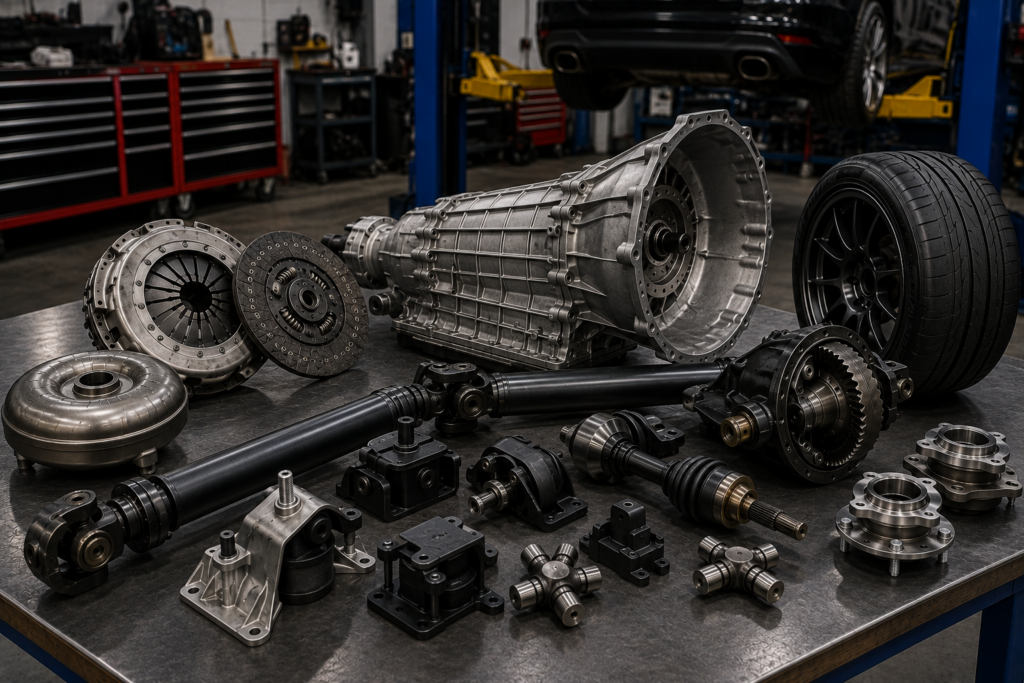
A performance engine build may expose limitations in:
Important planning factors include:
A drivetrain that survives ordinary street driving may fail when exposed to increased torque, hard launches, sticky tires, or repeated competition use.
The engine’s target output should be evaluated alongside the components responsible for transferring that output to the pavement.
A complete performance build must do more than accelerate.
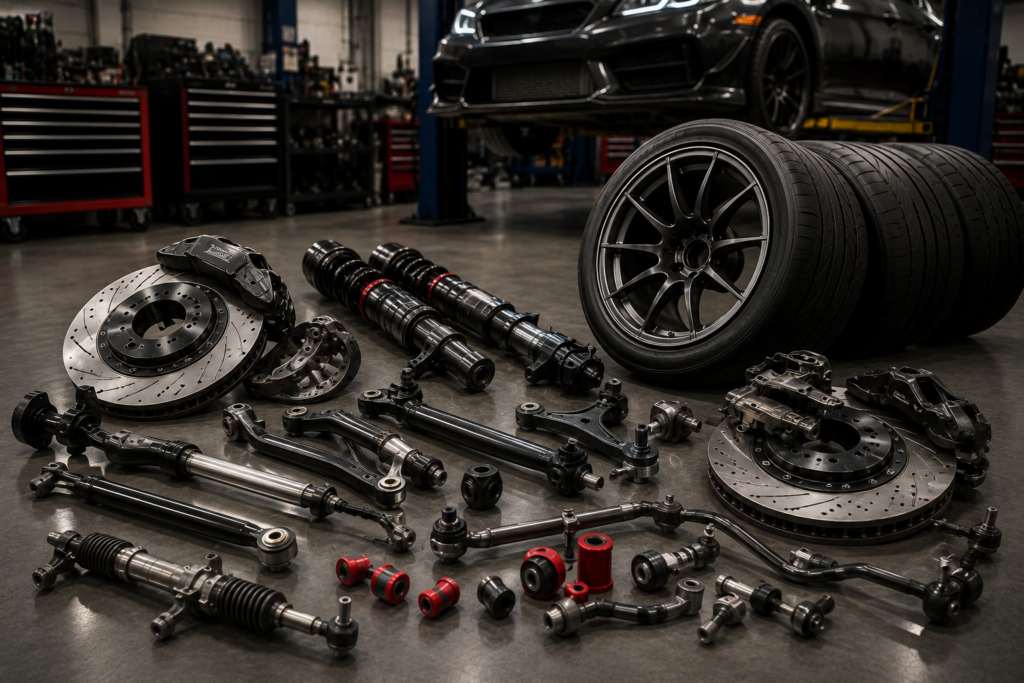
As speed and output increase, the vehicle may also require improvements to:
A high-output engine installed in a vehicle with inadequate brakes, worn suspension, old tires, or unstable handling does not create a balanced performance vehicle.
The appropriate supporting upgrades depend on:
Big South Performance considers the complete vehicle when helping owners plan a performance-engine project.
The scope of an engine project can vary considerably.
| Build Type | Typical Objective |
|---|---|
| Street performance refresh | Improve response, torque, reliability, or compatibility with selected upgrades |
| Naturally aspirated performance build | Increase airflow, compression, RPM capability, and usable power |
| Forced-induction-ready build | Prepare the engine and supporting systems for increased cylinder pressure and heat |
| Restomod engine package | Integrate modern power, controls, cooling, fuel delivery, and drivability into a classic vehicle |
| Street-and-track build | Balance routine drivability with cooling, oil control, power, and repeatability |
| Motorsport-focused build | Develop the engine around a defined competition environment and maintenance schedule |
These categories are starting points. The final specification must reflect the specific vehicle and project.
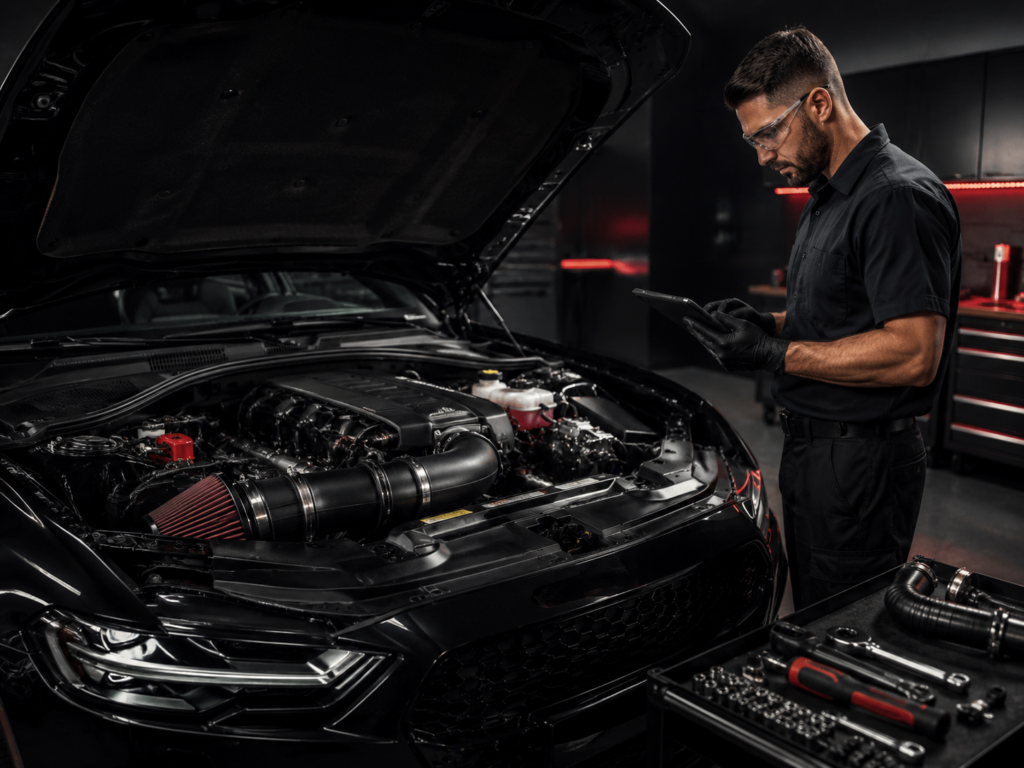
The first step is establishing what the vehicle must do.
Important questions include:
The current engine, transmission, drivetrain, cooling system, fuel system, electronics, suspension, brakes, tires, and previous modifications should be reviewed.
The performance goal should be realistic for:
Horsepower should not be selected independently of the systems required to support it.
The engine block, rotating assembly, compression, cylinder heads, camshaft, valvetrain, induction, fuel system, oil system, cooling, exhaust, and calibration strategy should be planned together.
The plan may identify required changes to:
Before parts are ordered, the exact scope should be documented.
This may include:
Proper assembly and installation require attention to:
The initial startup should verify:
Break-in requirements vary by component, engine design, machining process, oil, and builder specification.
Calibration should reflect the completed mechanical combination and required fuel.
The owner should receive clear information about:
There is no universal break-in procedure for every performance engine.
The correct approach depends on:
Owners should follow the documented procedure provided for their specific combination.
Early maintenance may include:
Do not assume that a new engine should immediately be operated at maximum load or RPM.
Modified engines may require more frequent inspection and service than factory engines.
Maintenance needs can depend on:
A performance-engine maintenance plan may include:
A competition engine may require inspection according to operating hours, passes, laps, or events rather than ordinary mileage.
A performance engine can be carefully designed and assembled, but increased output and RPM can place greater stress on components.
Reliability depends on the entire combination, including:
No engine build can eliminate every possibility of mechanical failure.
A street engine designed for broad torque, conservative RPM, adequate cooling, and readily available fuel may require a different strategy than a competition engine designed around maximum output.
Owners should understand the relationship between power, maintenance, operating limits, and component life before selecting a build specification.
Big South Performance does not recommend choosing an engine combination based solely on the largest advertised horsepower figure.
Actual results depend on:
Engine-dyno output and chassis-dyno output are not directly interchangeable. Different dynamometers, correction methods, tire conditions, temperatures, and drivetrain configurations can produce different measurements.
A responsible build begins with the owner’s intended use and a sustainable operating range rather than an unsupported output guarantee.
Street-driven performance vehicles must comply with applicable federal, state, and local requirements.
The U.S. Environmental Protection Agency explains that the federal Clean Air Act prohibits tampering with required emissions-control systems and prohibits hardware or software intended to defeat those systems.
North Carolina requires eligible vehicles to complete annual safety inspections. Eligible vehicles registered in designated counties may also be subject to emissions inspection requirements:
Regulations can change. Current requirements should be verified before modifying a street-driven vehicle.

Big South Performance approaches engine development through the lens of performance vehicles, restomods, ECU tuning, and motorsport engineering.
The engine is evaluated alongside its fuel system, cooling, ECU, transmission, drivetrain, suspension, brakes, and tires.
Components should be chosen according to the vehicle and intended use rather than popularity, sound, or isolated advertising claims.
A daily-driven performance vehicle and a competition vehicle require different powerbands, cooling strategies, maintenance schedules, and drivability priorities.
Modern engine technology must be correctly integrated with the wiring, fuel delivery, cooling, gauges, transmission controls, and other systems in a classic vehicle.
Larger projects can often be divided into logical stages so foundational work supports future upgrades.
A successful build is measured by how well it fulfills the owner’s goal—not by an unsupported horsepower promise.
Big South Performance serves performance-vehicle owners from Winston-Salem and surrounding communities, including:
Header installation may involve:
Owners of specialty vehicles often travel beyond their immediate community to work with a shop that understands performance-engine planning, electronic calibration, restomod integration, and motorsport development.
Providing complete information helps Big South Performance evaluate the project.
Include:
Do not purchase major engine components before confirming that they support the complete combination.
A custom performance engine build is an engine combination developed around a specific vehicle, fuel, powerband, intended use, performance target, and supporting drivetrain. Its components are selected to work together rather than as unrelated upgrades.
A stock replacement engine is generally intended to restore factory-like operation. A performance engine may use different internal components, compression, cylinder heads, camshaft, induction, fuel delivery, oil control, cooling, and calibration to support increased output or a specific motorsport application.
There is no universal answer. Output depends on the engine platform, block, rotating assembly, cylinder heads, compression, induction, fuel, forced induction, calibration, and supporting systems. The target should be established after evaluating the complete vehicle.
No. Peak output does not describe throttle response, torque curve, cooling, fuel requirements, drivability, maintenance, traction, or component life. A balanced engine suited to the vehicle often provides a better result.
Yes. A street-performance engine can be planned around cold starts, traffic, readily available fuel, manageable noise, broad torque, cooling, and routine maintenance.
A short block generally includes the block, crankshaft, connecting rods, pistons, bearings, and rings. A long block commonly adds cylinder heads, camshaft, valvetrain, and timing components. Exact contents vary and should be documented before purchase.
Not every performance engine requires forged components. The correct material and design depend on cylinder pressure, RPM, boost, fuel, output target, intended use, and engine platform.
Many modern vehicles require calibration after a significant camshaft change. Idle airflow, fuel delivery, ignition timing, variable valve timing, torque management, and other functions may need adjustment.
Big South Performance evaluates compatible naturally aspirated and forced-induction performance projects. The appropriate scope depends on the engine platform, output target, fuel, boost system, drivetrain, and available technical support.
A performance engine may require changes to the fuel system, cooling system, ignition, ECU calibration, transmission, clutch or converter, driveshaft, differential, axles, suspension, brakes, and tires.
It is generally better to establish the complete combination first. Components that appear compatible individually may not support the same compression ratio, RPM range, powerband, or future plan.
Many new or rebuilt engines require a defined startup, inspection, and break-in process. The correct procedure depends on the components, machining, assembly specifications, oil, camshaft, and ring package.
Fuel requirements depend on compression ratio, boost, combustion-chamber design, ignition timing, operating temperature, and calibration. The required fuel should be established during planning and followed after the build.
No. Calibration cannot repair incorrect clearances, inadequate oil pressure, low compression, poor ring sealing, valvetrain problems, overheating, or incompatible mechanical components.
A partially completed or previously modified project may be evaluated. Existing components, machining records, assembly details, clearances, software, and supporting systems must be understood before additional work is recommended.
The timeline depends on the engine platform, parts availability, inspection or machining needs, project scope, installation requirements, supporting upgrades, and calibration. A specific schedule should be established after the vehicle and build are evaluated.
Street-driven vehicles must retain required emissions systems and comply with applicable federal, state, and local laws. Engine modifications may also affect inspections, registration, insurance, and warranty coverage.
Provide the vehicle year, make, model, engine, transmission, existing modifications, current condition, intended use, desired output, fuel, future plans, budget, timeline, photographs, and any previous build records.
A successful performance engine begins with a defined goal and a combination in which every component supports the same purpose.
Contact Big South Performance to discuss your vehicle, engine platform, intended use, current modifications, fuel, desired powerband, and long-term build plans.
Big South Performance serves Winston-Salem, Forsyth County, and the surrounding Piedmont Triad with performance-engine planning, restomod integration, ECU tuning, and motorsport-focused vehicle development.
Tell us what you drive, how you use it, and what you want the finished vehicle to accomplish.