Big South Performance helps automotive enthusiasts plan and develop compatible turbocharger and supercharger projects in Winston-Salem, Forsyth County, and communities throughout the Piedmont Triad.
Forced induction can substantially increase engine airflow, horsepower, torque, and performance potential. It also increases fuel demand, cylinder pressure, heat, drivetrain load, and calibration requirements.
A successful forced-induction build requires more than installing a turbocharger or supercharger kit. The engine, fuel system, cooling system, intercooler, intake, exhaust, ignition, ECU calibration, transmission, drivetrain, tires, and brakes must support the intended output.
Big South Performance approaches turbocharger and supercharger projects as complete performance systems. Before recommending a build direction, we consider the vehicle platform, engine condition, intended use, desired power delivery, available fuel, existing modifications, supporting systems, budget, and long-term plans.
Whether you want responsive street performance, a forced-induction restomod, or a motorsport-focused combination, the project should begin with a realistic plan.
Contact Big South Performance to discuss your vehicle, current configuration, power-adder options, intended use, and performance goals.
Forced induction uses a compressor to deliver more air to the engine than it would receive through atmospheric pressure alone.
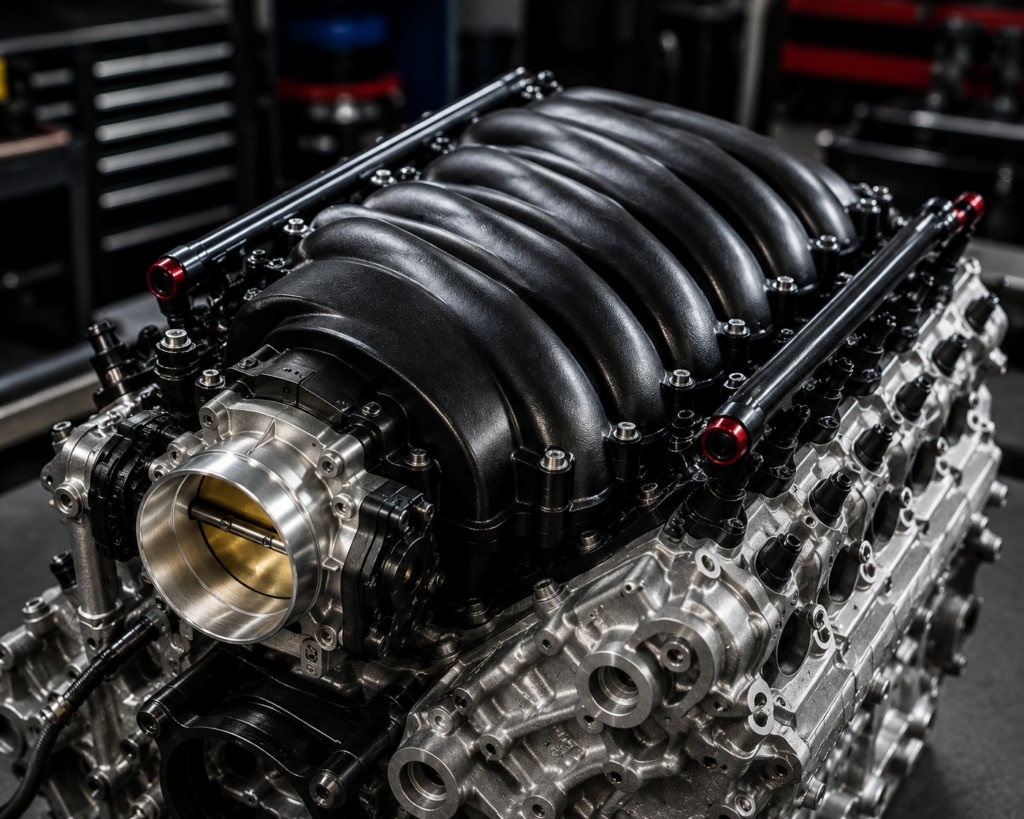
A complete project may require planning and integration involving:
Not every vehicle requires every modification listed above. Each supporting system should still be evaluated before boost or output targets are established.
Forced induction increases the amount of air entering the engine by using a turbocharger or supercharger.
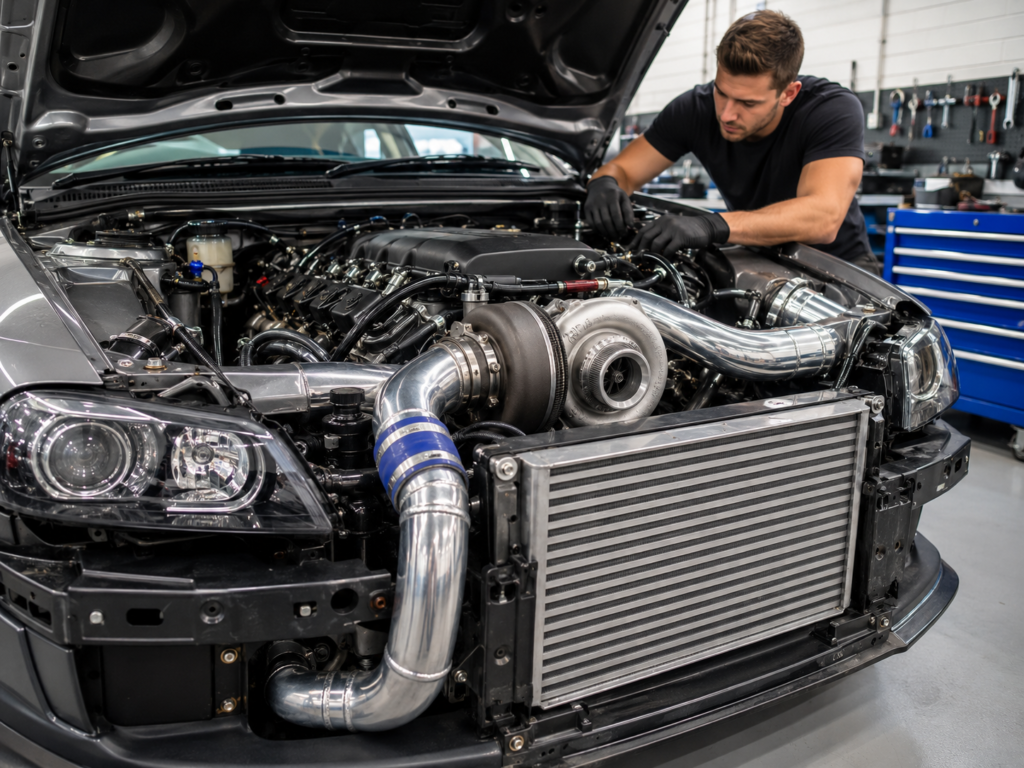
More air can allow the engine to burn additional fuel and produce greater output. The increase in airflow also creates additional heat and cylinder pressure.
Forced induction affects more than peak horsepower. It may change:
The system must be designed around the engine and vehicle—not simply around a published compressor rating.
Turbochargers and superchargers both compress intake air, but they operate differently.
| Turbocharger | Supercharger |
|---|---|
| Driven by exhaust energy | Mechanically driven by the engine |
| Can offer strong efficiency and high power potential | Often provides immediate response |
| Requires exhaust-side integration | Requires belt, pulley, and bracket integration |
| May create boost progressively | May produce boost earlier in the RPM range |
| Requires oil and sometimes coolant routing | May require separate lubrication depending on design |
| Often requires charge piping and wastegate control | May use an integrated or separate bypass system |
| Can create significant exhaust heat | Adds mechanical load to the engine |
Neither is automatically better. The appropriate system depends on:
A turbocharger uses exhaust energy to spin a turbine connected to a compressor.
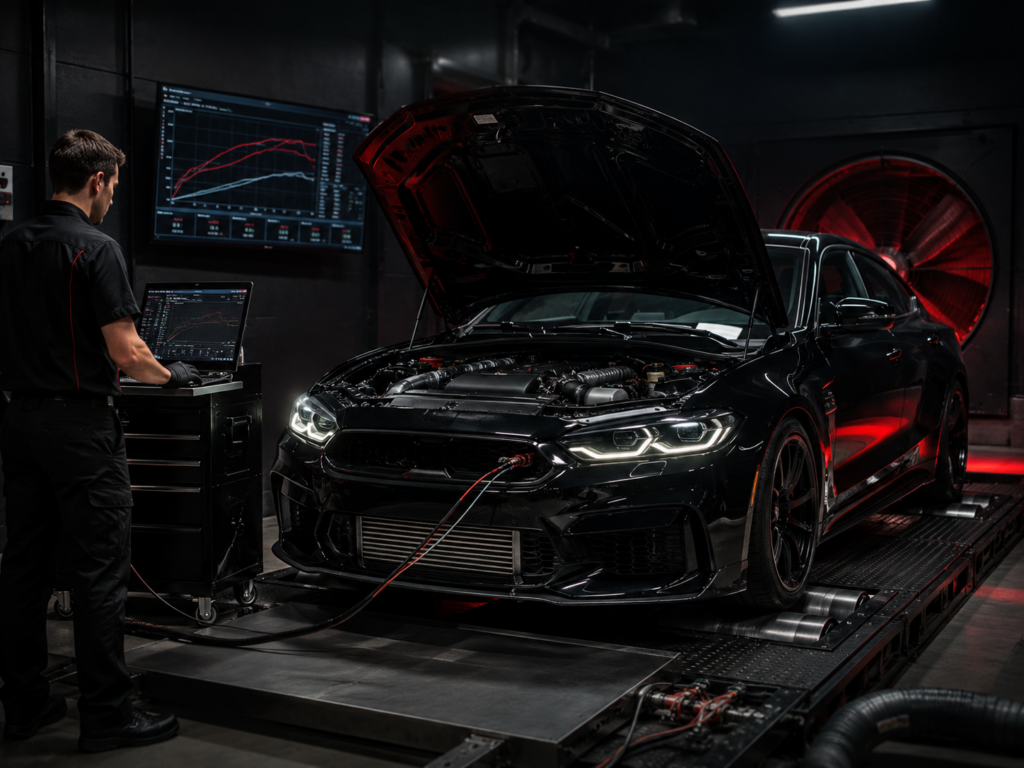
The compressor increases the pressure and density of the air entering the engine. This allows the engine to produce more power when the fuel system, ignition, engine components, cooling system, and calibration support the additional airflow.
A turbocharger system may include:
The size and design of each component influence response, efficiency, temperature, powerband, and maximum airflow.
A supercharger is driven mechanically by the engine, commonly through a belt connected to the crankshaft.
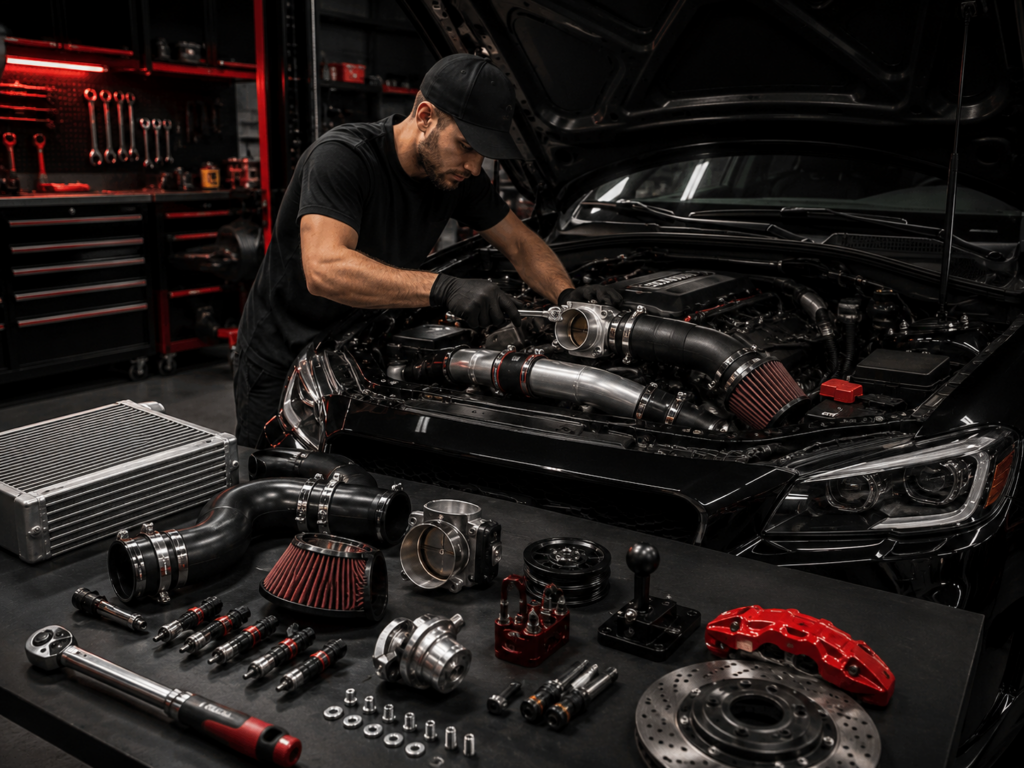
Because the compressor is mechanically driven, a supercharger can provide immediate or predictable boost response depending on its design.
Common supercharger categories include:
Each type produces a different power-delivery characteristic.
A positive-displacement system can provide substantial low- and midrange torque.
This may be attractive for:
A centrifugal supercharger generally produces increasing boost as engine speed rises.
This can provide:
The correct supercharger depends on the engine, vehicle, gearing, intended use, desired response, and available space.
The decision should be based on the finished vehicle—not simply the largest advertised horsepower number.
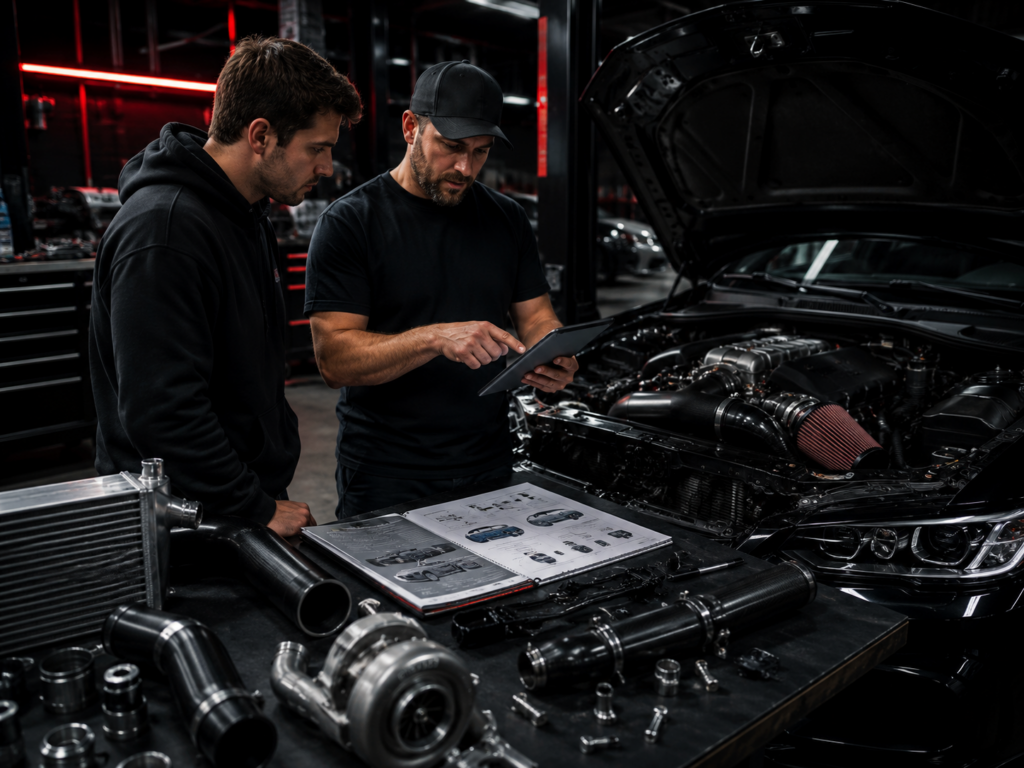
Important questions include:
A street-driven restomod may benefit from a different compressor and boost strategy than a drag-oriented or road-course vehicle.
A turbocharger or supercharger should not be installed to compensate for a weak or unhealthy engine.
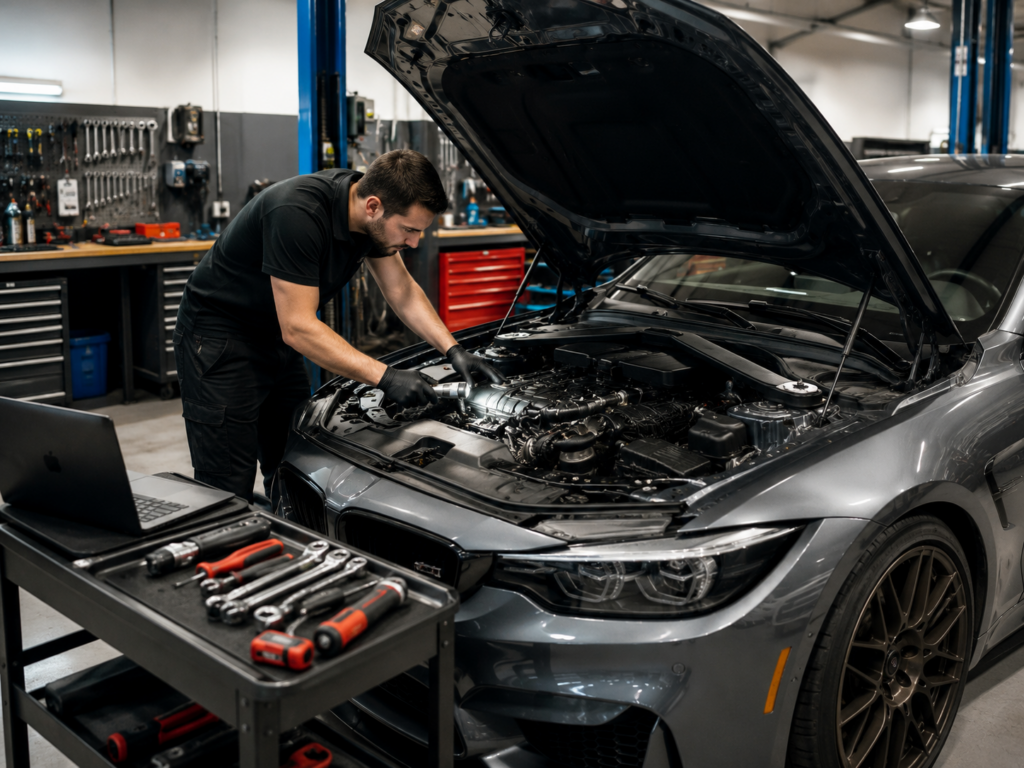
Before forced induction is added, the vehicle may need evaluation of:
An engine with worn rings, damaged pistons, weak head sealing, inadequate oil pressure, or persistent overheating may not be a suitable foundation for additional cylinder pressure.
No inspection can guarantee that an engine will not fail. Evaluation helps identify obvious concerns before significant time and money are invested.
Some factory engines can support modest forced-induction combinations when they are in good condition and the complete system is properly planned.
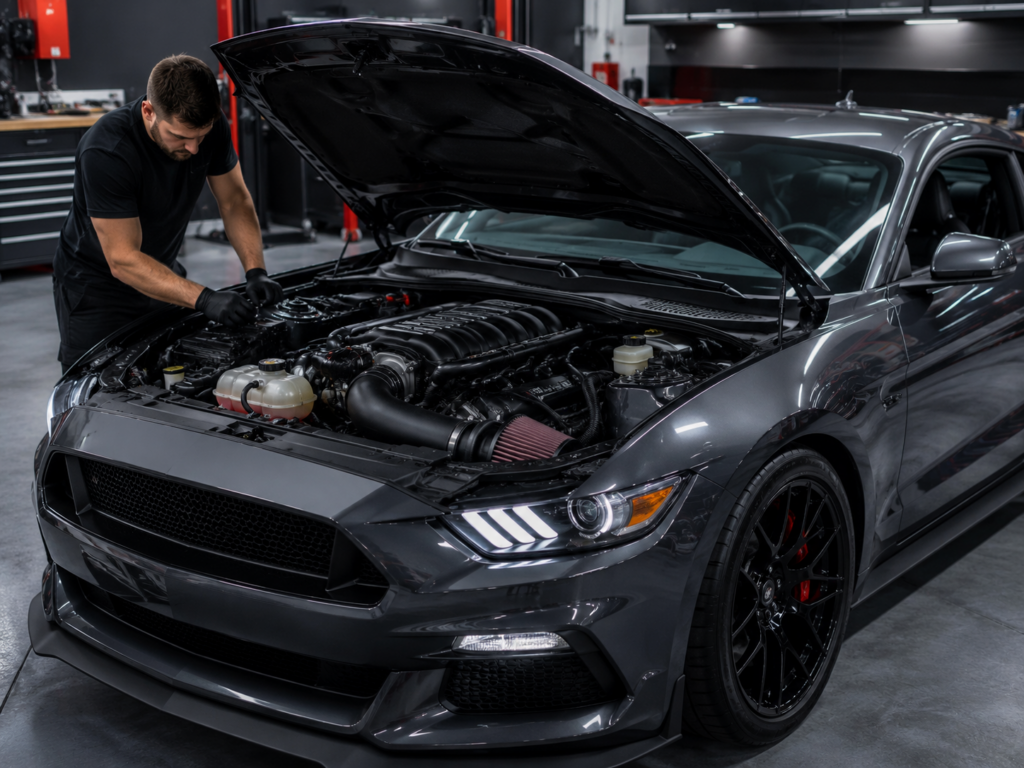
The acceptable output depends on:
A published horsepower figure should not be treated as a universal safe limit.
Two engines of the same type may differ because of mileage, maintenance, previous overheating, manufacturing variation, prior modifications, and operating history.
A stock-engine project should use realistic goals and retain appropriate operating margin.
Higher-output or more demanding applications may require a purpose-built engine.
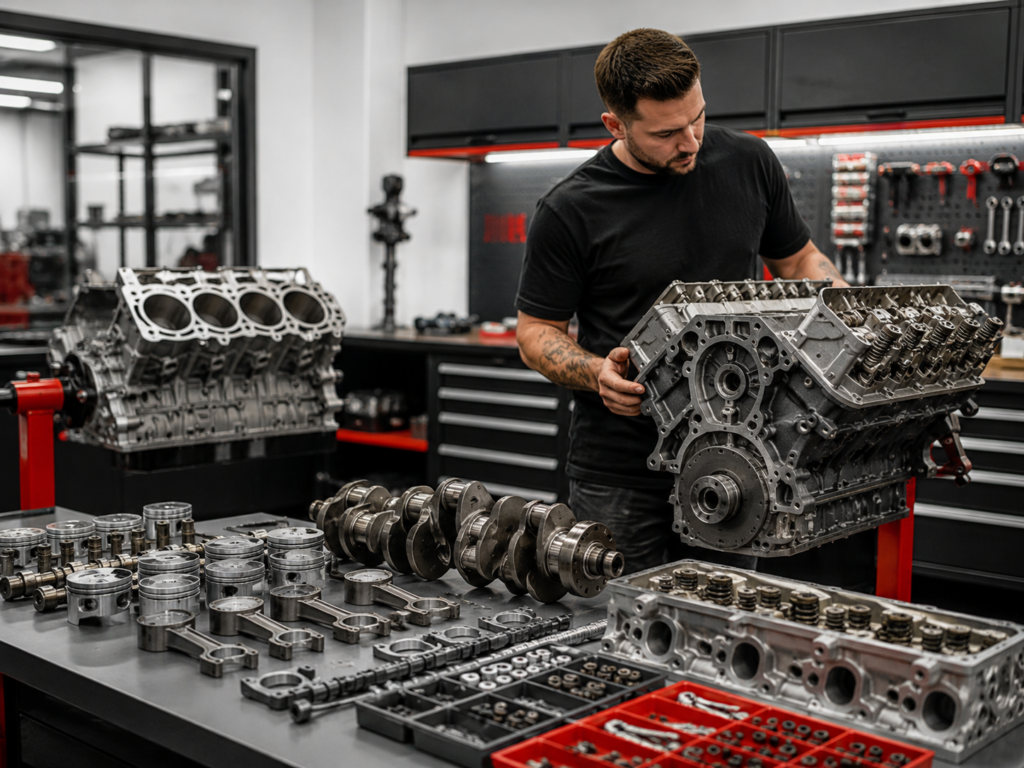
A forced-induction-ready engine may include consideration of:
A built engine does not eliminate the need for conservative planning.
Incorrect machining, assembly, fuel delivery, cooling, calibration, or boost control can damage even high-quality components.
The engine, compressor, fuel system, intercooler, exhaust, drivetrain, and calibration must support the same goal.
Turbochargers are not selected solely by the largest horsepower rating.
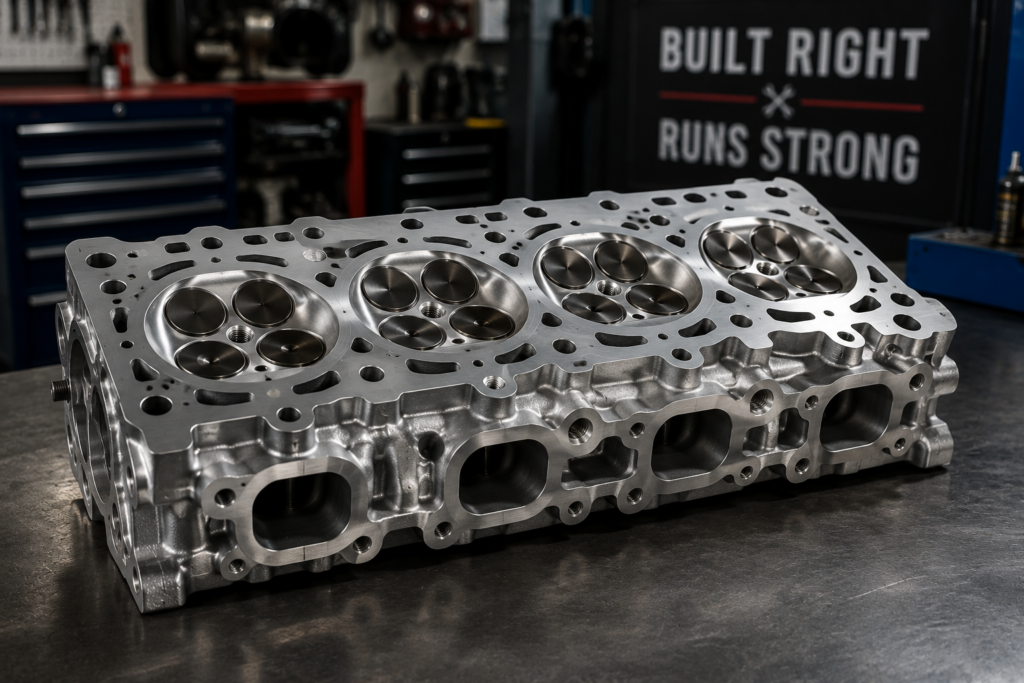
Important factors include:
A turbocharger that is too large may create slow response and a narrow usable powerband. A turbocharger that is too small may generate excessive backpressure and heat at higher output.
The correct turbocharger should support the vehicle’s intended use and powerband.
A vehicle may use one or two turbochargers depending on the engine, packaging, goals, and system design.
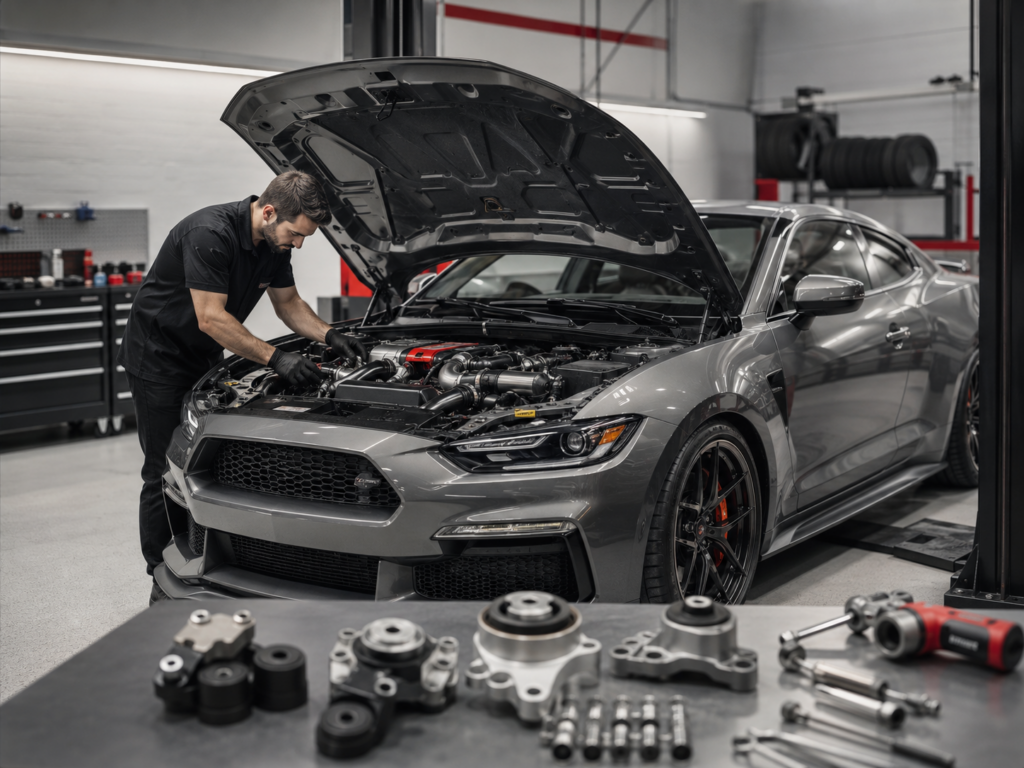
Potential benefits may include:
Potential considerations include:
Potential benefits may include:
Potential considerations include:
The number of turbochargers does not determine whether the system is well designed. Compressor sizing, exhaust flow, heat management, control, and integration matter more.
Supercharger selection should account for:
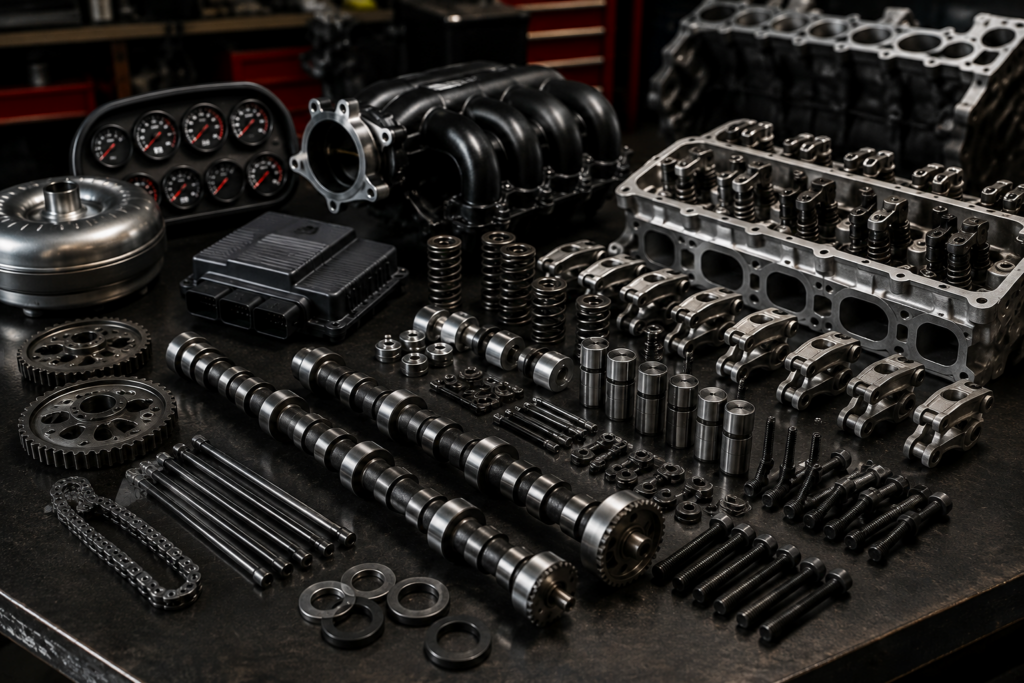
A system that produces substantial low-RPM torque may create more drivetrain stress and traction demand than a progressive system with similar peak output.
The supercharger should match the vehicle’s engine, gearing, tires, and intended use.
Boost pressure measures intake-manifold pressure above atmospheric pressure. It does not directly measure engine output.
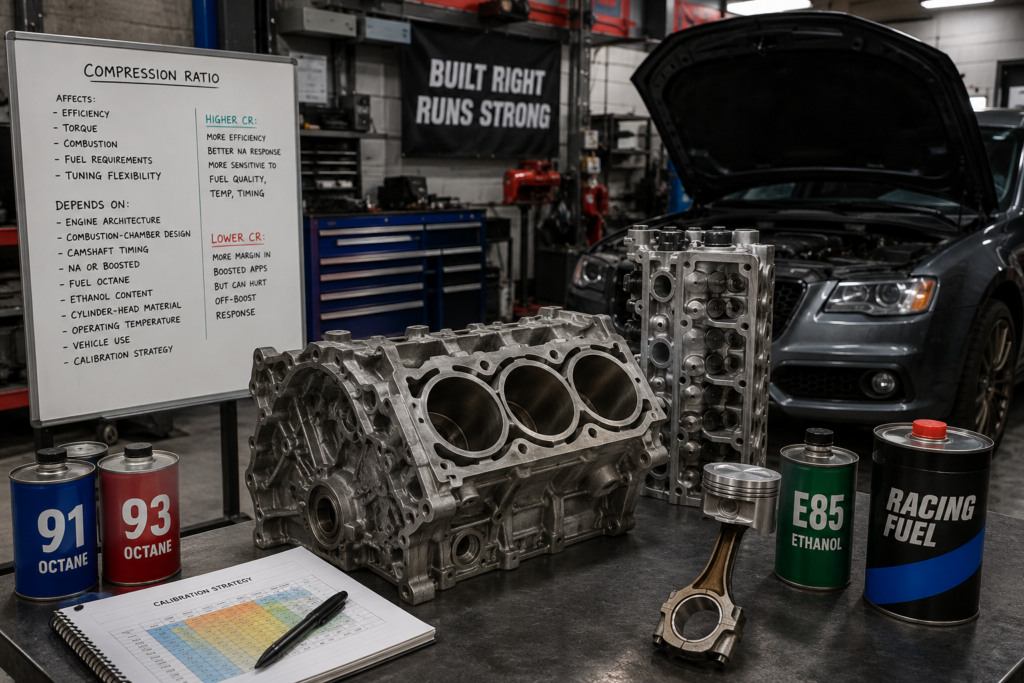
The same boost pressure can produce different results depending on:
An efficient combination may produce more power at lower boost than a restrictive or overheated system.
The objective should not be the highest boost number. It should be the airflow, power delivery, temperature control, and reliability appropriate for the vehicle.
Compressing air increases its temperature.
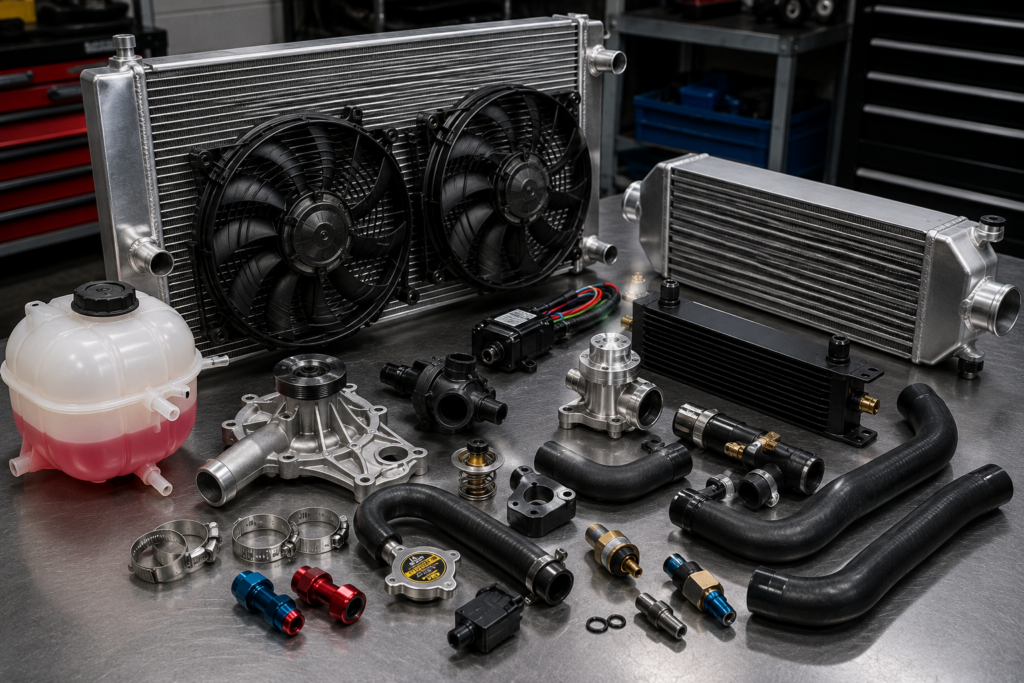
An intercooler helps reduce charge-air temperature before the air enters the engine. Cooler air is generally denser and can provide a greater margin against detonation.
Intercooler planning may involve:
The largest intercooler is not automatically the best.
An oversized or poorly designed system can create:
Intercooler selection should balance cooling, airflow, response, packaging, and heat management.
Charge piping connects the compressor, intercooler, throttle body, and intake system.
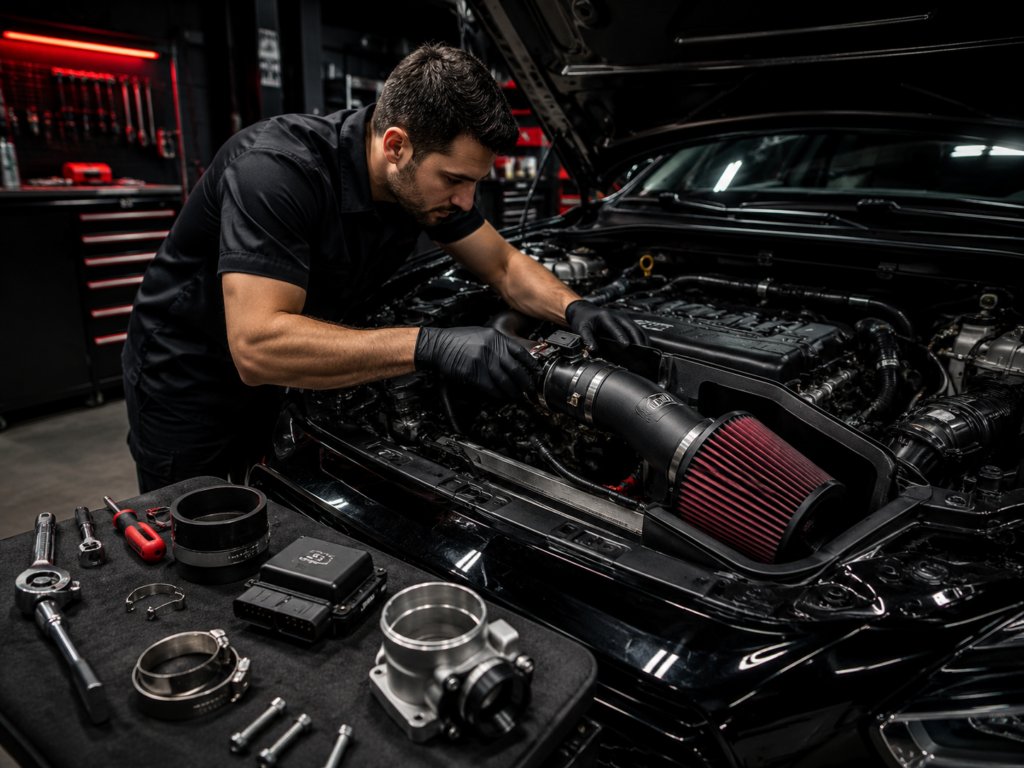
Important considerations include:
Poorly supported or inadequately clamped piping may separate under boost.
Charge piping should be routed away from:
The completed system should be checked for pressure leaks before aggressive operation.
A wastegate controls exhaust flow through the turbocharger turbine and helps regulate boost.
Systems may use:
Wastegate selection and placement affect:
Electronic control may allow boost to be managed according to:
Boost-control strategies must be matched to the vehicle and supported ECU capabilities.
A blow-off or bypass valve helps release or redirect compressed air when the throttle closes.
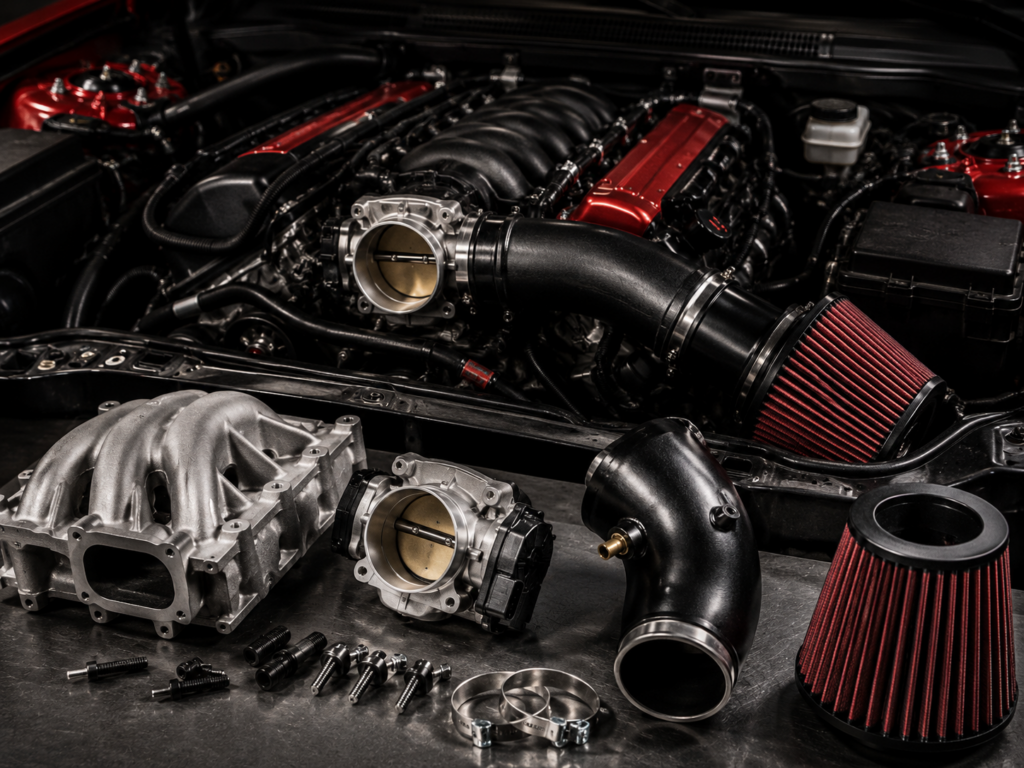
Proper valve operation can help:
The correct valve and routing depend on:
Vented and recirculated systems may behave differently depending on how the ECU measures airflow.
Many turbochargers require engine oil for lubrication. Some also use engine coolant for temperature control.
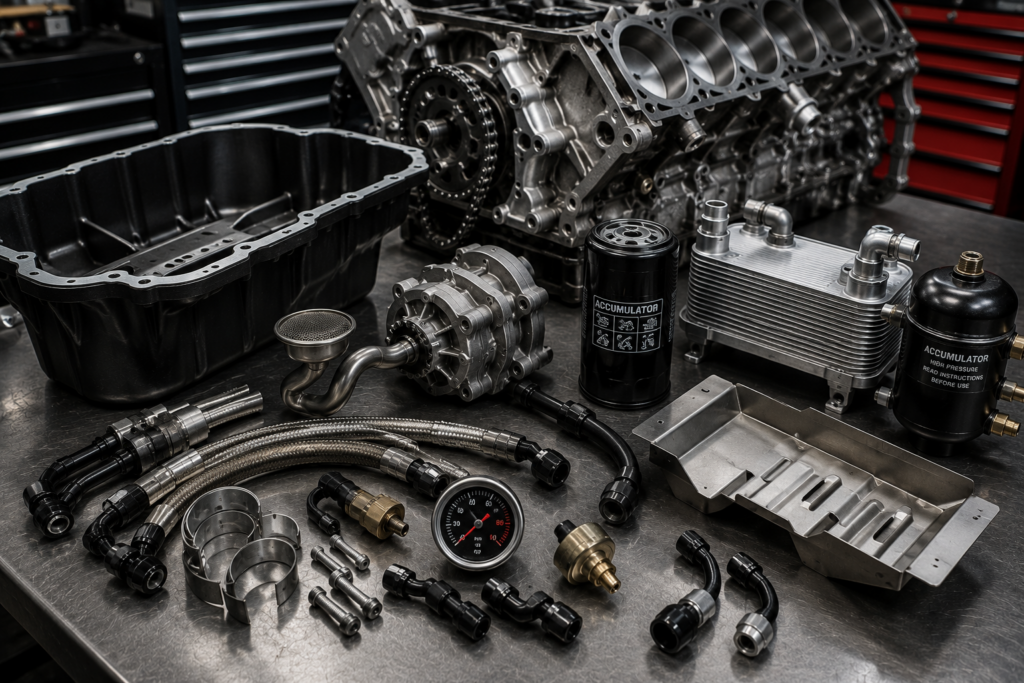
Turbocharger oil-system planning may include:
A poor oil drain can cause:
The drain must generally return oil without restriction and without being exposed to excessive crankcase pressure.
Coolant routing should follow the requirements of the specific turbocharger and installation.
A belt-driven supercharger depends on proper pulley alignment, belt wrap, tension, and accessory-drive capacity.
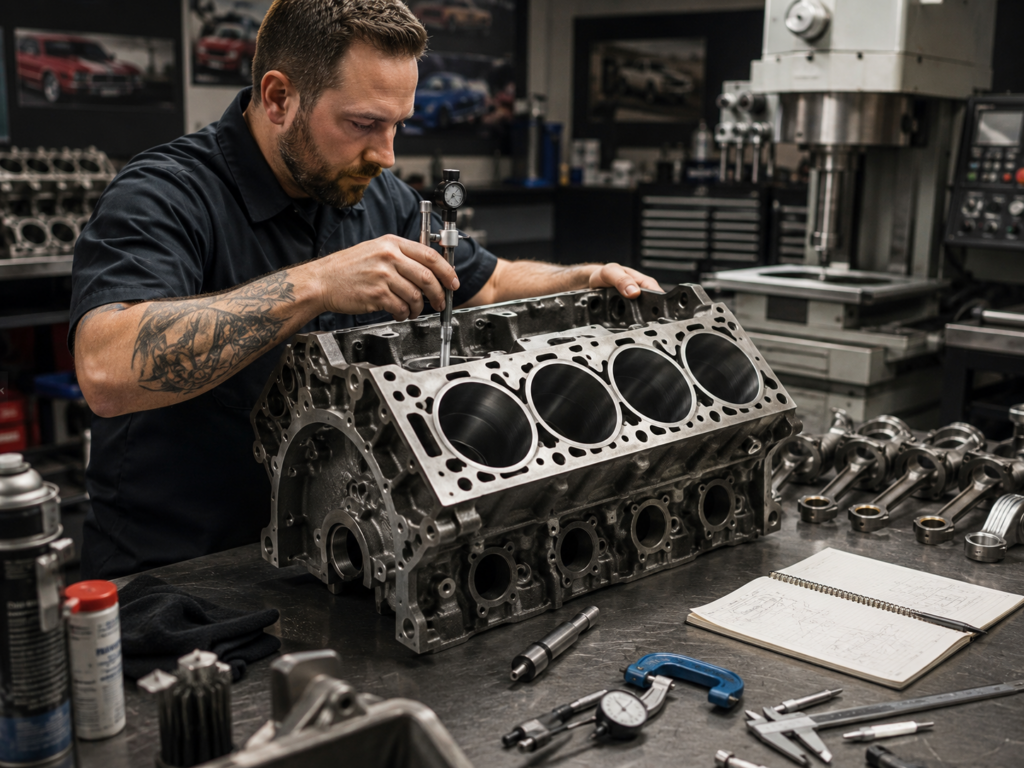
Important considerations include:
A smaller supercharger pulley may increase compressor speed and boost, but it can also increase:
Pulley changes may require fuel-system, cooling, spark-plug, and calibration updates.
Forced induction increases fuel demand.
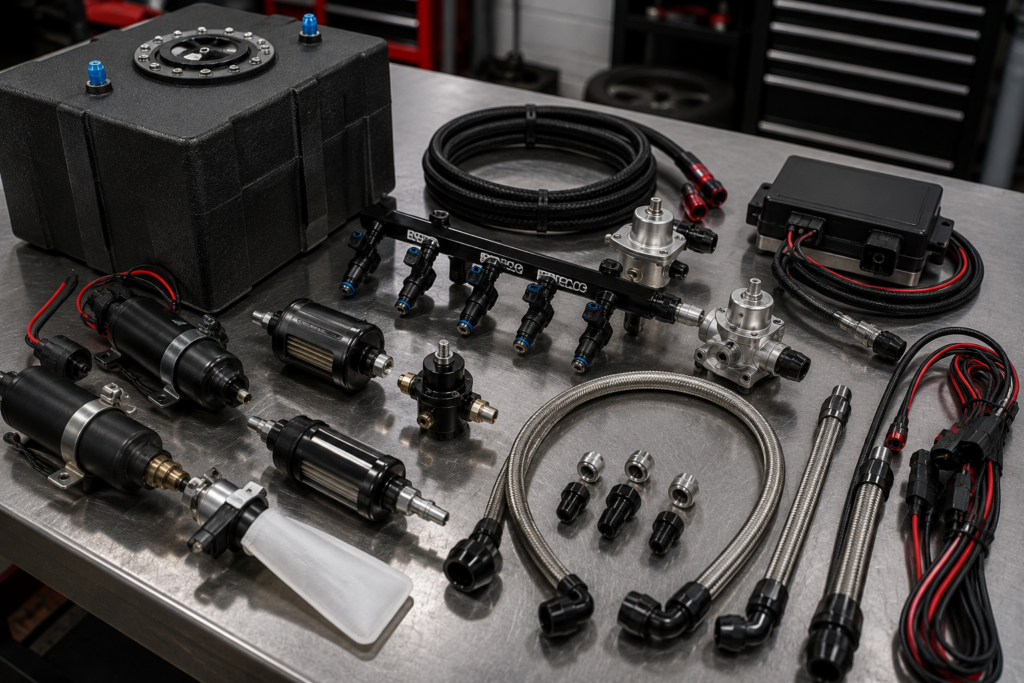
A complete fuel system may involve:
The system must support the engine’s fuel demand at:
Fuel-pump output can decrease as pressure rises. Voltage, wire size, heat, and fuel type can also affect capacity.
The fuel system should provide adequate operating margin rather than being sized at its advertised limit.
Injector selection should consider:
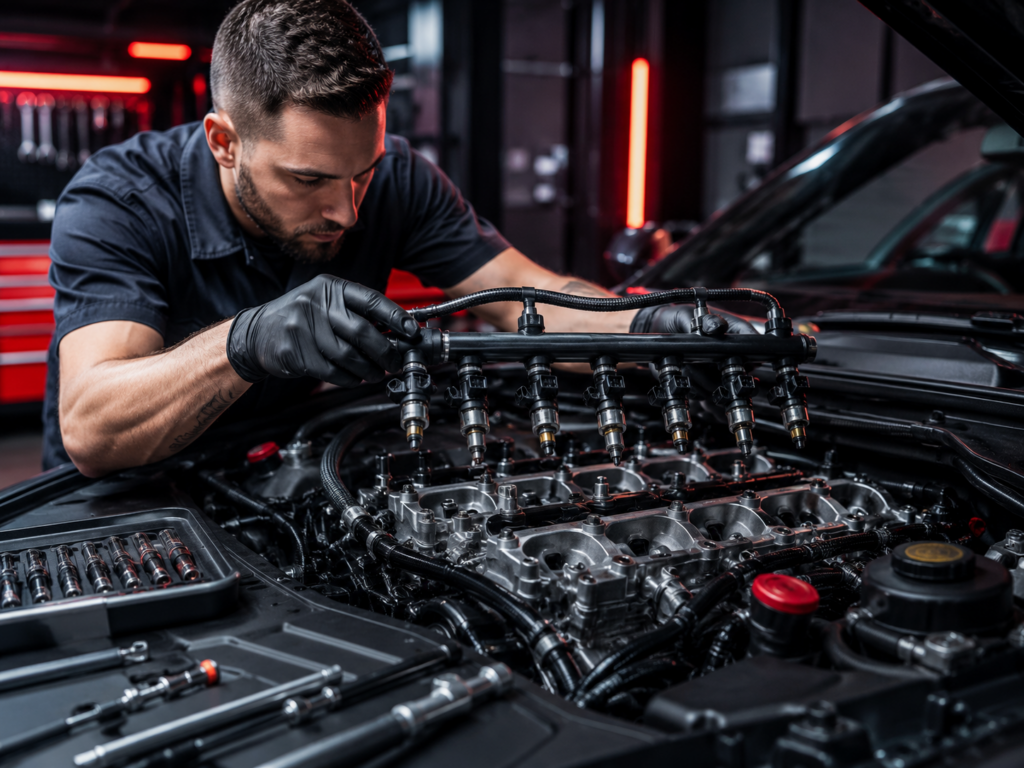
Large injectors must still provide predictable control at idle and low load.
Accurate injector data is important for:
Injector size alone does not determine whether the vehicle will run properly.
Fuel influences boost capability, ignition timing, cooling, consistency, and engine risk.
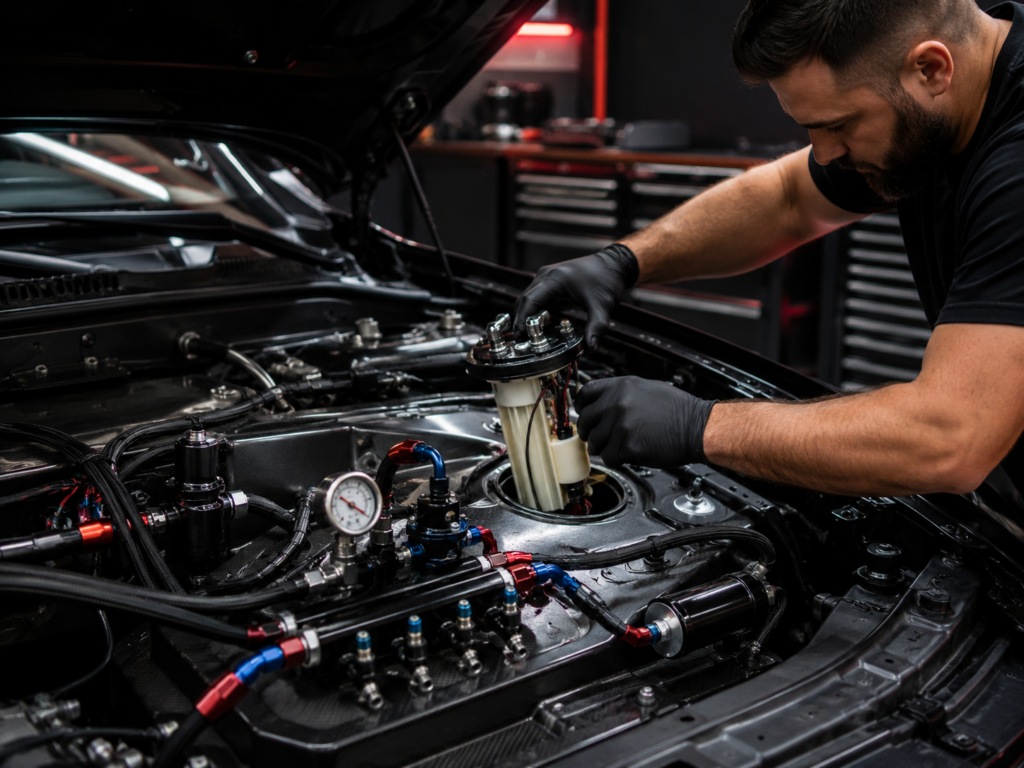
Possible fuel considerations include:
A vehicle tuned for a specific octane or ethanol content should not be operated with incompatible fuel.
The owner should understand:
Higher cylinder pressure can make ignition more demanding.
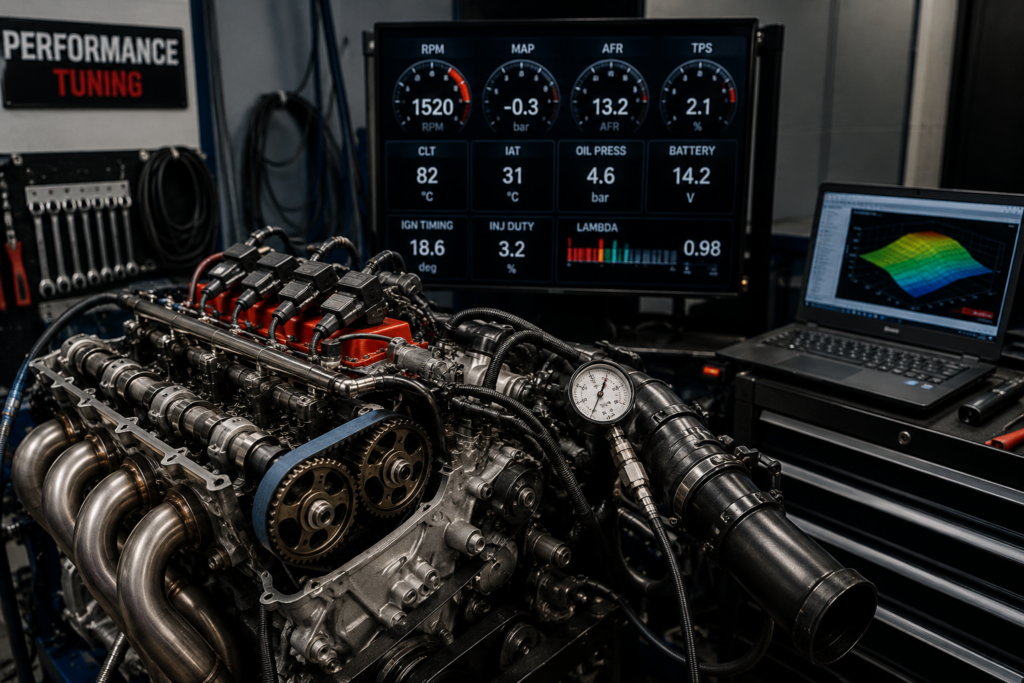
The ignition system may require evaluation of:
An ignition problem that is not noticeable during ordinary driving may appear under boost.
Misfire under load should be diagnosed rather than masked with calibration changes.
Forced induction creates additional heat in the intake air, engine, exhaust, oil, and transmission.
Cooling planning may include:
A larger radiator cannot compensate for poor airflow, inadequate fan control, trapped air, or incorrect coolant routing.
Street-driven vehicles should remain stable during:
Motorsport vehicles may require additional capacity for repeated or sustained operation.
Turbocharger and supercharger systems can affect exhaust requirements differently.
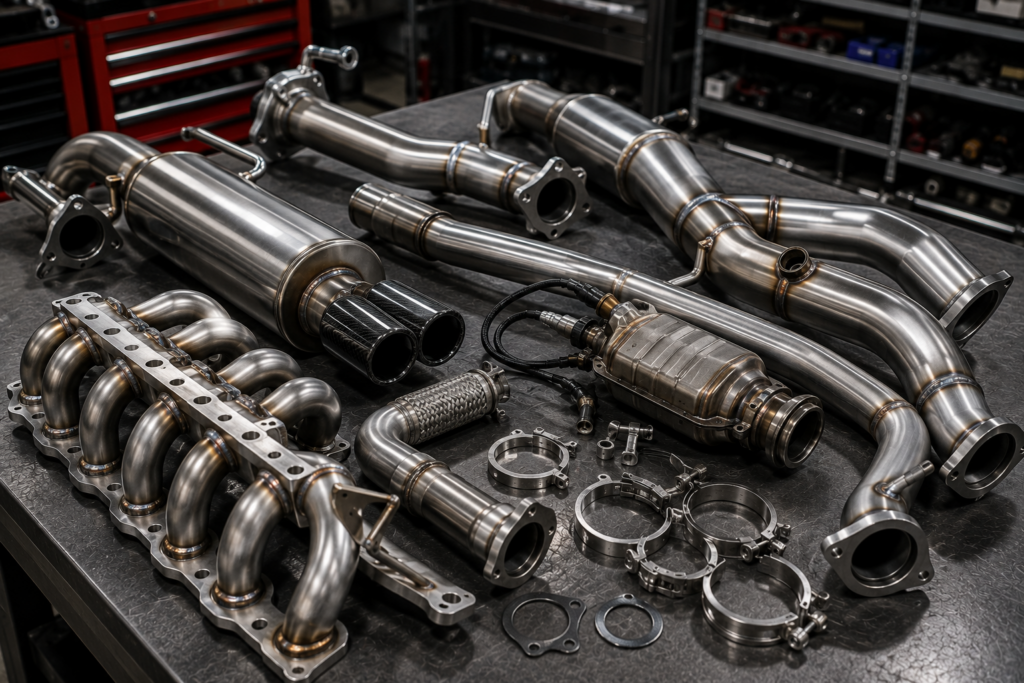
A turbocharged engine requires careful planning of:
A supercharged engine may require:
Pipe diameter should support the engine and output without creating unnecessary packaging, clearance, or noise problems.
Street-driven vehicles must retain all legally required emissions equipment.
Forced induction changes crankcase-ventilation requirements.
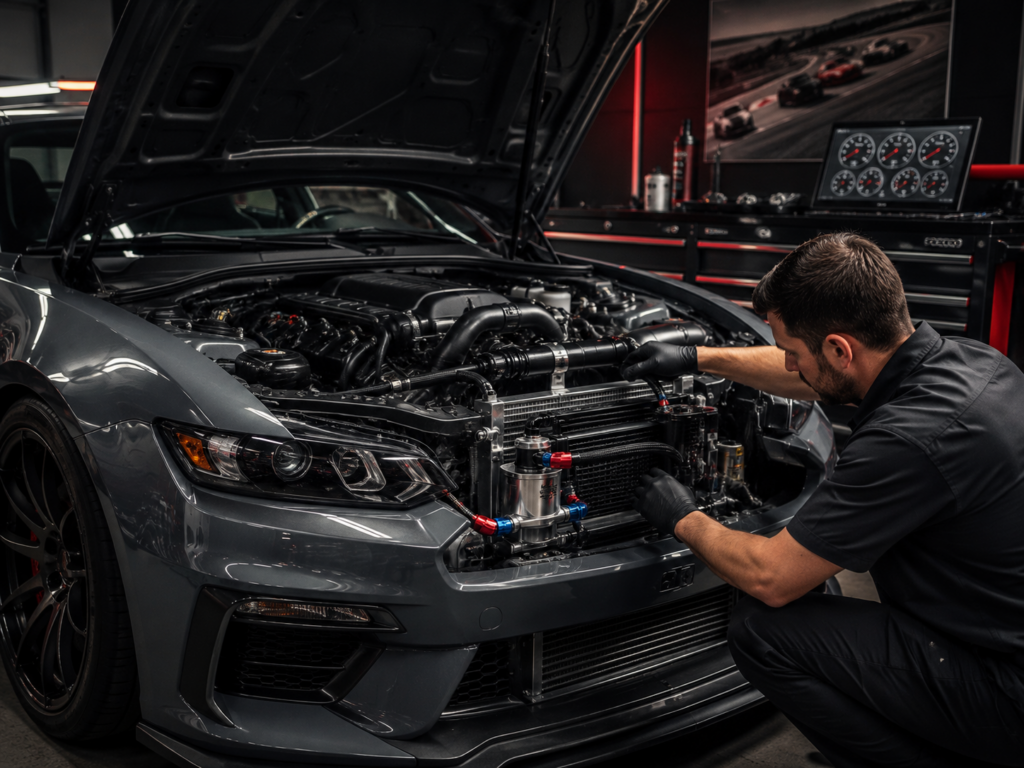
A system may need to manage:
An inadequate system can contribute to:
Crankcase ventilation should be designed for both vacuum and boost conditions.
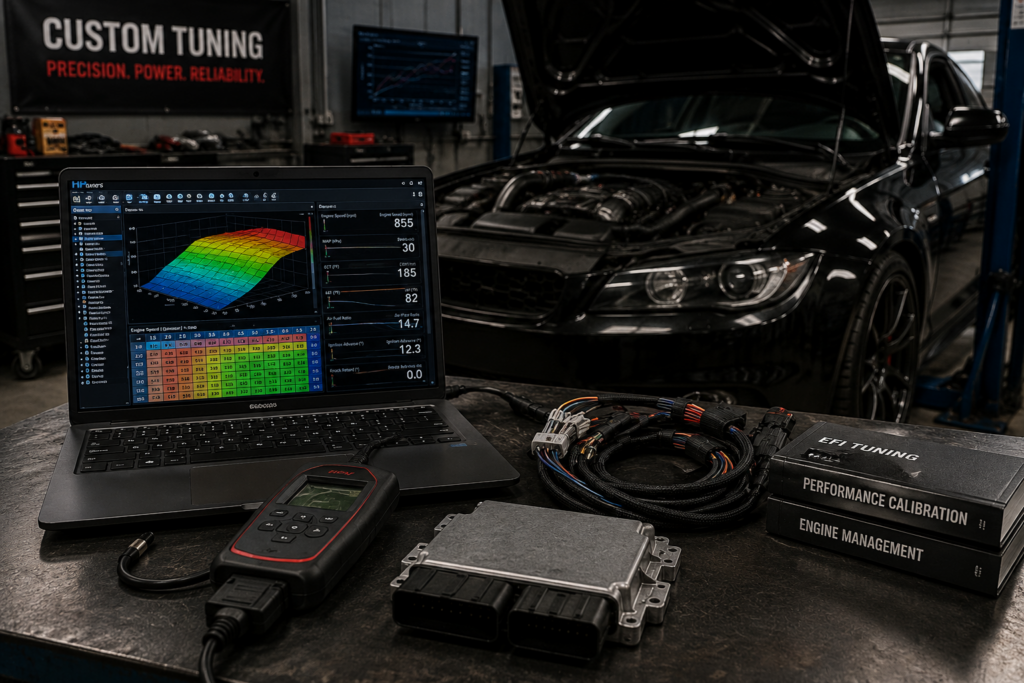
Forced-induction calibration may involve:
A calibration cannot compensate for:
Big South Performance’s publicly stated services include ECU tuning and motorsport engineering, making calibration an important component of evaluating a compatible forced-induction project.
The calibration should match the completed mechanical system and required fuel.
Additional torque places greater demand on the transmission and clutch or torque converter.
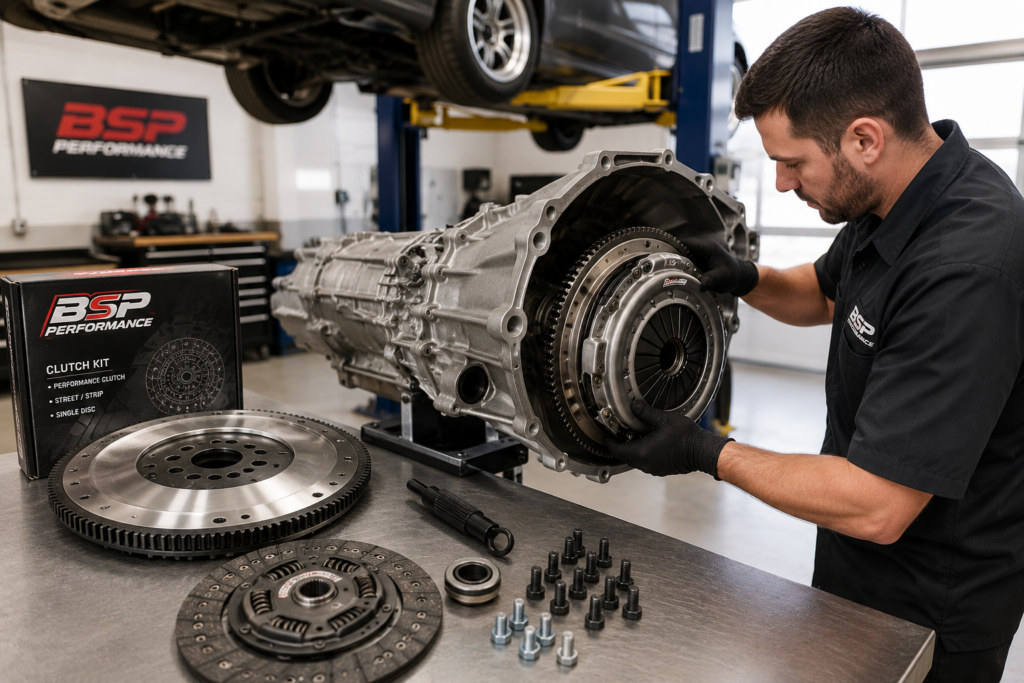
A forced-induction project may require evaluation of:
A clutch selected only by maximum torque rating may be difficult to drive smoothly on the street.
Transmission and clutch choices should consider:
The drivetrain must transfer increased torque to the wheels.
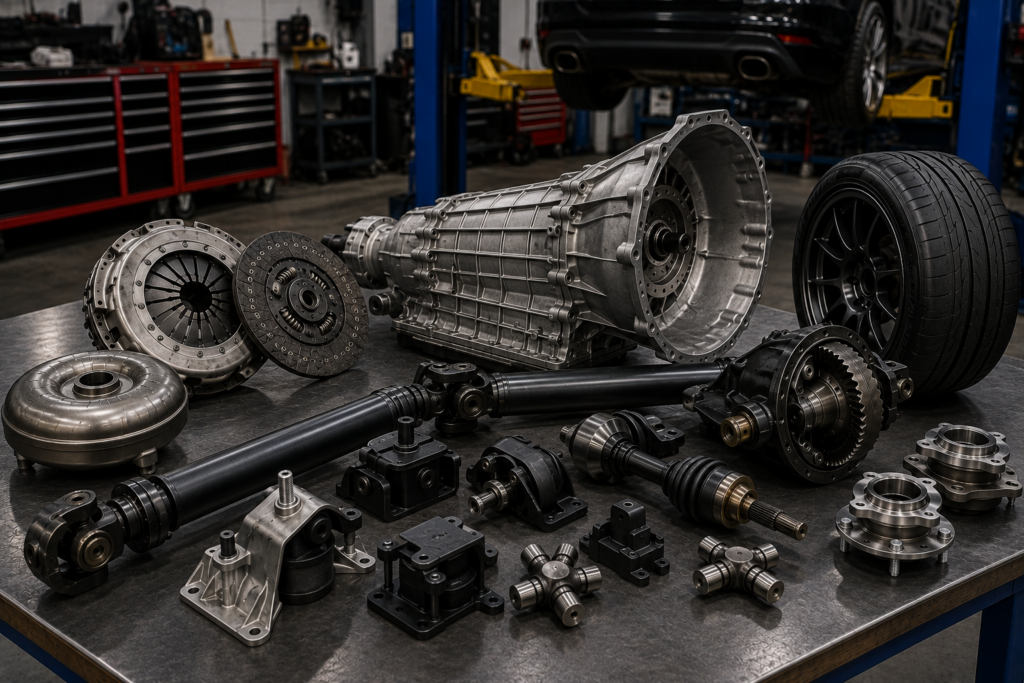
Potential areas of concern include:
A drivetrain may survive ordinary street use but fail during a hard launch or when higher-grip tires are installed.
Power goals should be evaluated alongside the complete drivetrain.
Additional power is useful only when the vehicle can apply it predictably.
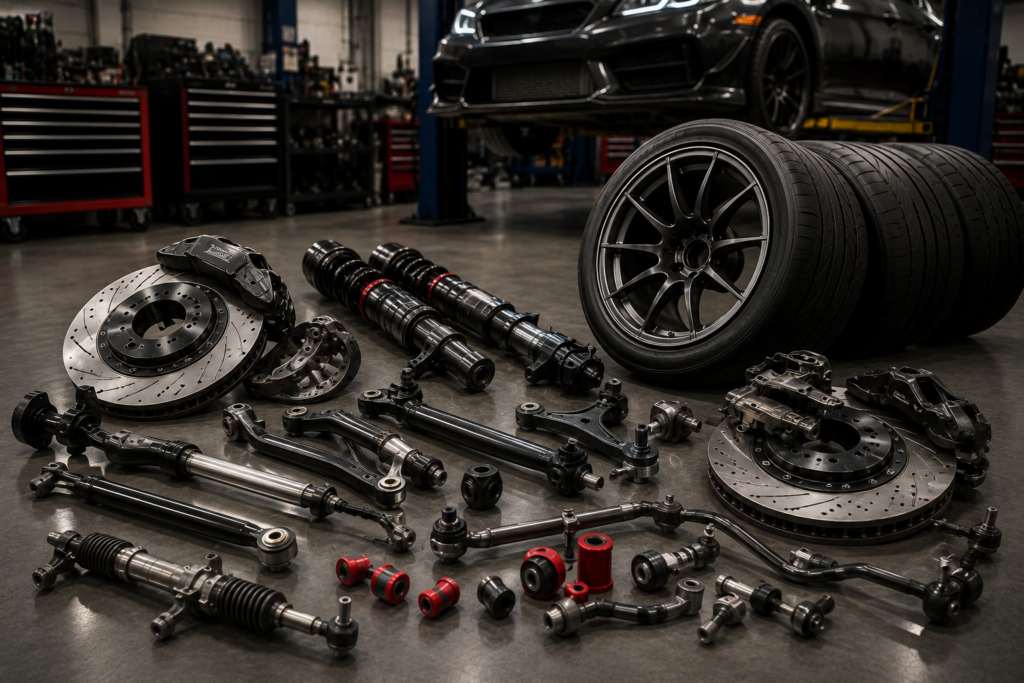
Traction planning may involve:
A high-output street vehicle may benefit from controlled torque delivery rather than maximum torque in every gear.
The suspension should support the intended use without making the vehicle unstable or unnecessarily uncomfortable.
More acceleration and speed increase the importance of braking.
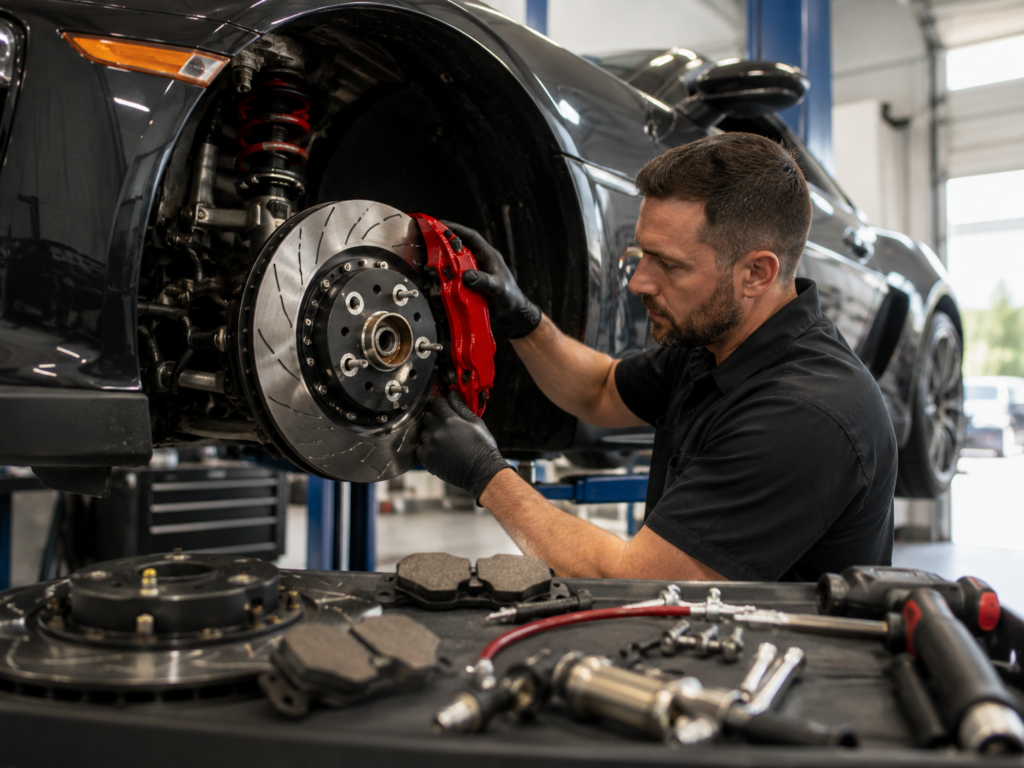
Brake-system evaluation may include:
A street vehicle needs predictable braking when cold and during everyday driving.
A motorsport vehicle may require greater thermal capacity and resistance to repeated high-speed stops.
A street-driven turbocharged or supercharged vehicle should be planned around:
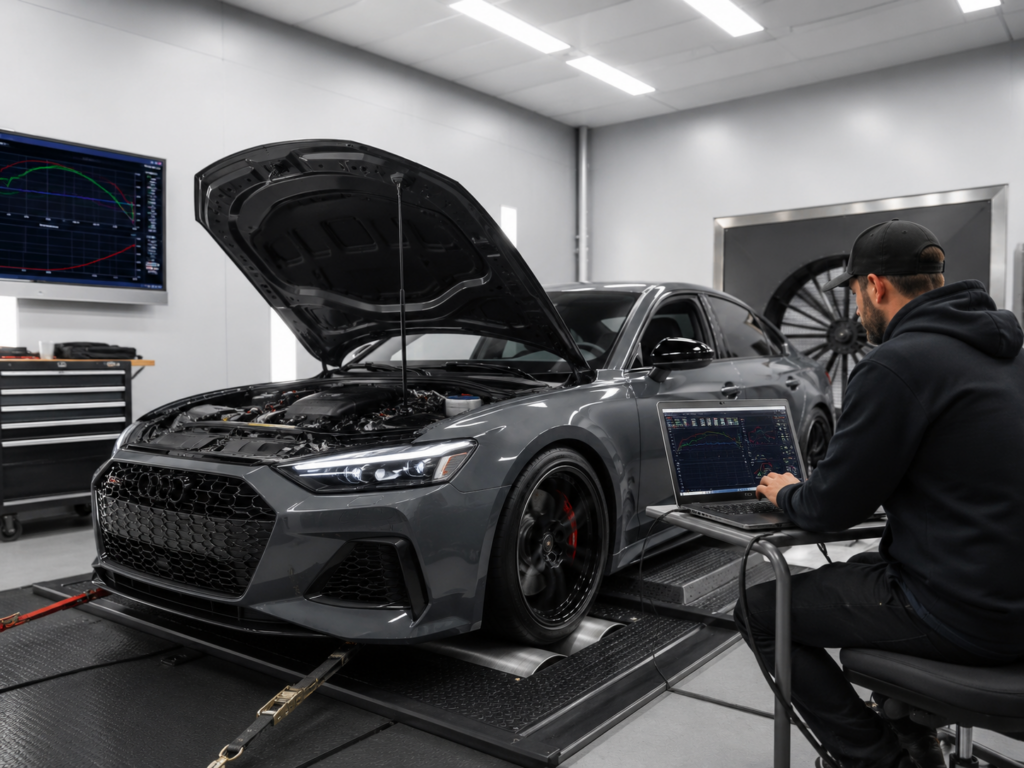
Street performance should be:
A system that produces strong full-throttle performance may still be unsuitable if it overheats, surges, stalls, or is difficult to operate in normal traffic.
A motorsport-focused build may require:
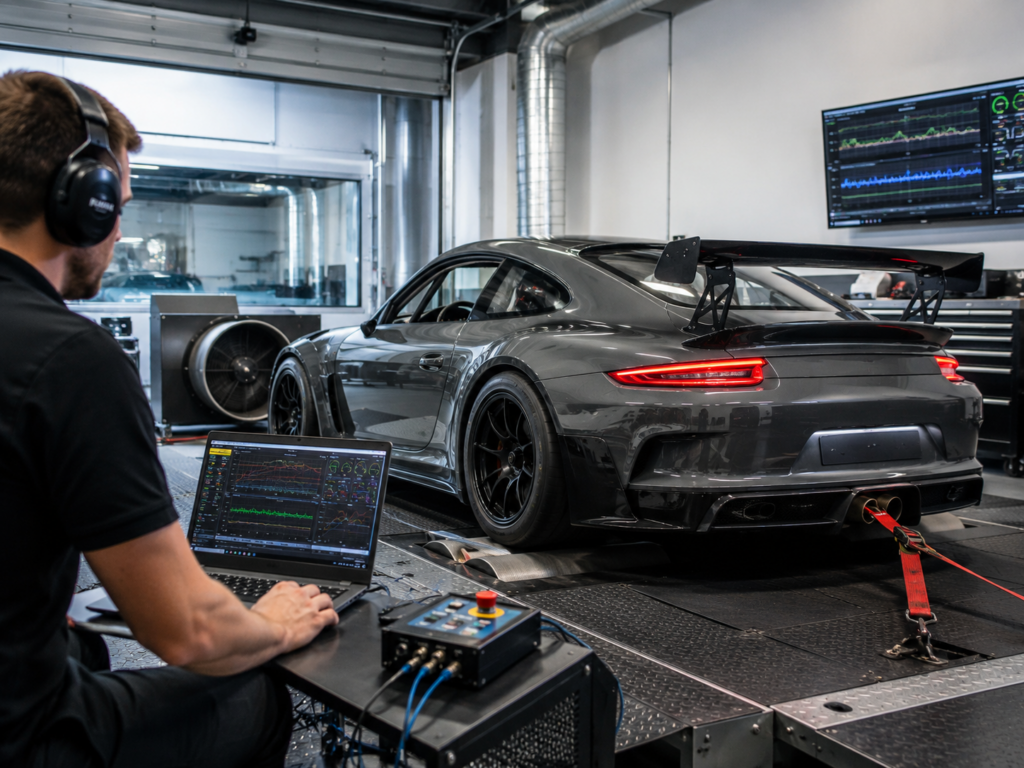
Drag racing, road-course driving, autocross, and other motorsports create different requirements.
A drag-oriented combination may prioritize:
A road-course combination may prioritize:
An autocross vehicle may benefit from:
The compressor and tuning strategy should support the intended competition environment.
A turbocharged or supercharged restomod requires coordination between modern performance systems and an older chassis.
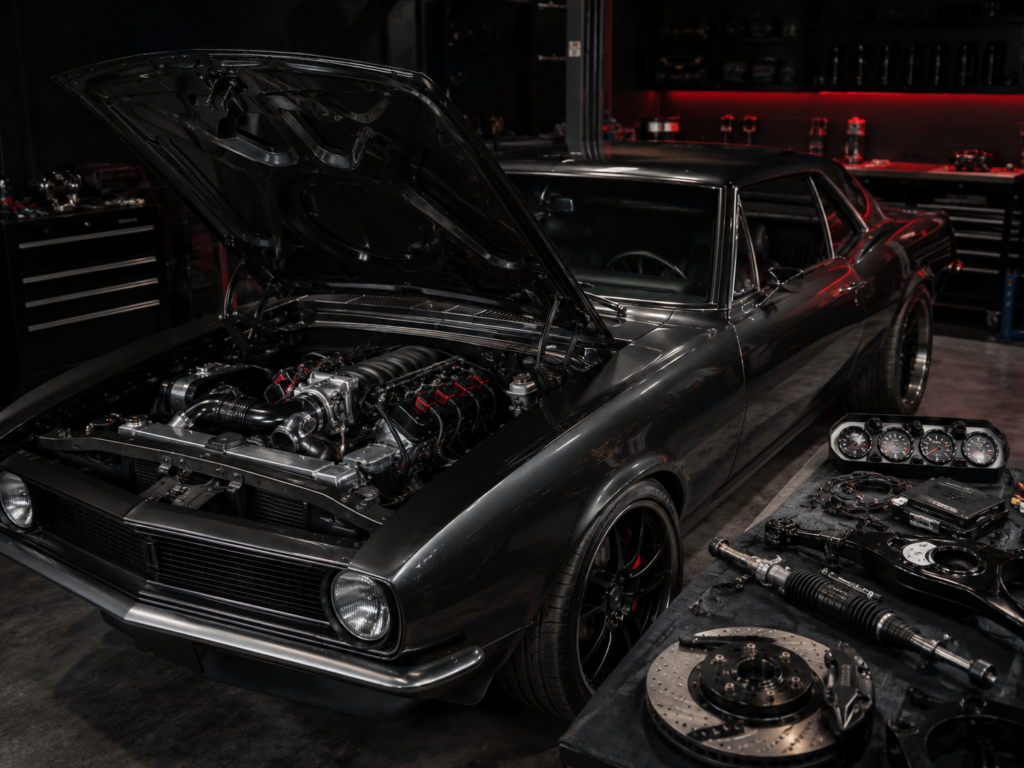
The project may also require:
The goal should be a classic vehicle that starts, drives, cools, shifts, stops, and responds as a complete system.
A compressor must match the engine displacement, powerband, vehicle weight, transmission, and intended use.
Boost increases cylinder pressure and can quickly expose existing engine problems.
Weak pumps, inadequate wiring, undersized injectors, and inconsistent fuel can create severe engine risk.
Hot compressed air can reduce performance and increase detonation risk.
Leaks and pipe separation can cause inconsistent boost and drivability problems.
Restricted or improperly routed drains can cause smoke, leaks, and turbocharger damage.
Poor wastegate sizing or placement can create unstable boost or boost creep.
Increasing compressor speed without addressing fuel, heat, belt traction, and calibration can damage the system.
Additional torque may exceed the capability of the clutch, transmission, driveshaft, differential, or axles.
A balanced vehicle must maintain traction, handle predictably, and stop safely.
Calibration cannot repair a fuel-supply problem, boost leak, weak ignition system, or damaged engine.
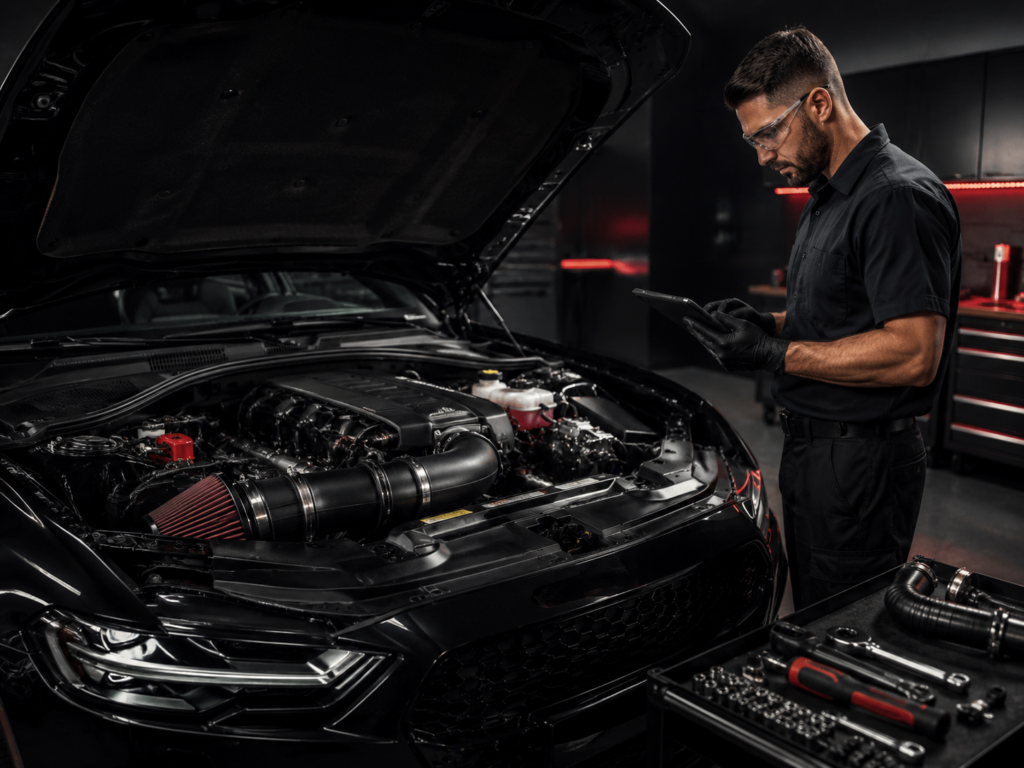
Determine:
Review:
Choose a turbocharger or supercharger approach based on:
Identify needed changes to:
Document:
Installation should account for:
Where applicable, check:
Calibration should match:
Verify:
The owner should understand:
Project cost depends on more than the turbocharger or supercharger kit.
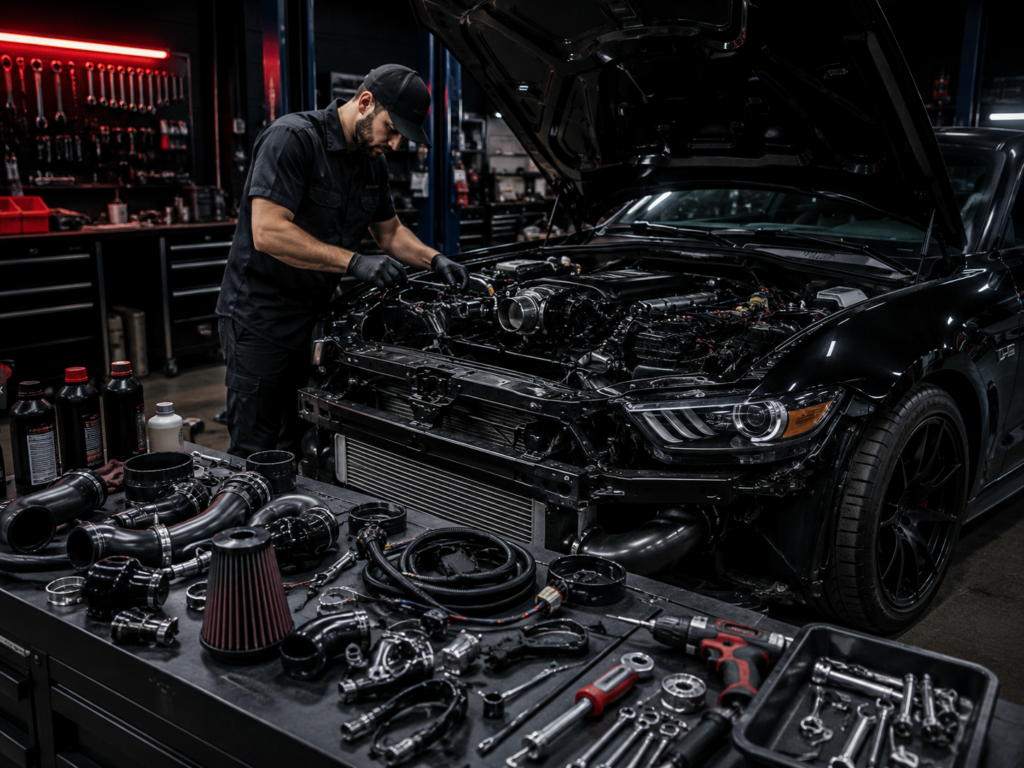
Major cost factors may include:
The most accurate estimate requires a defined vehicle, engine, power-adder system, output goal, parts list, and service scope.
Customer-supplied components may be evaluated, but compatibility and completeness must be confirmed.
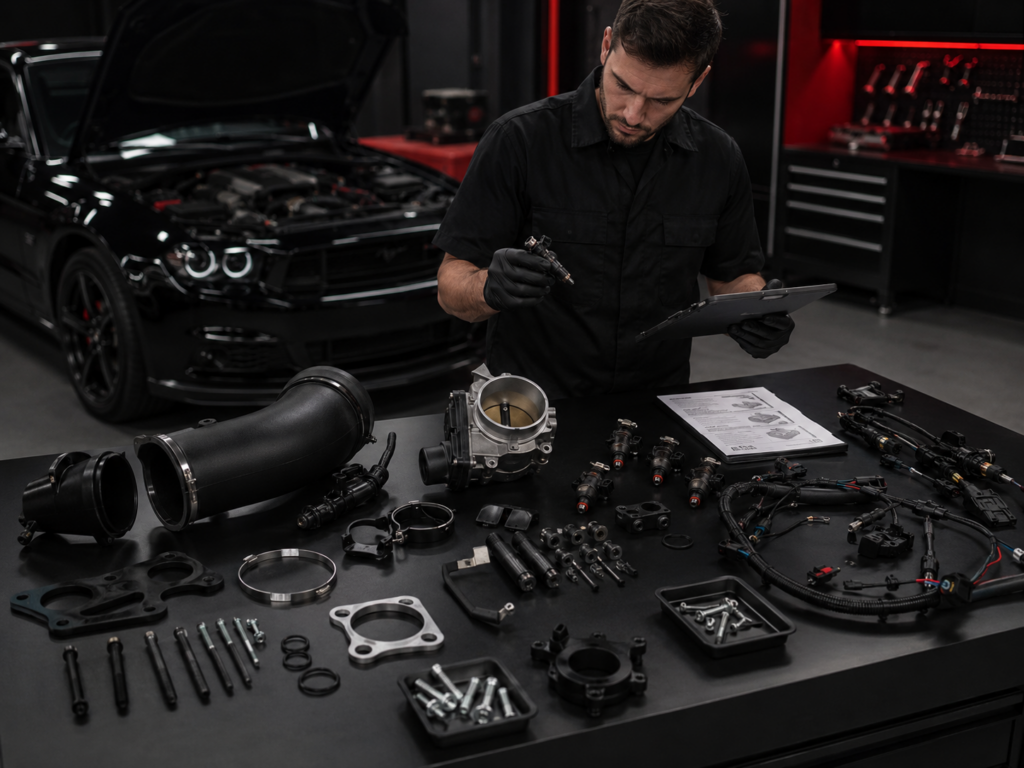
Common concerns include:
Before purchasing a kit, confirm:
A low-cost kit can become an expensive project if major components must be replaced or redesigned.
A turbocharged or supercharged vehicle can provide dependable performance when the entire combination is properly planned.
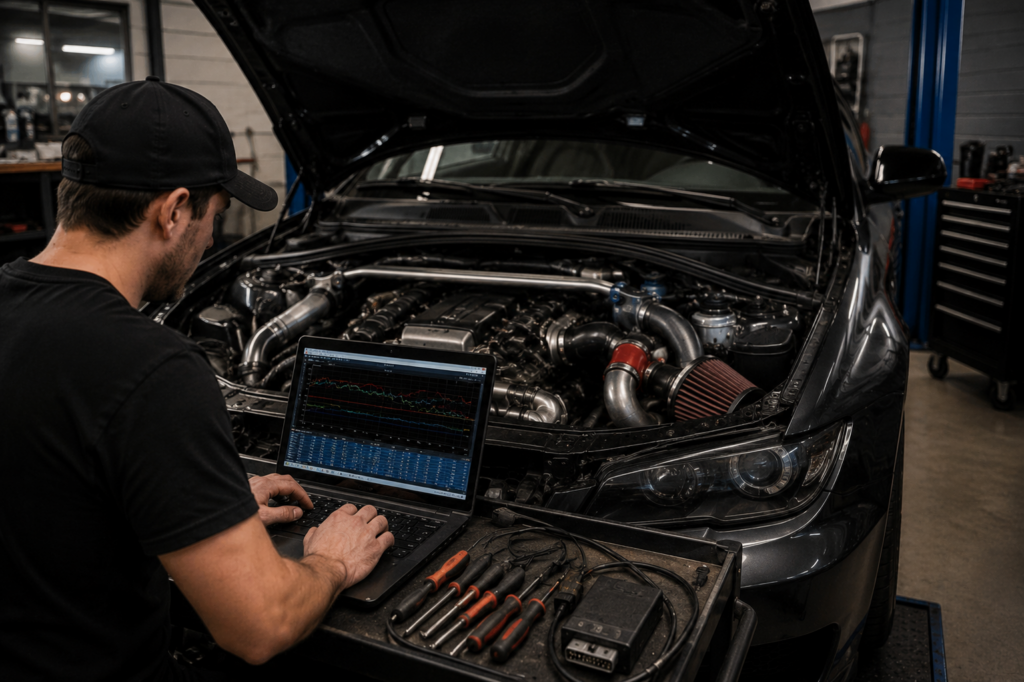
Reliability depends on:
Increasing engine output also increases stress and heat.
No modification can guarantee against mechanical failure. Owners should understand the relationship between power, operating limits, maintenance, and component life.
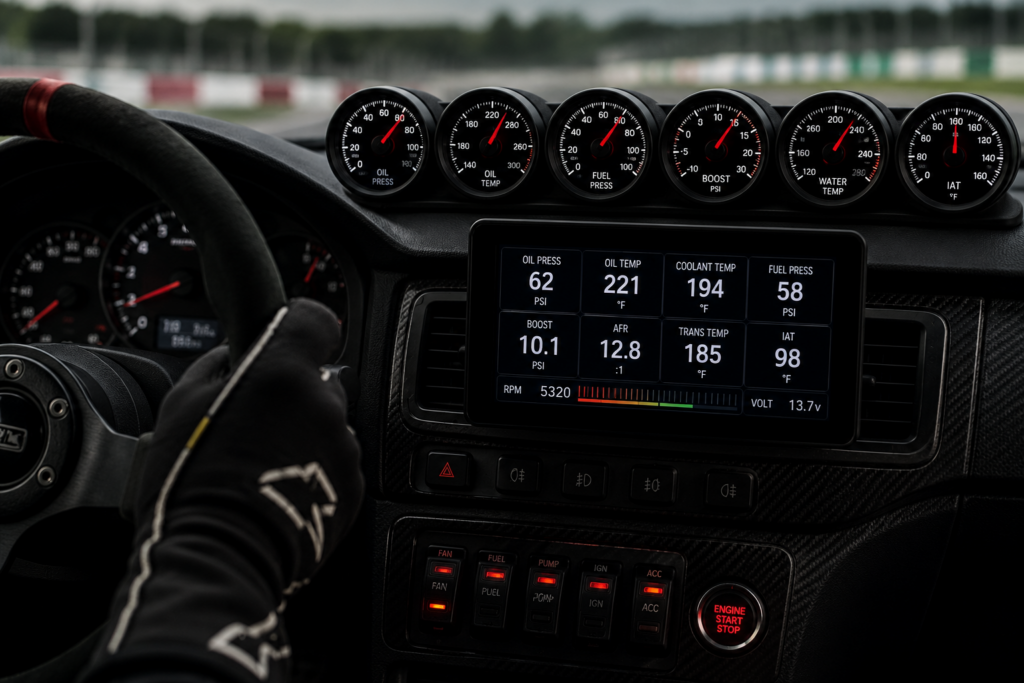
Maintenance needs may include:
Motorsport vehicles may require inspection based on passes, laps, events, or operating hours rather than mileage alone.
Turbocharger and supercharger modifications on street-driven vehicles must comply with applicable federal, state, and local requirements.
The U.S. Environmental Protection Agency’s vehicle and engine tampering policy addresses modifications that remove, bypass, defeat, or render required emissions-control systems inoperative.
North Carolina requires eligible vehicles to complete annual safety inspections. Eligible vehicles registered in designated counties may also require emissions inspections:
Vehicle owners should consider how a forced-induction project may affect:
Big South Performance does not recommend using software or hardware to conceal faults or defeat legally required emissions controls.
Current requirements should be verified before modifying a street-driven vehicle.

Big South Performance approaches forced-induction projects through its focus on ECU tuning, restomods, performance vehicles, and motorsport engineering.
The compressor, engine, fuel system, cooling, ECU, transmission, drivetrain, tires, and brakes must support the same goal.
A turbocharger or supercharger should be chosen according to the desired powerband, vehicle use, packaging, fuel, and supporting systems.
Modern forced-induction systems depend on proper fuel, ignition, throttle, boost-control, transmission, and protective strategies.
A street vehicle and competition vehicle require different priorities for response, heat management, fuel, maintenance, and power delivery.
A forced-induction project may be divided into logical stages so the fuel, cooling, drivetrain, and engine are prepared before boost is increased.
A responsible build focuses on usable power, temperature control, compatible systems, and owner goals rather than unsupported horsepower guarantees.
Big South Performance serves performance enthusiasts from Winston-Salem and surrounding communities, including:
Owners of modified street cars, muscle cars, imports, restomods, trucks, and motorsport vehicles may travel beyond their immediate community for specialized forced-induction planning and ECU integration.
Provide:
Do not purchase major components before confirming that the proposed system supports the complete vehicle.
Forced induction uses a turbocharger or supercharger to compress the air entering an engine. The additional airflow can support increased power when the fuel system, cooling, ignition, engine, drivetrain, and calibration are properly matched.
A turbocharger uses exhaust energy to drive its compressor. A supercharger is mechanically driven by the engine, commonly through a belt. Each system produces different response, packaging, heat, and power-delivery characteristics.
Neither is universally better. The correct choice depends on the engine, vehicle, intended use, desired powerband, available space, heat management, fuel, transmission, and budget.
Some stock engines can support compatible forced-induction systems at appropriate output levels. Engine condition, platform, boost, fuel, calibration, RPM, and intended use must be evaluated.
Most modern turbocharger and supercharger installations require calibration matched to the engine, injectors, fuel pressure, compressor system, boost control, exhaust, and fuel.
Possibly. Injector requirements depend on target output, fuel, fuel pressure, number of cylinders, and acceptable injector duty cycle.
Many forced-induction combinations require increased fuel-pump capacity. The pump, wiring, pressure, voltage, fuel type, and complete system must be evaluated.
Not every system is identical, but charge-air cooling is commonly important for managing intake temperature and performance. The correct solution depends on the compressor system, boost, packaging, and intended use.
Turbo response is influenced by compressor and turbine sizing, engine displacement, exhaust flow, gearing, vehicle load, piping, tuning, and operating RPM.
Boost creep occurs when boost rises beyond the intended target because the wastegate system cannot bypass enough exhaust flow. Wastegate sizing, placement, exhaust design, and control strategy can influence it.
A pulley change may increase compressor speed and boost, but it can also increase heat, belt slip, fuel demand, and engine stress. Supporting systems and calibration must be evaluated first.
Many turbochargers use engine oil for lubrication. Oil-feed pressure, line size, drainage, crankcase pressure, and heat management must be correct.
Additional torque may exceed the capacity of the clutch, transmission, converter, driveshaft, differential, or axles. The drivetrain should be evaluated before finalizing the output target.
They may be strongly recommended based on vehicle weight, original brake capability, increased speed, tire grip, and intended use.
Yes, when the engine, compressor system, fuel, cooling, ignition, drivetrain, and calibration are properly matched and maintained.
There is no universal figure. Results depend on the engine, compressor, boost, airflow, fuel, cooling, exhaust, calibration, drivetrain, and testing method.
Customer-supplied components may be evaluated. Compatibility, condition, completeness, tuning support, and supporting requirements must be confirmed before a project scope is established.
An incomplete or previously modified project may be evaluated. Existing installation, fuel system, cooling, charge piping, exhaust, wiring, boost control, and calibration must first be understood.
Street-driven modifications must comply with applicable federal emissions law and North Carolina safety, registration, and emissions-inspection requirements.
It is generally better to establish the complete build plan first. A kit may not match the exact engine, transmission, ECU, fuel system, vehicle packaging, or intended use.
A successful turbocharger or supercharger project begins with a complete plan—not simply a compressor purchase.
Contact Big South Performance to discuss your vehicle, engine, existing modifications, proposed power adder, intended fuel, driving goals, budget, and long-term build direction.
Big South Performance serves Winston-Salem, Forsyth County, and the surrounding Piedmont Triad with performance-focused forced-induction planning, ECU tuning, restomod development, and motorsport engineering.
Tell us what you drive, how you use it, and what you want the finished vehicle to accomplish.