
Big South Performance helps performance enthusiasts plan and develop compatible LS engine swap projects in Winston-Salem, Forsyth County, and communities throughout the Piedmont Triad.
An LS swap involves much more than installing an engine between the frame rails. The engine, transmission, mounts, wiring, ECU, fuel system, cooling system, exhaust, accessory drive, driveshaft, differential, suspension, brakes, gauges, and supporting electronics must function as one coordinated vehicle.
Big South Performance approaches LS swaps as complete powertrain-integration projects. Before recommending a build direction, we consider the vehicle platform, proposed LS engine, transmission, intended use, desired performance, fuel, supporting systems, legal requirements, budget, and long-term plans.
Whether you are modernizing a classic muscle car, building an LS-powered truck, developing a restomod, or planning a performance-focused street or motorsport vehicle, the project should begin with a complete plan.
Contact Big South Performance to discuss your vehicle, proposed LS powertrain, existing components, intended use, and performance goals.
GM’s LS-based engine family has become a popular choice for performance conversions because of its compact architecture, broad aftermarket support, available factory configurations, and potential for naturally aspirated or forced-induction performance.
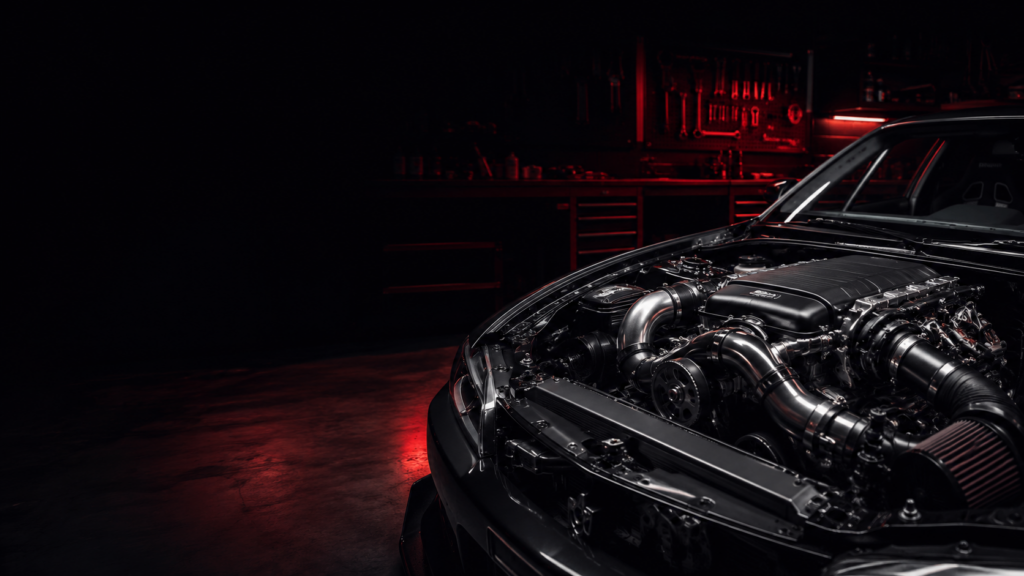
However, the popularity of the LS platform does not make every conversion simple.
A complete LS swap may require planning and integration involving:
Not every project requires every service listed above. Each system should still be evaluated before major components are purchased.
An LS swap is the installation and integration of a GM LS-based engine into a vehicle that was not originally equipped with that specific powertrain.
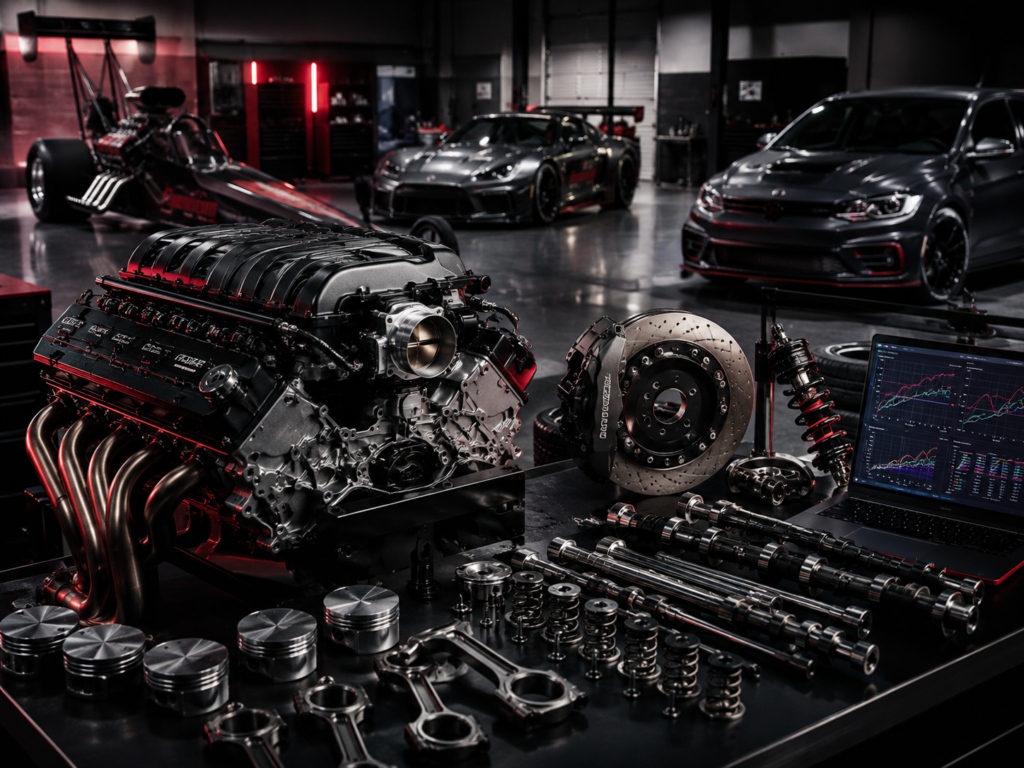
The recipient vehicle may be:
The project may use a factory LS engine, a rebuilt engine, a crate engine, or a custom performance combination.
A completed LS swap must address far more than engine fitment. The new powertrain must receive the correct fuel, electrical power, cooling, airflow, lubrication, exhaust flow, electronic control, and drivetrain support.
A vehicle that starts and moves is not necessarily a fully integrated or dependable LS conversion.
LS engines are frequently considered for swaps because the platform may offer:
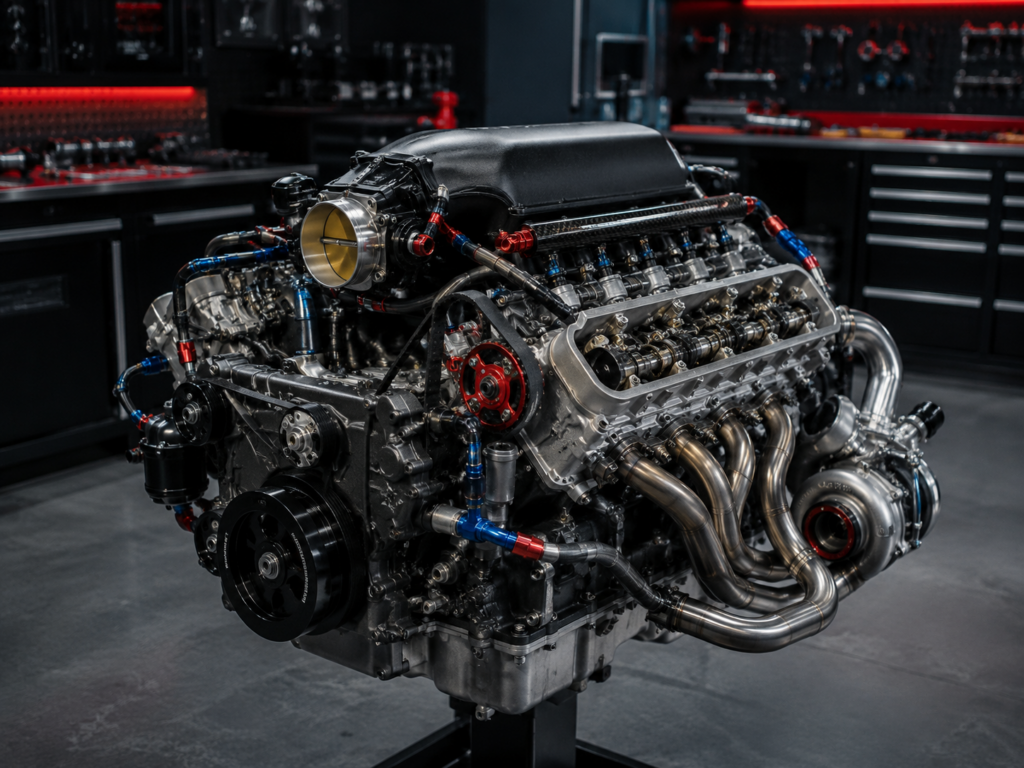
The LS platform can be used in mild street builds, restomods, higher-output vehicles, and competition applications.
That flexibility does not mean every LS engine is suitable for every vehicle. Engine dimensions, accessory placement, oil-pan design, electronics, transmission, power target, vehicle weight, and legal requirements must all be considered.
Selecting the engine is one of the most important decisions in an LS swap.
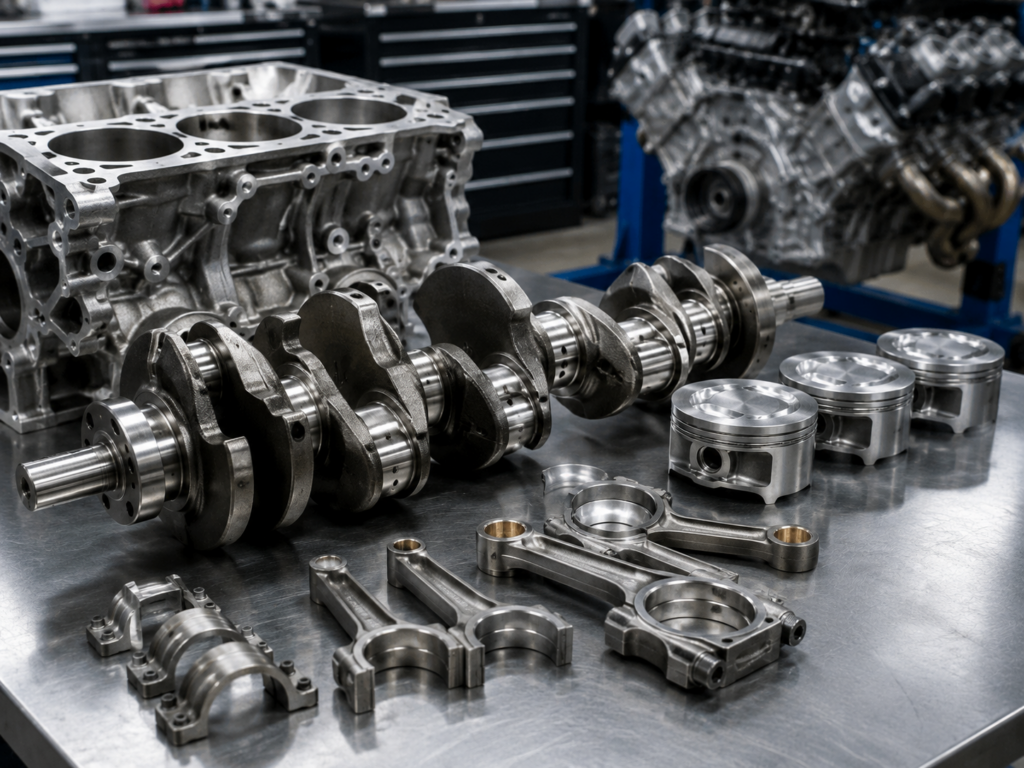
An engine should be chosen according to the vehicle and project—not simply because it is available or advertised at an attractive price.
Important considerations include:
Common LS-based configurations differ significantly in electronics, accessories, sensors, intake design, fuel requirements, and control systems.
Before purchasing an engine, confirm the exact engine identification and what components are included.
LS engines may use iron or aluminum blocks, depending on the application.
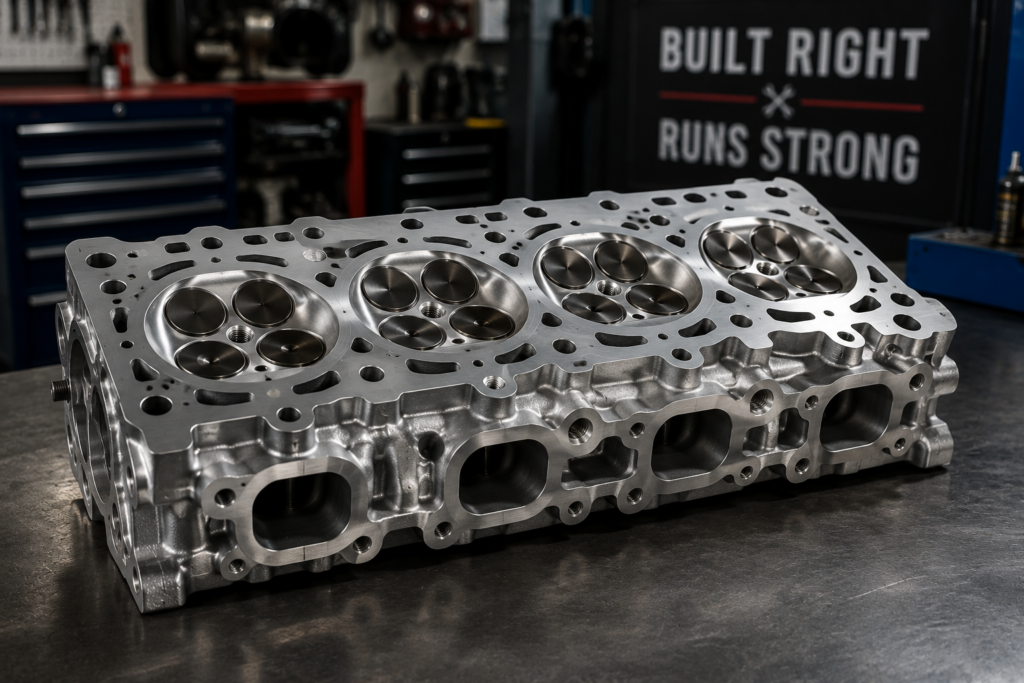
An iron block may offer:
Potential disadvantages may include:
An aluminum block may offer:
Potential considerations include:
Block material alone should not determine the engine choice. Condition, displacement, intended power, vehicle balance, budget, and complete configuration also matter.
Many LS swap projects use engines originally installed in trucks or sport utility vehicles.
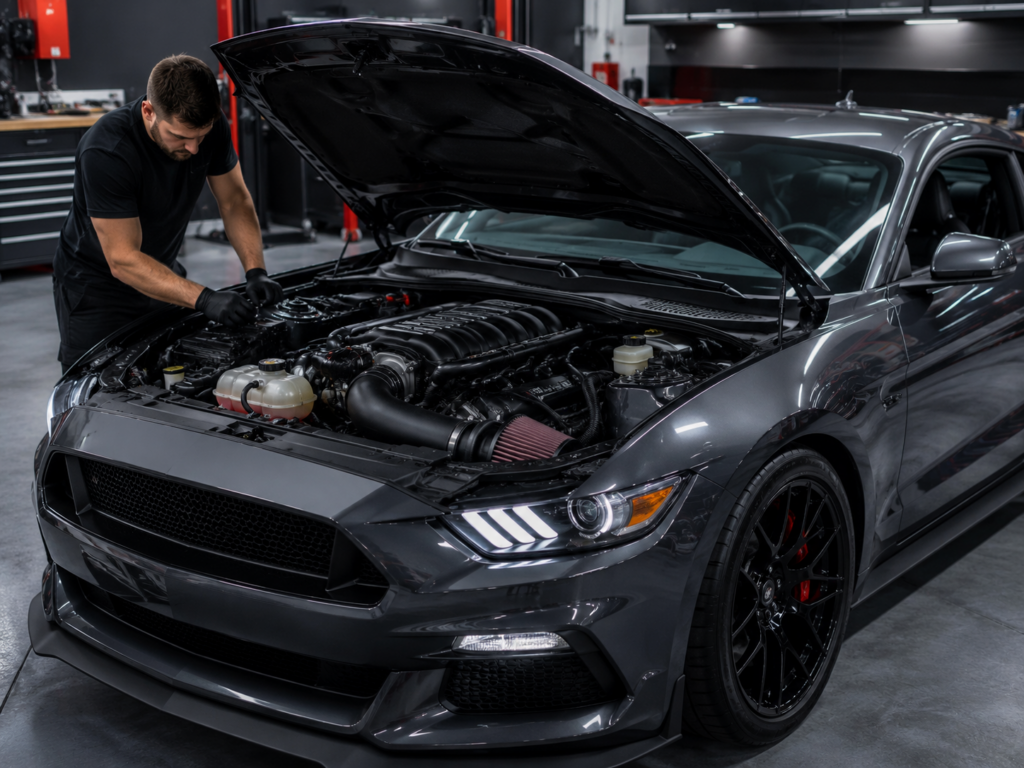
Truck-based engines may provide an accessible foundation, but they can differ from car-based engines in several ways:
A truck intake may create hood-clearance problems in a lower car. Truck accessories may interfere with the frame or steering. The oil pan may not clear the crossmember.
Choosing a truck engine does not automatically make the overall swap less expensive. Required changes to the intake, accessories, oil pan, wiring, fuel system, and exhaust can affect the final project cost.
Different generations of GM small-block technology use different sensors, control systems, crankshaft signals, camshaft signals, throttle systems, fuel systems, and transmission strategies.
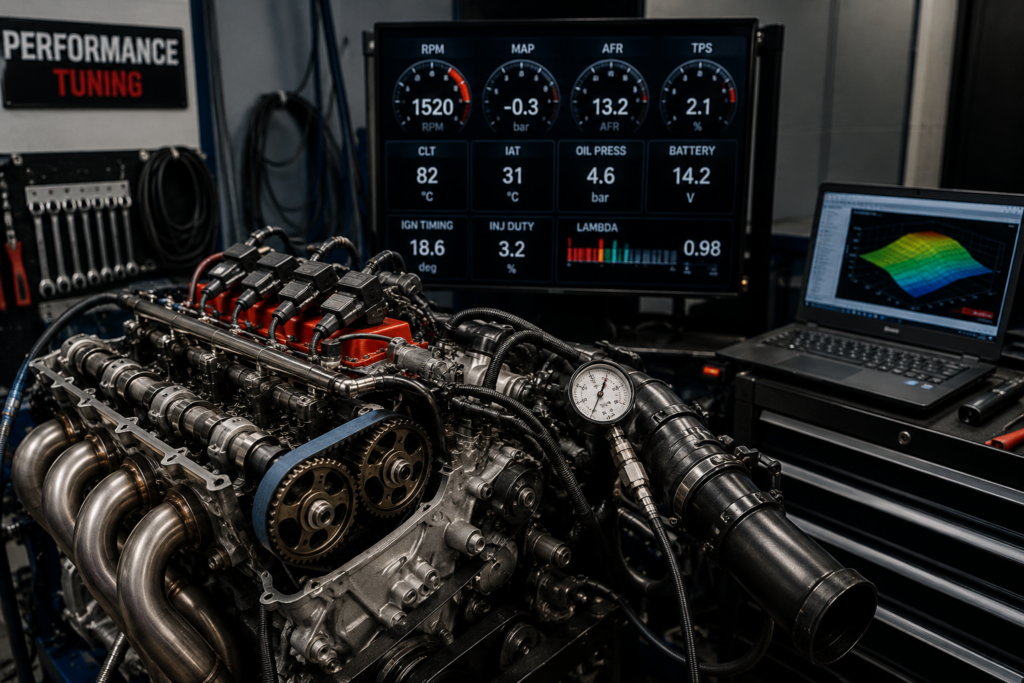
Generation differences may affect:
Components from different generations should not be assumed to work together without verification.
Mixing an engine, ECU, wiring harness, throttle body, and transmission from unrelated applications can create additional complexity.
The powertrain should be selected as a compatible system whenever possible.
Used LS engines can have incomplete or unknown service histories.
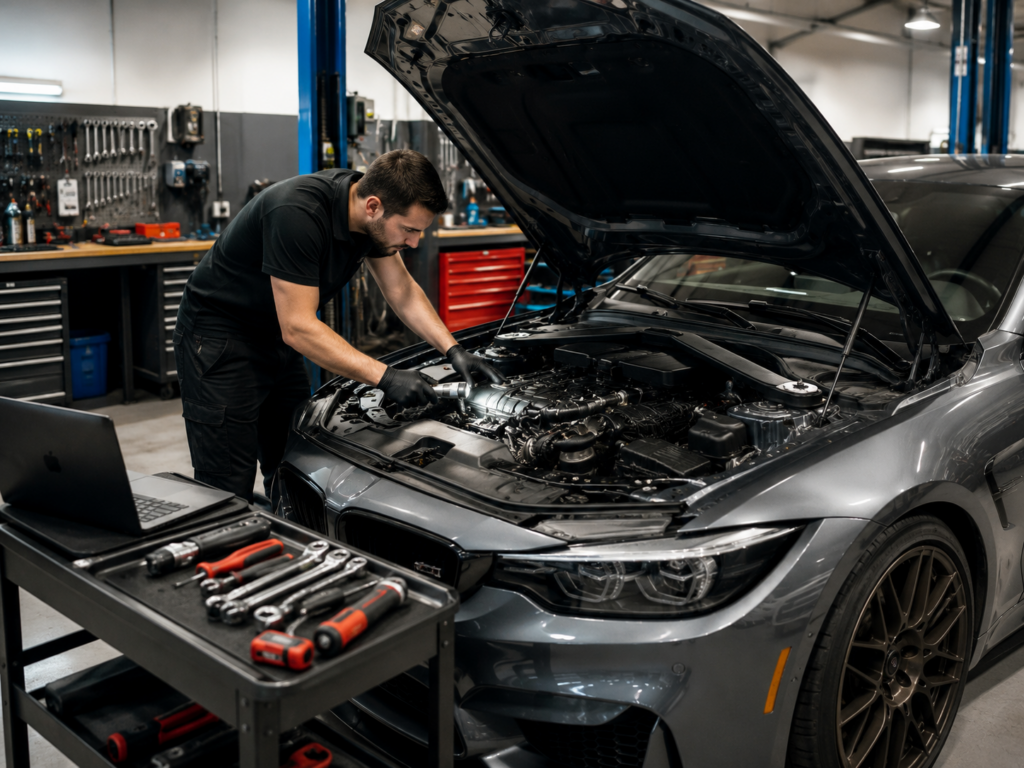
Before installation, evaluation may include:
No inspection can guarantee the remaining life of a used engine.
Installing an unknown engine without evaluation may result in paying for the same removal, installation, wiring, plumbing, and calibration work twice if the engine develops a major problem.
Not every donor LS engine needs a complete rebuild.
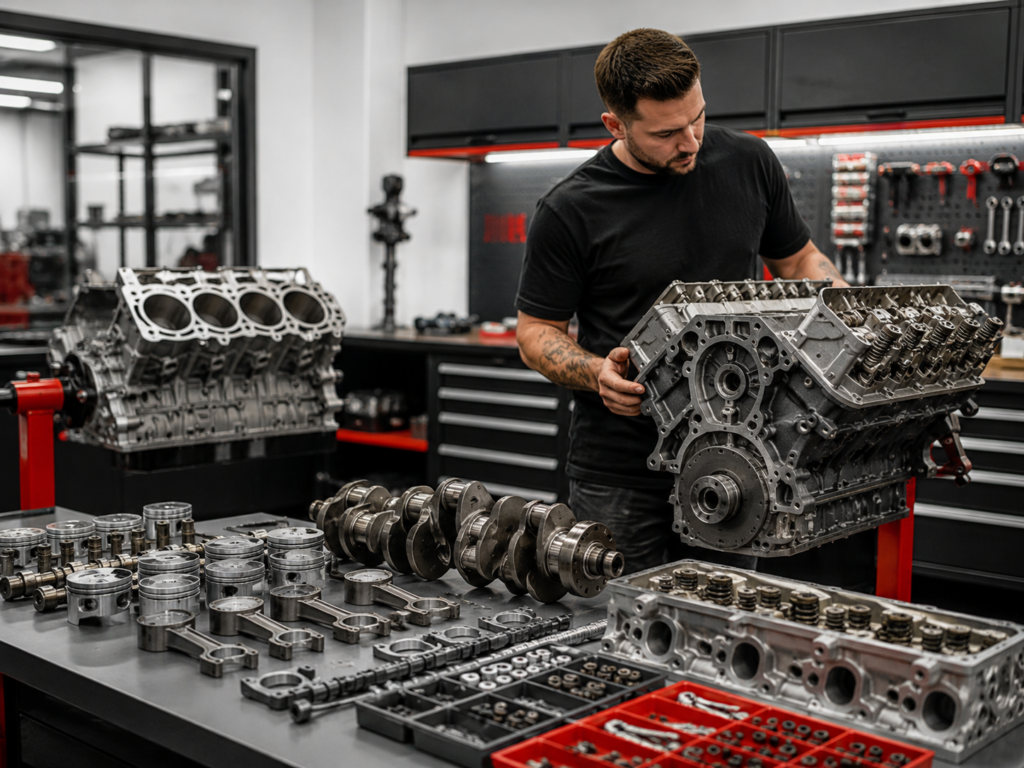
The appropriate scope depends on:
A refresh may involve selected maintenance or replacement items based on inspection.
A more extensive performance build may involve:
Parts should not be replaced or upgraded without a defined reason.
A stock or mildly modified engine in good condition may be appropriate for one build, while a higher-output motorsport application may require a much stronger internal combination.
The transmission must be selected with the engine, vehicle, torque output, gearing, intended use, and electronic controls in mind.
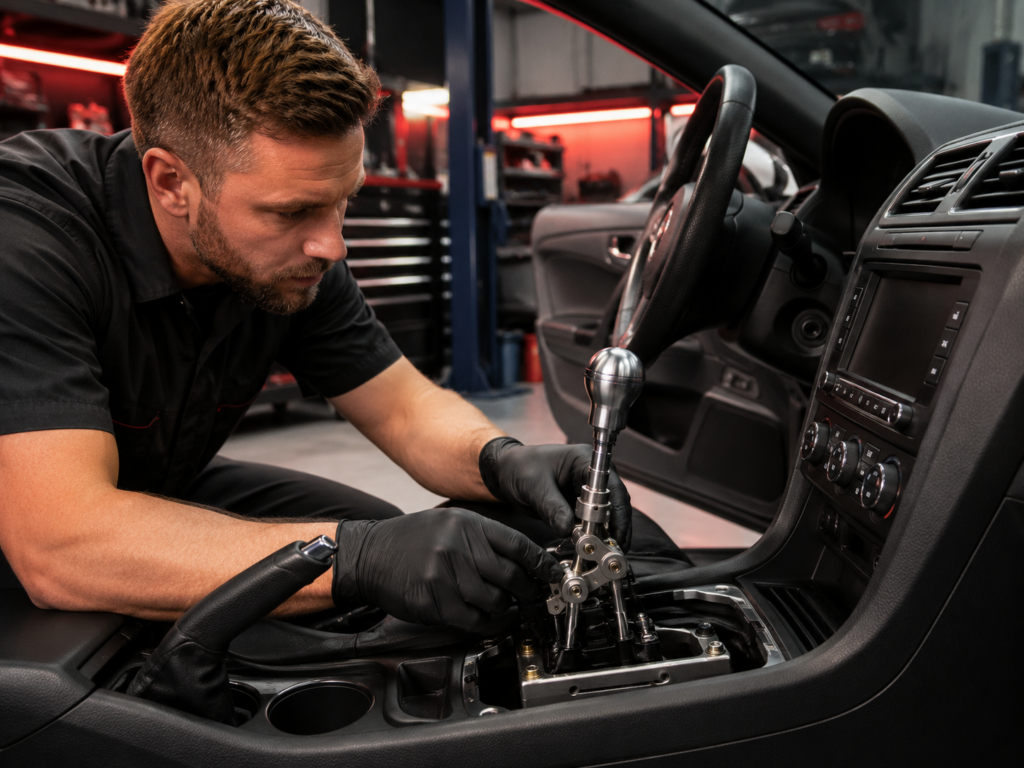
Possible transmission categories include:
Important considerations include:
A transmission that bolts to the engine is not automatically suited to the vehicle or projected power level.
An electronically controlled automatic transmission may require coordination between:
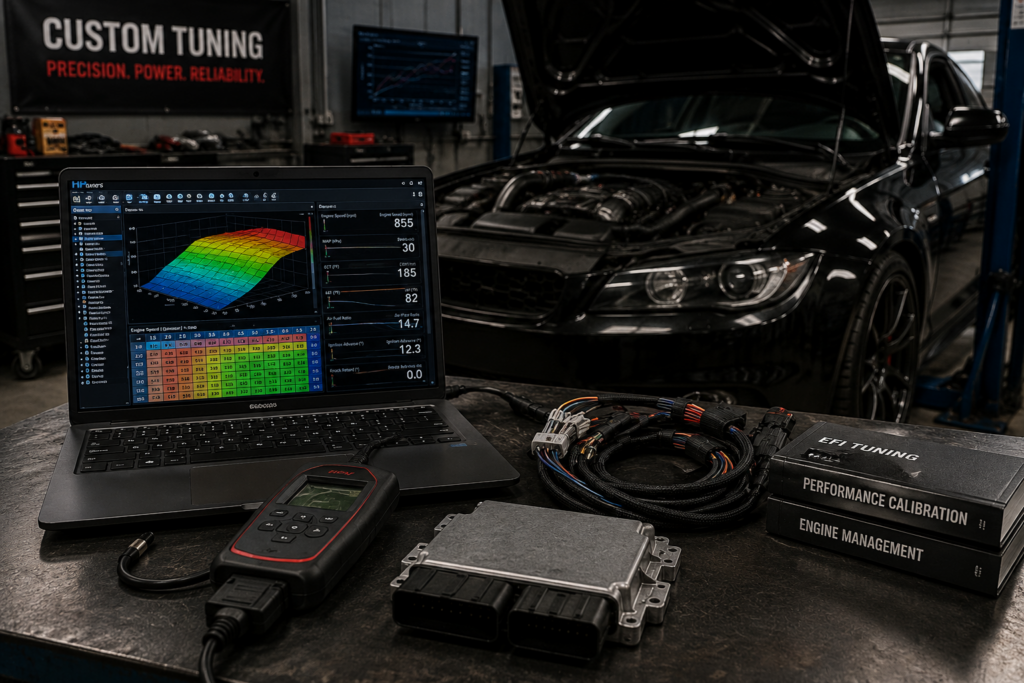
Transmission calibration can affect:
Aggressive shift settings should not be used to conceal worn or damaged transmission components.
Transmission cooling should also be considered, especially in high-output, heavy, or frequently driven vehicles.
A manual-transmission LS swap may require:
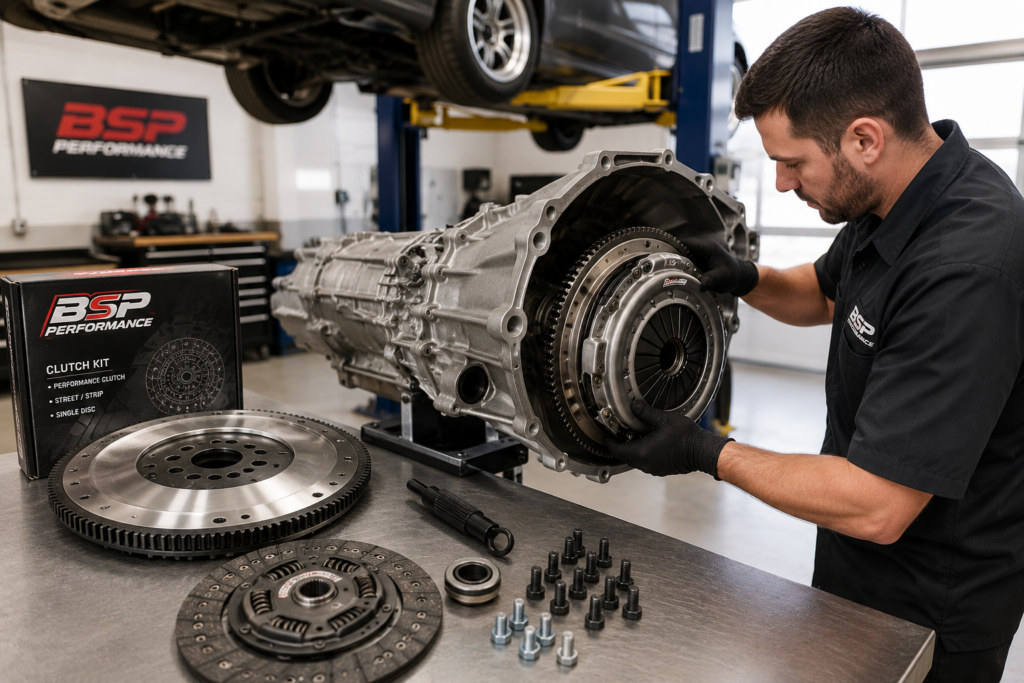
Clutch selection should account for engine torque, vehicle weight, tire grip, street comfort, and intended use.
A highly aggressive clutch may hold substantial torque but make a street vehicle difficult to drive smoothly.
Correct powertrain placement affects nearly every other part of the conversion.
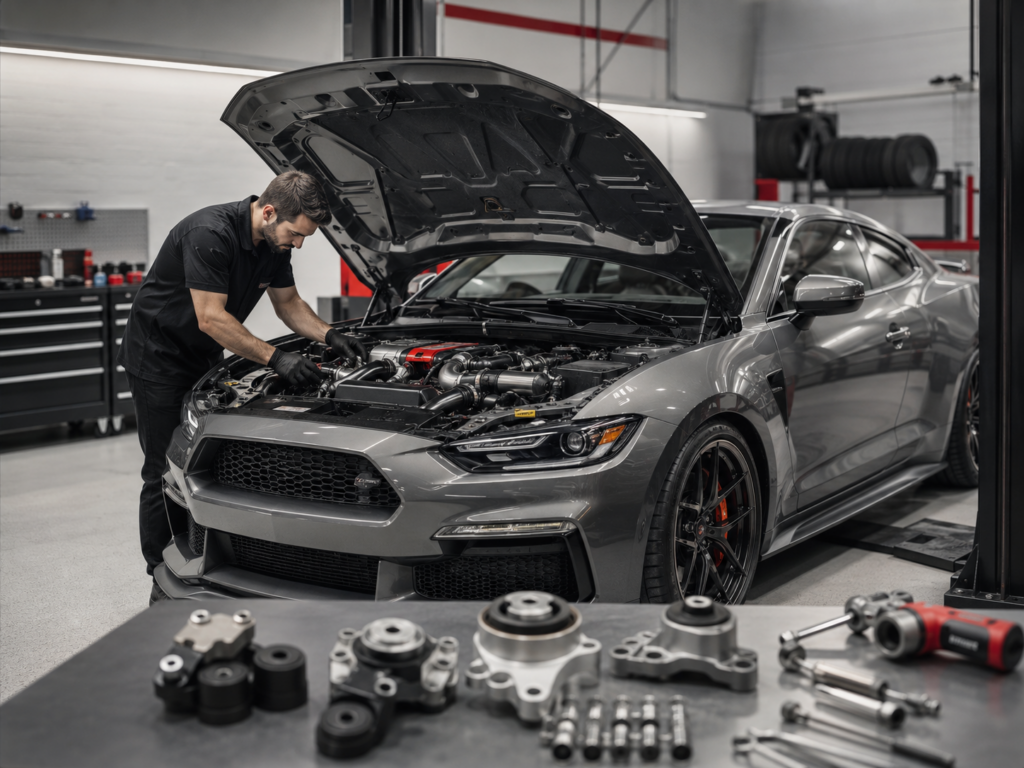
Engine and transmission positioning influences:
Mounting the engine too high may create hood and handling problems. Mounting it too low may reduce oil-pan or crossmember clearance. Moving it too far forward may affect weight distribution and fan clearance.
A mock-up process should confirm the position before final components are installed.
Oil-pan clearance is a common LS swap challenge.
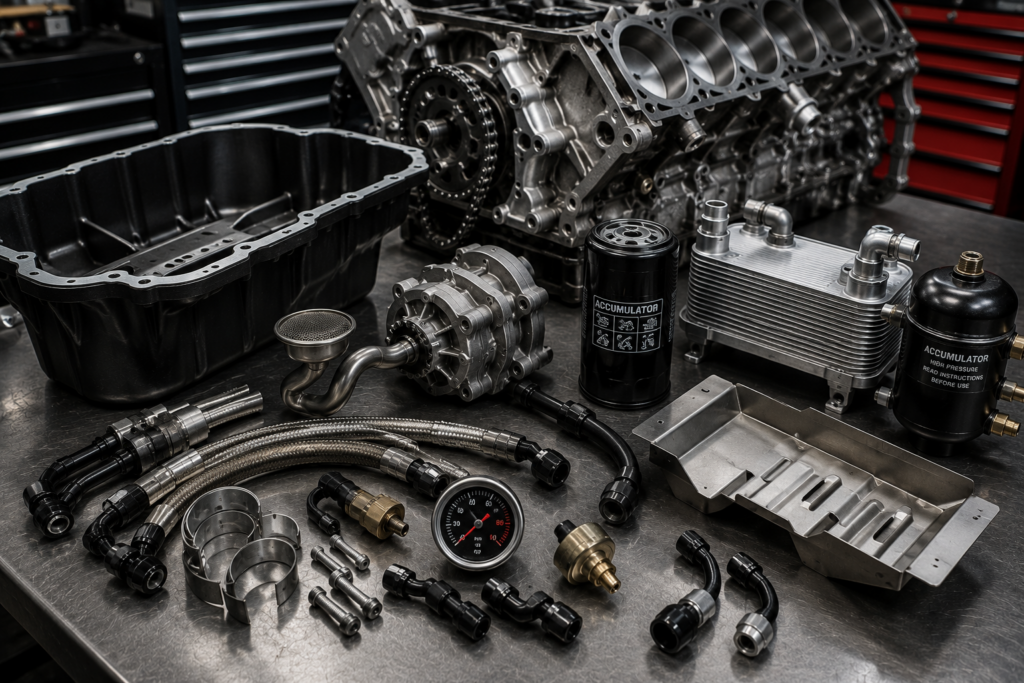
The pan may interfere with:
An appropriate LS swap oil pan must provide both physical clearance and correct oil control.
Important factors include:
A road-course, autocross, or drag vehicle may require additional oil-control planning beyond what is adequate for ordinary street driving.
LS accessory drives vary among vehicle applications.
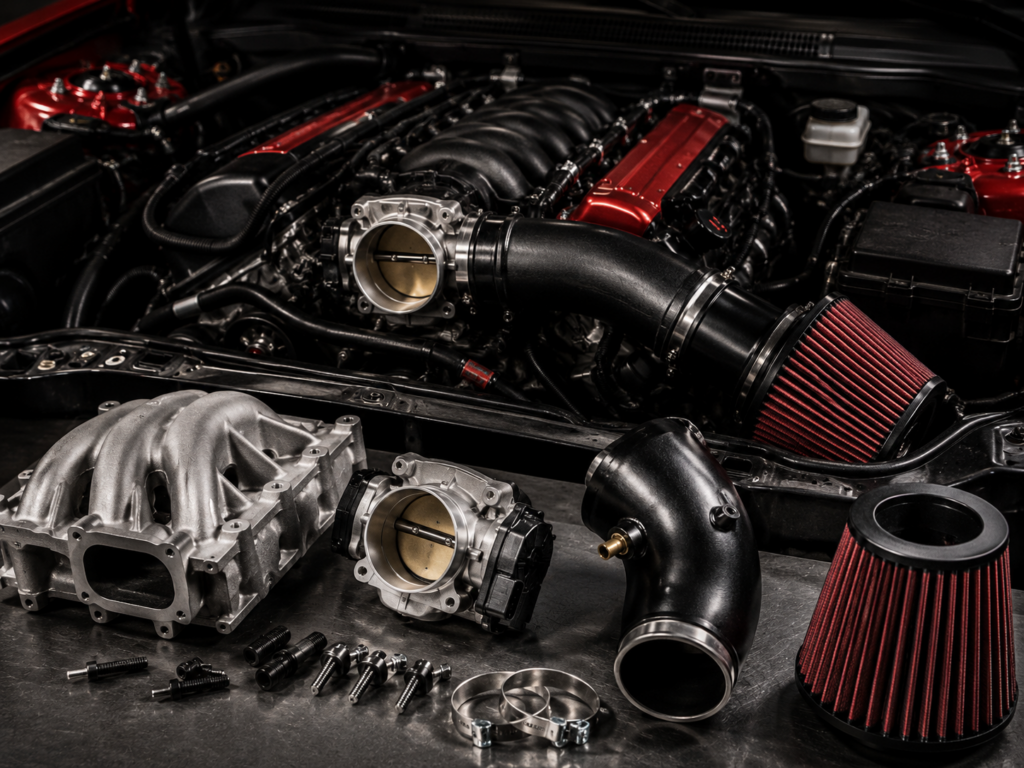
The accessory system may include:
Accessory-drive spacing affects:
Mixing brackets, pulleys, water pumps, and accessories from different systems can create misalignment.
The accessory arrangement should be selected before finalizing engine placement, radiator location, and plumbing.
Modern engine swaps depend on reliable wiring.
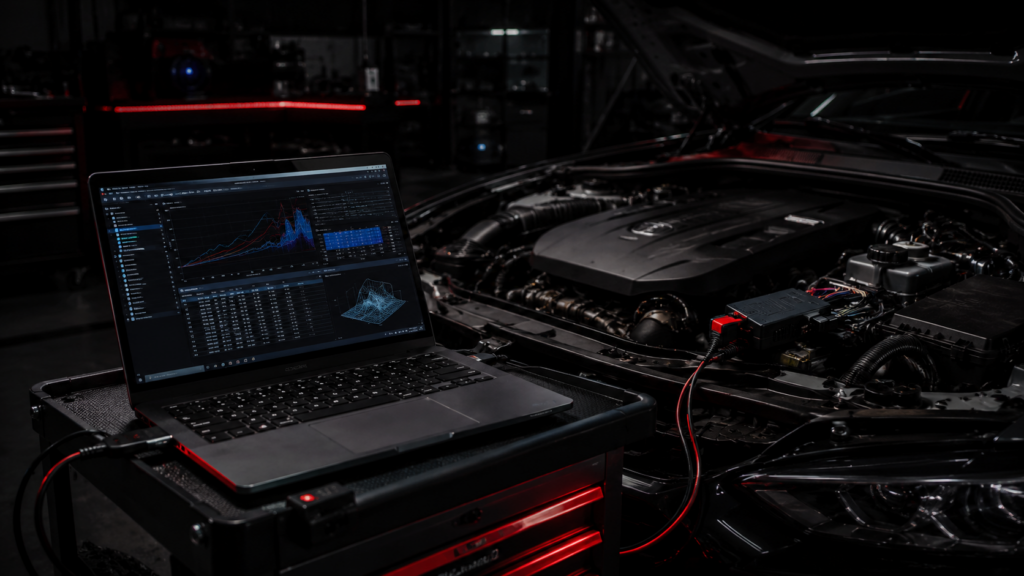
An LS wiring system may need to control or communicate with:
A swap may use:
Wiring should be:
Poor wiring can cause intermittent faults that are difficult to diagnose after the vehicle is assembled.
The ECU must be compatible with:
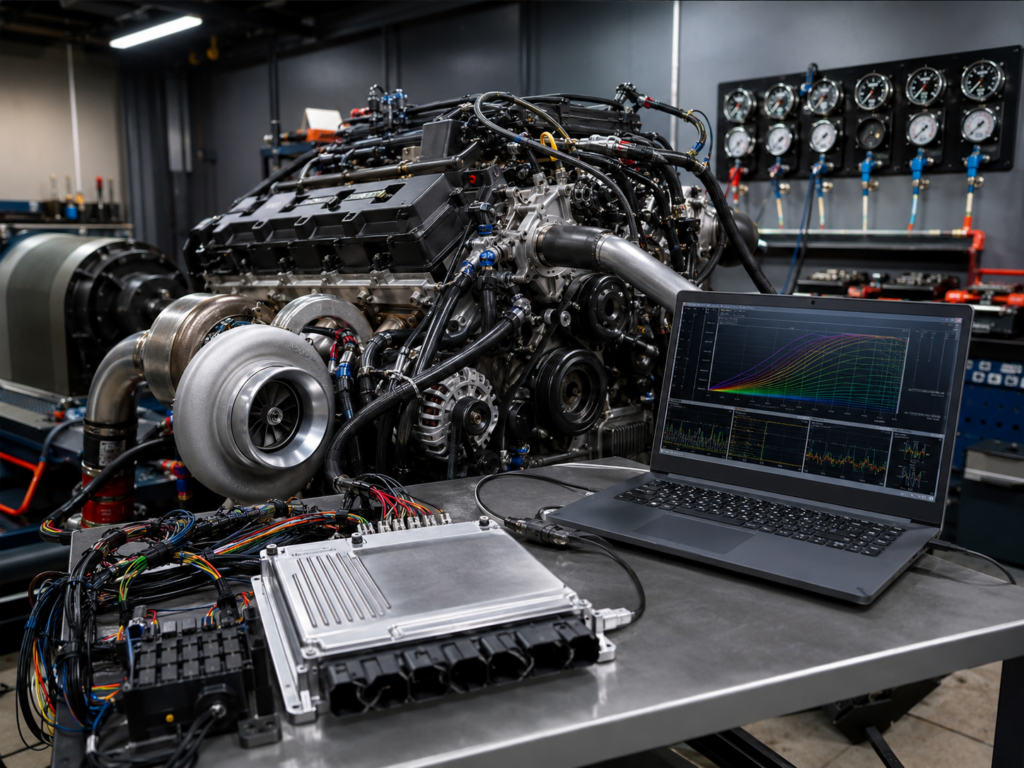
ECU integration may also involve:
Big South Performance’s publicly stated capabilities include ECU tuning and motorsport engineering. Proper calibration remains an essential part of a compatible LS conversion.
The calibration should match the completed engine, injectors, fuel pressure, induction system, exhaust, transmission, tire size, gear ratio, and intended fuel.
LS engines may use electronic throttle control or a mechanical throttle cable, depending on the platform.
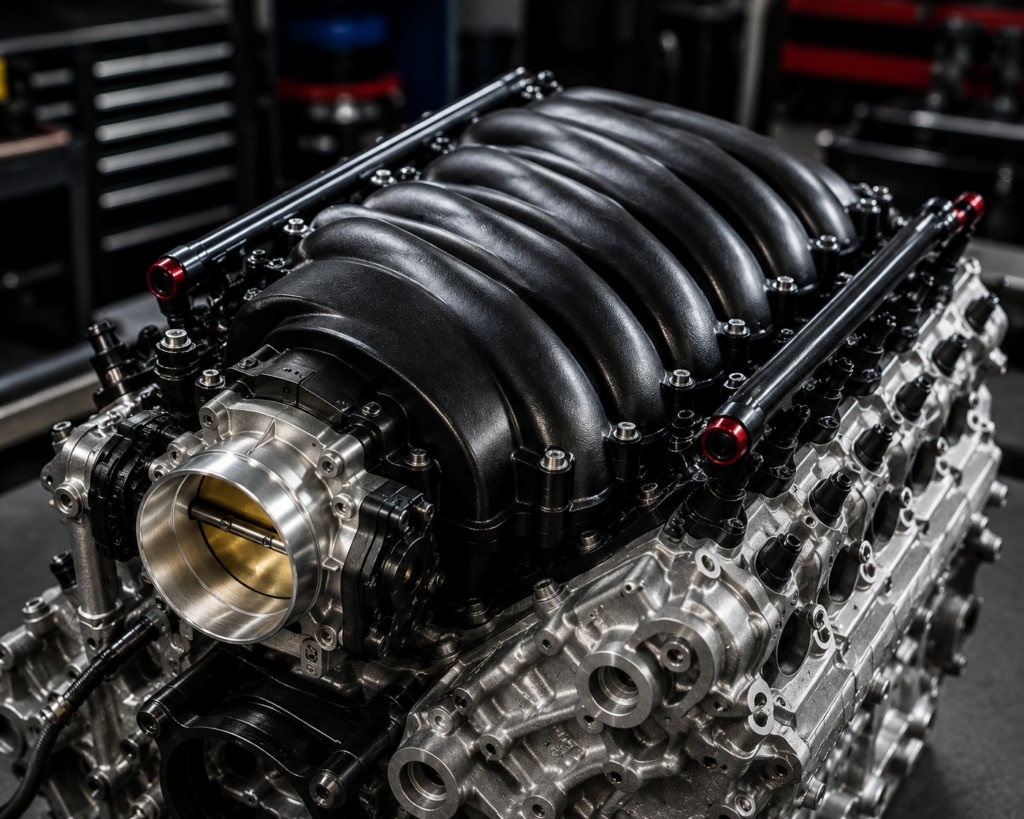
Electronic throttle may require:
Potential benefits may include:
A cable-throttle conversion may require:
The decision should be based on the engine, ECU, intended use, packaging, and desired functionality.
Electronic throttle should not be removed simply because cable throttle appears easier. Either system must be integrated correctly.
An LS engine requires the correct fuel pressure, flow, filtration, regulation, wiring, and injector capacity.
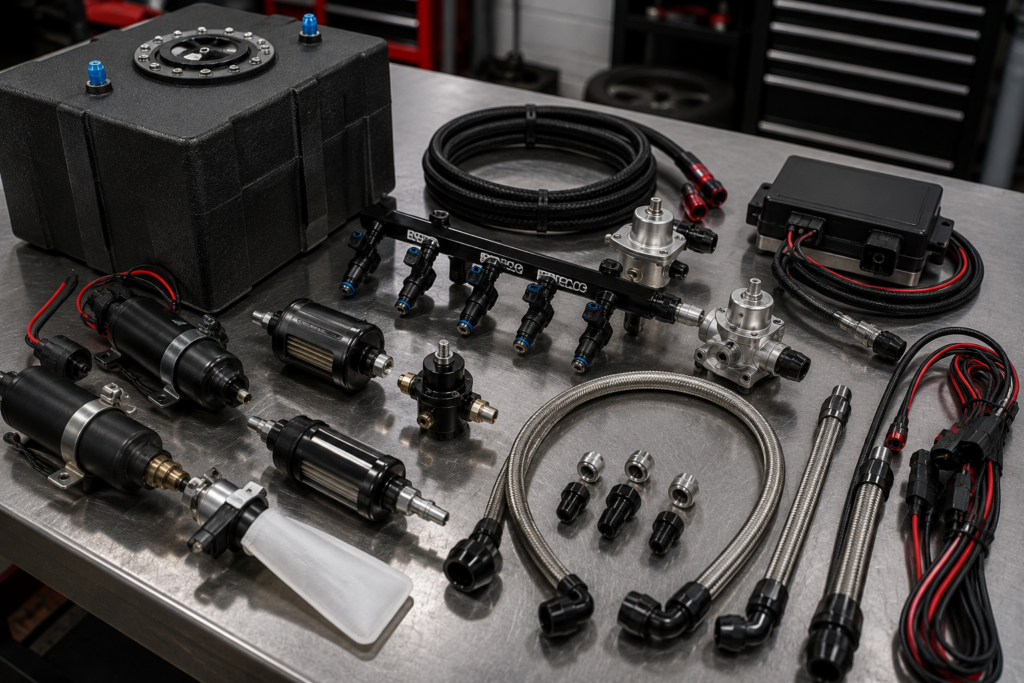
Fuel-system planning may include:
The fuel system must support:
Fuel-pump performance can decrease as fuel pressure rises. Voltage, wire size, heat, and fuel type can also affect capacity.
The complete system should be sized with adequate operating margin.
A properly integrated LS engine should remain stable during normal street driving and its intended performance use.
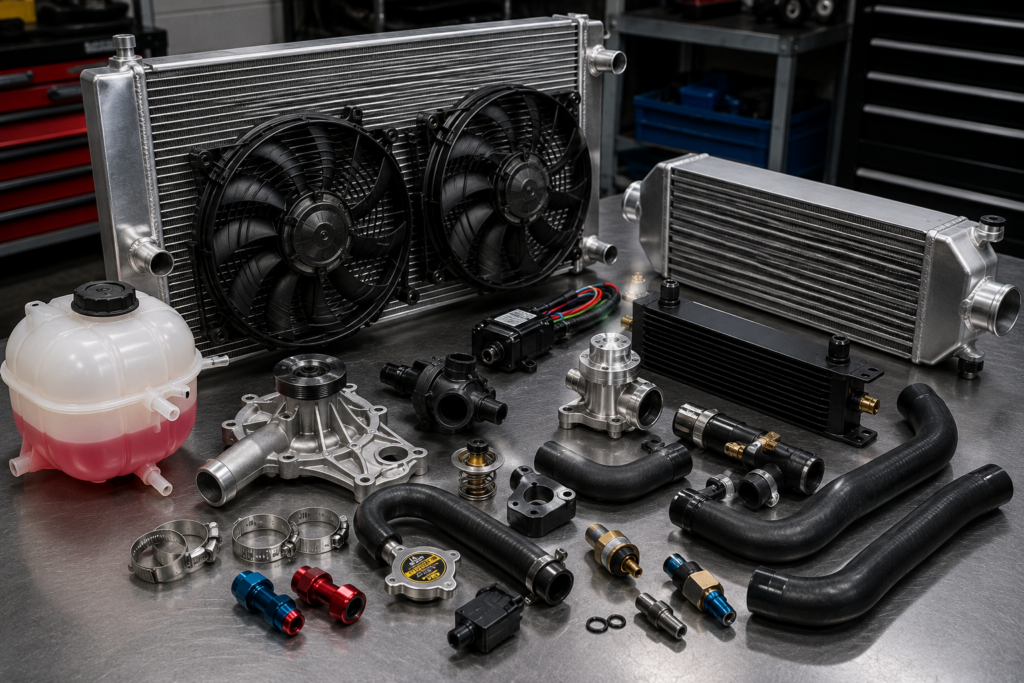
Cooling-system planning may involve:
LS steam ports must be addressed correctly to help manage trapped air and coolant flow in the cylinder heads.
A large radiator cannot compensate for poor airflow, incorrect hose routing, inadequate fan control, or trapped air.
Street-driven LS swaps must remain stable during Winston-Salem traffic, warm North Carolina weather, highway cruising, and extended idle.
Header and exhaust fitment may be affected by:
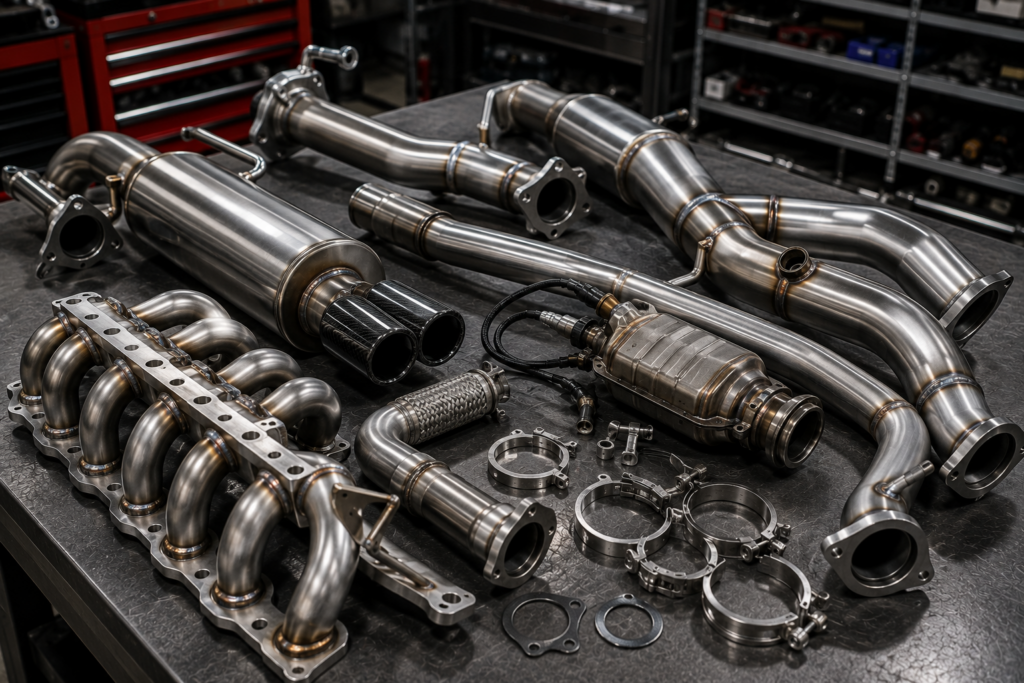
Exhaust planning may include:
The exhaust should support the engine’s displacement, camshaft, RPM range, naturally aspirated or boosted operation, and intended use.
Street-driven vehicles must retain all legally required emissions-control components.
Changing the engine or transmission often requires a different driveshaft.
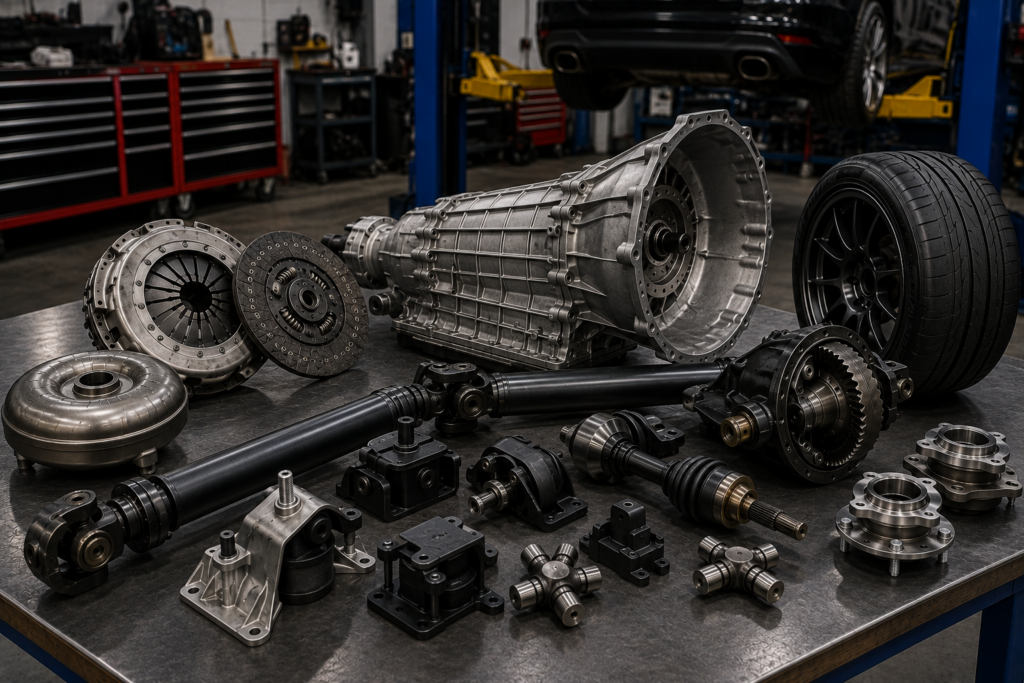
Important factors include:
Incorrect driveline geometry can create:
The driveshaft must be selected and installed for the power, speed, length, and intended vehicle use.
The original rear axle or differential may not be suitable for LS torque, higher-grip tires, or aggressive driving.
The rear drivetrain should be evaluated for:
Gear ratio should match:
A vehicle intended for highway cruising may require a different ratio from a drag-oriented build.
An LS swap can change vehicle weight and balance.
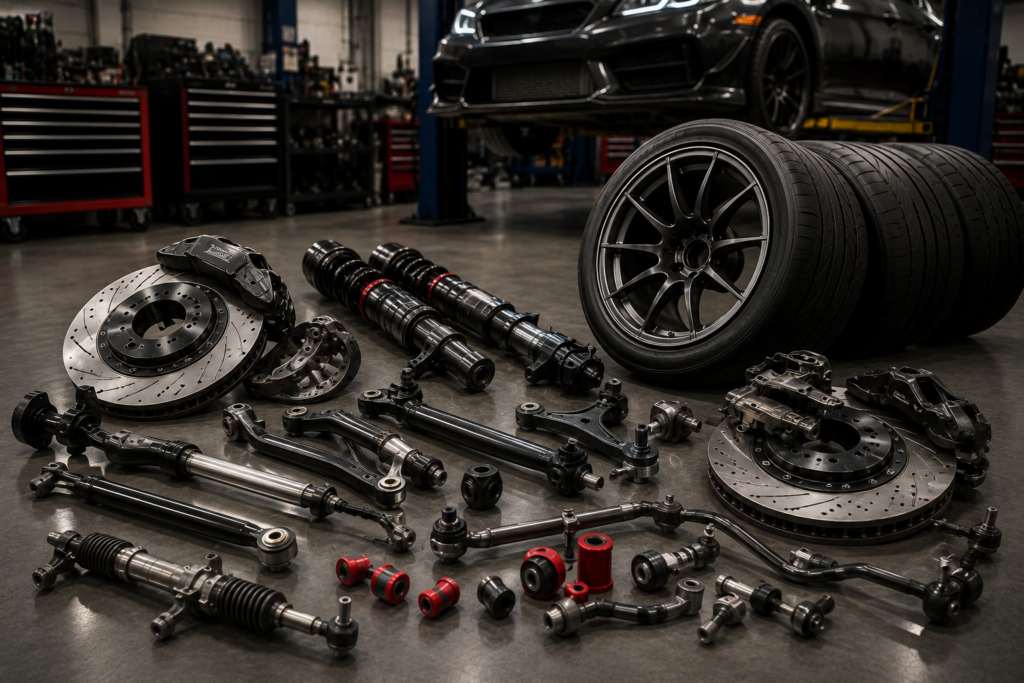
Important considerations may include:
A lighter powertrain may improve front-end response but require suspension adjustments. A heavier iron-block configuration may increase front-axle load.
The suspension should be evaluated after the completed vehicle reaches its operating weight.
Additional power should be considered alongside braking capability.
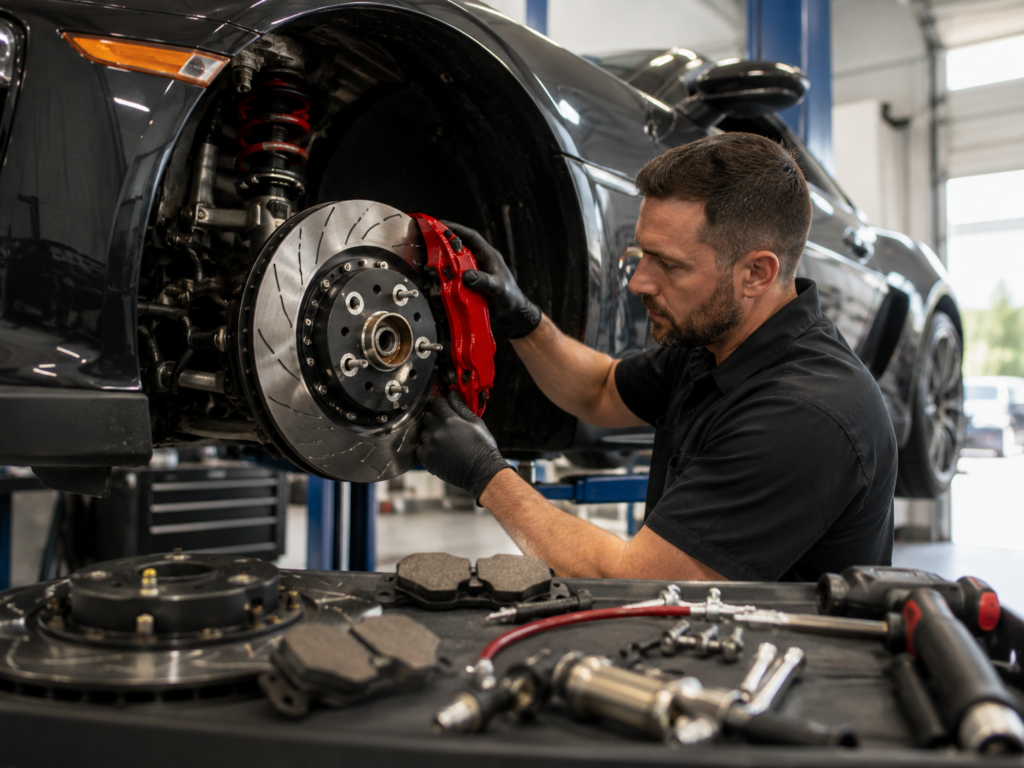
A brake evaluation may include:
A classic vehicle equipped with original brakes may not be appropriate for modern LS performance without supporting upgrades.
Street vehicles require predictable cold braking and safe operation in traffic. Motorsport vehicles may need greater heat resistance and repeatability.
A completed LS conversion should provide accurate information to the driver.
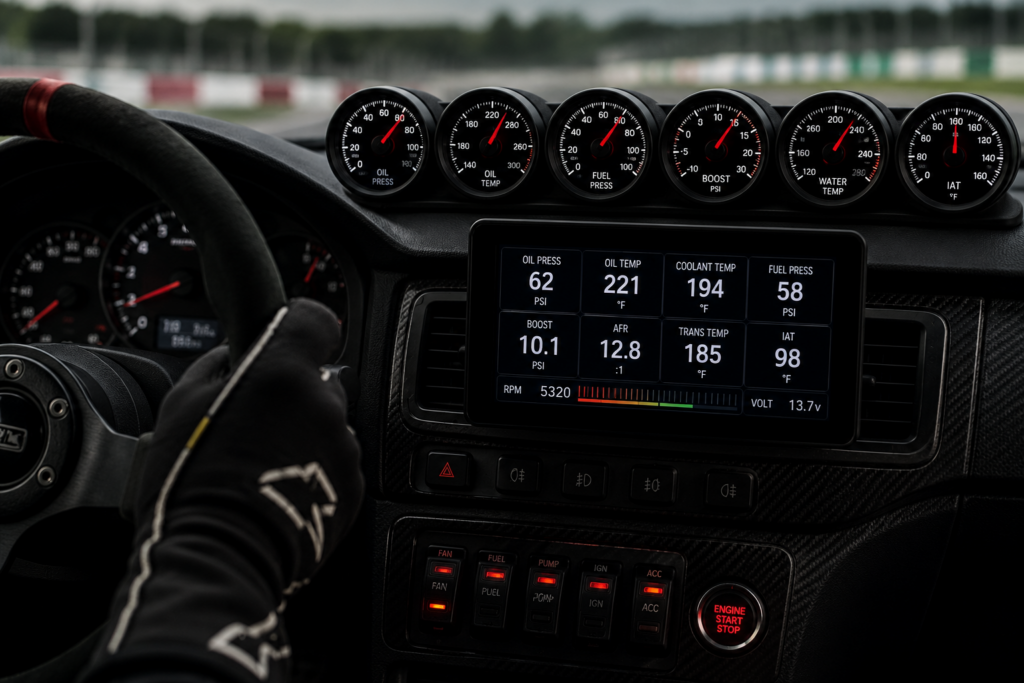
Gauge integration may include:
Possible solutions include:
The driver should be able to monitor critical engine conditions and access diagnostic information.
Many LS restomod owners want modern performance without sacrificing comfort.
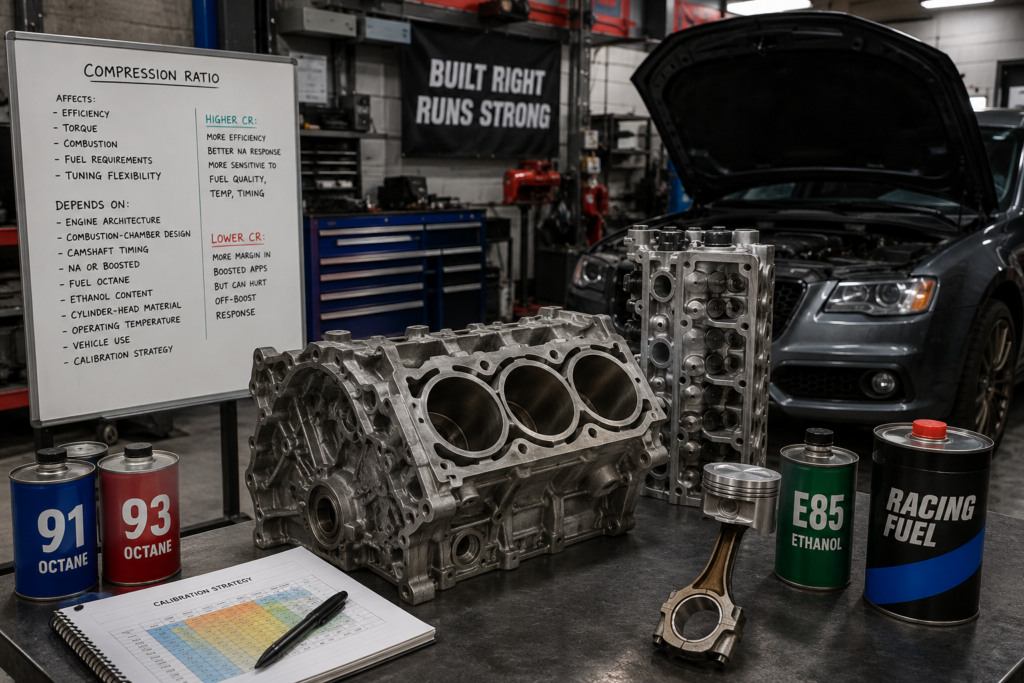
Air-conditioning integration may require:
Power-steering integration may require:
These systems should be planned before engine-bay space and accessory locations are finalized.
An LS engine can provide a classic vehicle with:
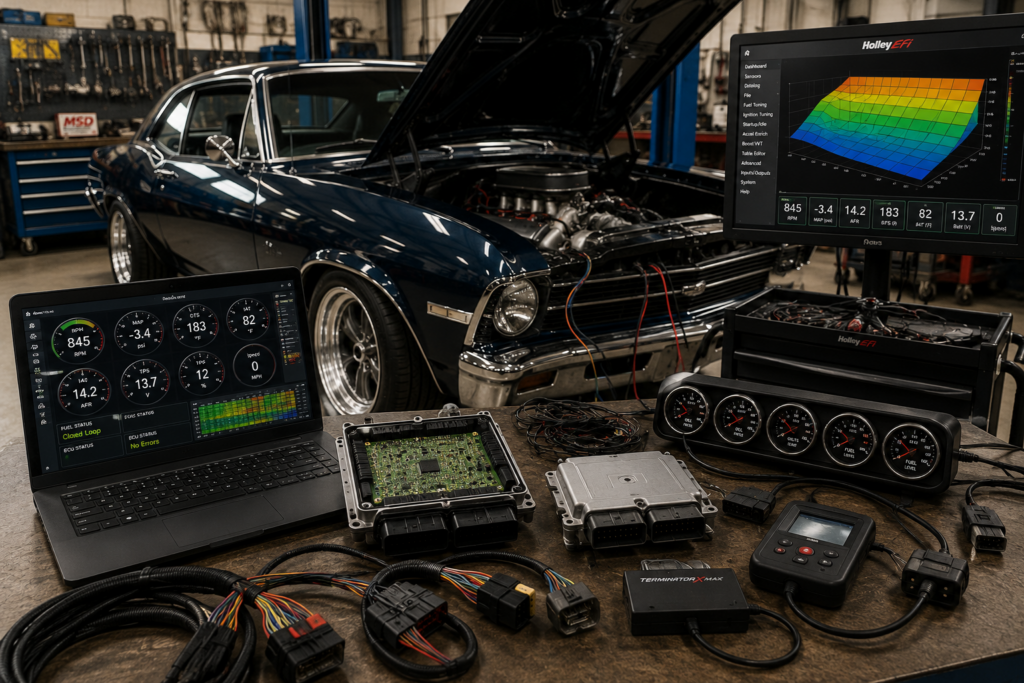
A complete classic-car LS swap should also address:
The objective should be a classic vehicle that starts, drives, shifts, cools, stops, and responds as one integrated system.
Classic trucks are popular LS swap candidates because many owners want modern drivability and power while retaining the vehicle’s original appearance and utility.
Truck-specific considerations may include:
A truck used for cruising may require a different engine, transmission, camshaft, and gearing strategy from a truck designed for drag racing or aggressive street performance.
A restomod combines classic styling with selected modern performance, comfort, and safety systems.
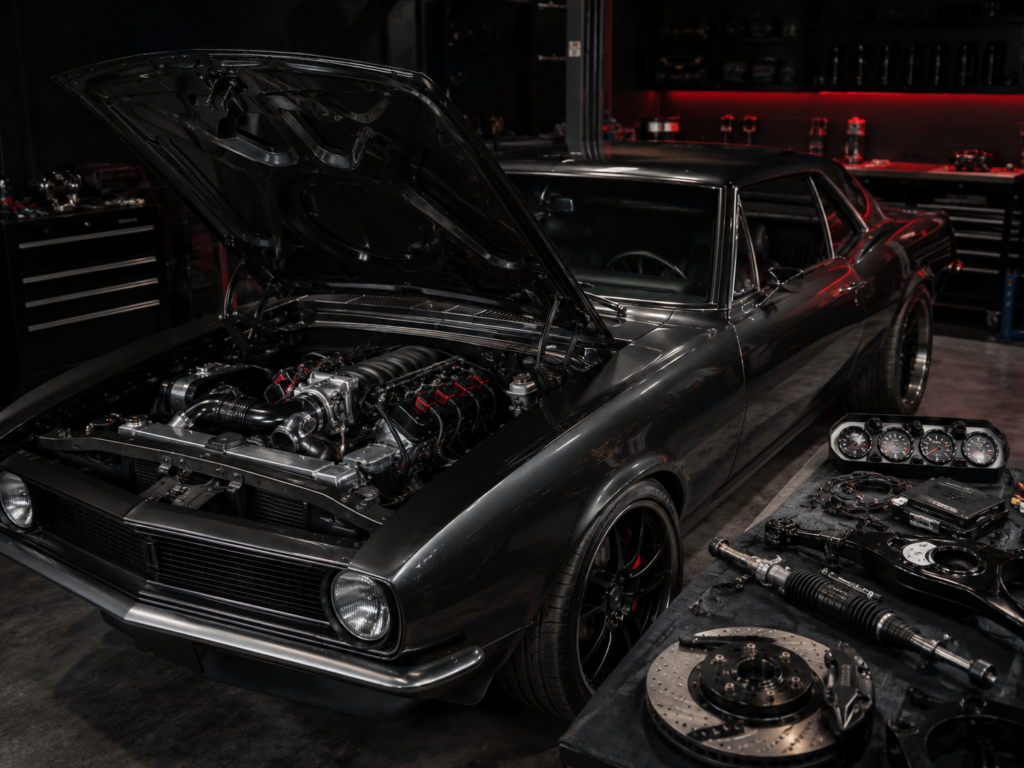
An LS restomod may include:
The build should preserve what the owner values about the vehicle while improving the areas that limit its usability.
A naturally aspirated LS swap may be appropriate for owners who want:
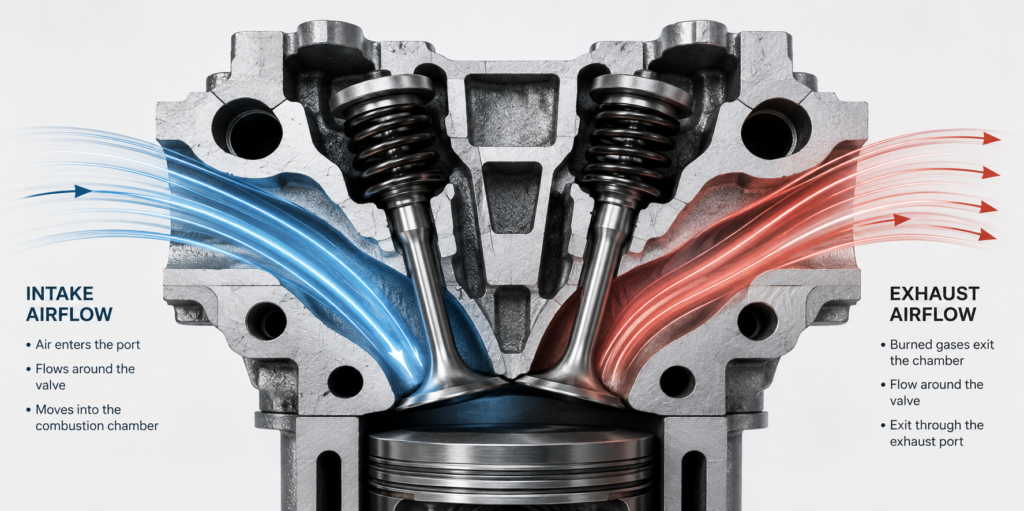
Potential upgrades may include:
These components should be selected to support the same powerband and intended use.
The largest camshaft, intake, or cylinder head is not automatically the best choice for a street-driven vehicle.
LS engines are frequently used with turbochargers and superchargers, but forced induction increases:
A compatible boosted LS conversion may require:
Boost level should not be selected independently of the engine, fuel, cooling system, transmission, drivetrain, and vehicle purpose.
Establish whether the vehicle will be used for:
Review:
Choose a compatible powertrain based on:
The plan may need to identify:
Potential emissions, inspection, registration, and insurance effects should be considered before work begins.
Mock-up establishes:
Complete the:
The calibration must match the completed engine, injectors, fuel pressure, throttle system, exhaust, transmission, tire size, gear ratio, and fuel.
Verify:
Review:
Engines that look similar may use different generations, sensors, electronics, intake systems, and accessories.
Missing harnesses, ECUs, pedals, accessories, sensors, and controllers can increase cost and delay the project.
An engine, ECU, harness, throttle body, and transmission from different applications may not work together without additional changes.
Temporary or poorly protected wiring creates reliability, safety, and diagnostic problems.
Incorrect pressure, weak pumps, inadequate wiring, or undersized injectors can create severe engine risk.
Poor fan control, steam-port routing, hose design, or airflow can cause overheating even with a large radiator.
An overly aggressive camshaft may reduce low-speed response, vacuum, drivability, and transmission compatibility.
Incorrect engine, transmission, or differential positioning can cause vibration and component failure.
A balanced build must accelerate, steer, maintain traction, and stop safely.
Spark plugs, filters, belts, sensors, fluids, and fasteners should remain accessible after the swap.
The engine is only one part of the conversion cost.
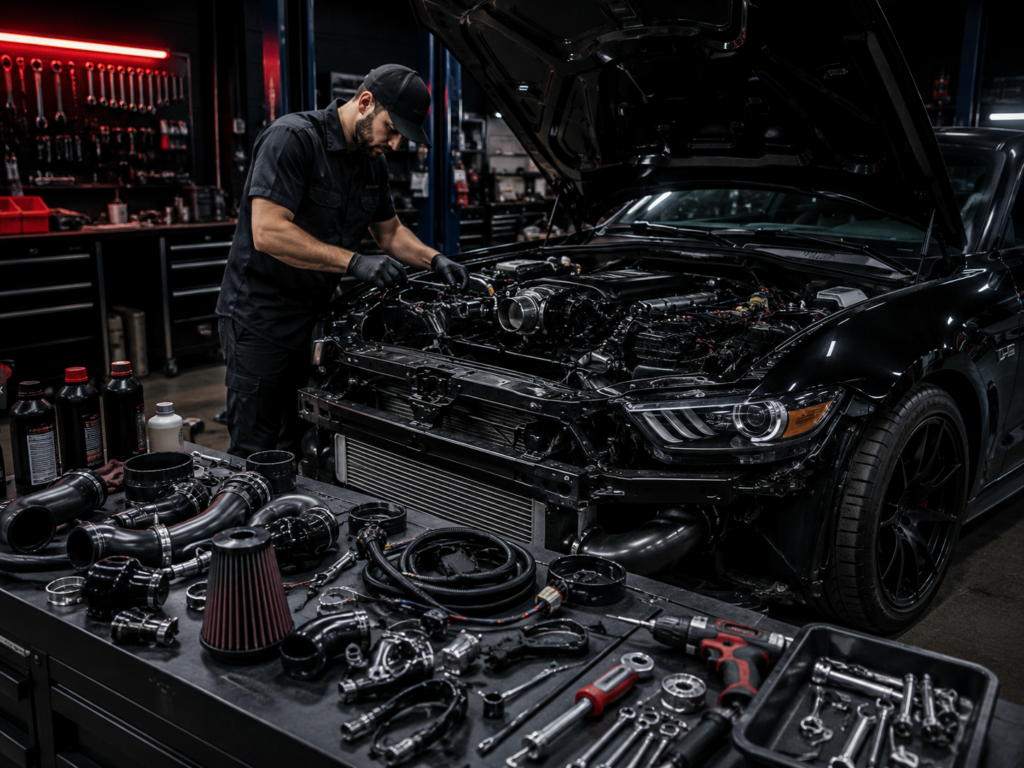
Major cost factors may include:
A low-cost donor engine does not necessarily result in a low-cost LS swap.
The most accurate estimate requires a defined vehicle, engine, transmission, parts list, and service scope.
Customer-supplied components may be considered, but their identity, condition, and compatibility must be evaluated.
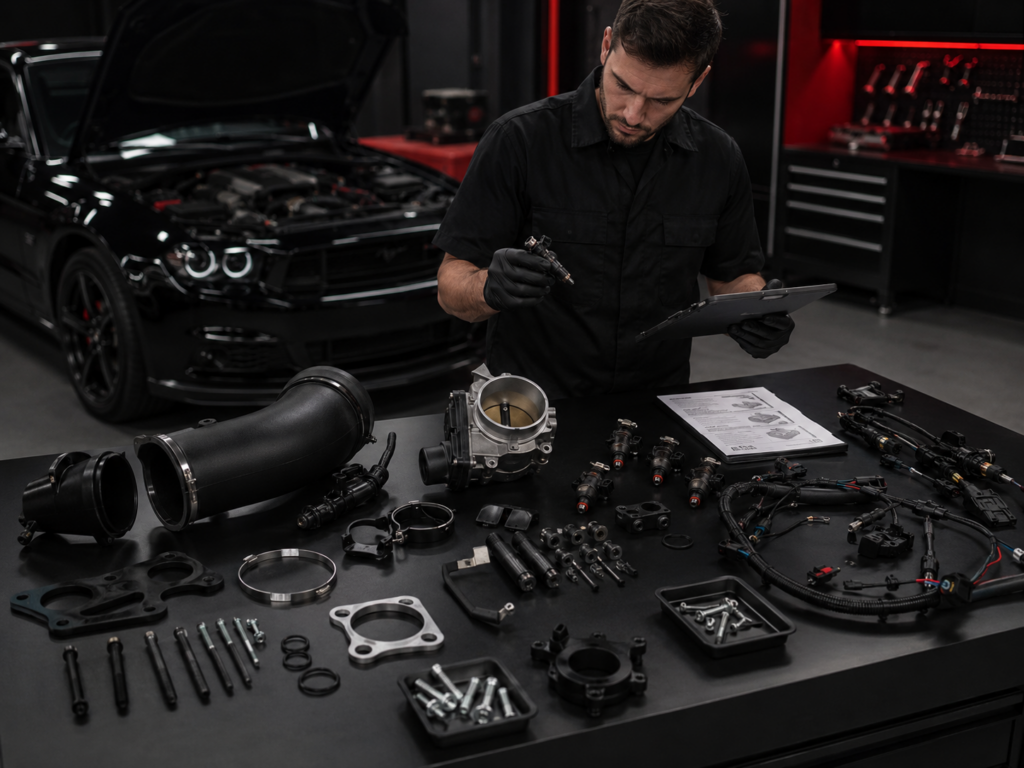
Common problems include:
Before purchasing an LS engine or swap kit, confirm:
An LS swap can provide dependable operation when the engine, transmission, wiring, fuel system, cooling system, exhaust, drivetrain, and calibration are properly matched.
Reliability depends on:
A factory LS engine does not guarantee factory-like reliability when installed with inadequate cooling, poor wiring, incorrect fuel pressure, or an incompatible calibration.
Maintenance requirements depend on the engine, modifications, fuel, vehicle use, and drivetrain.
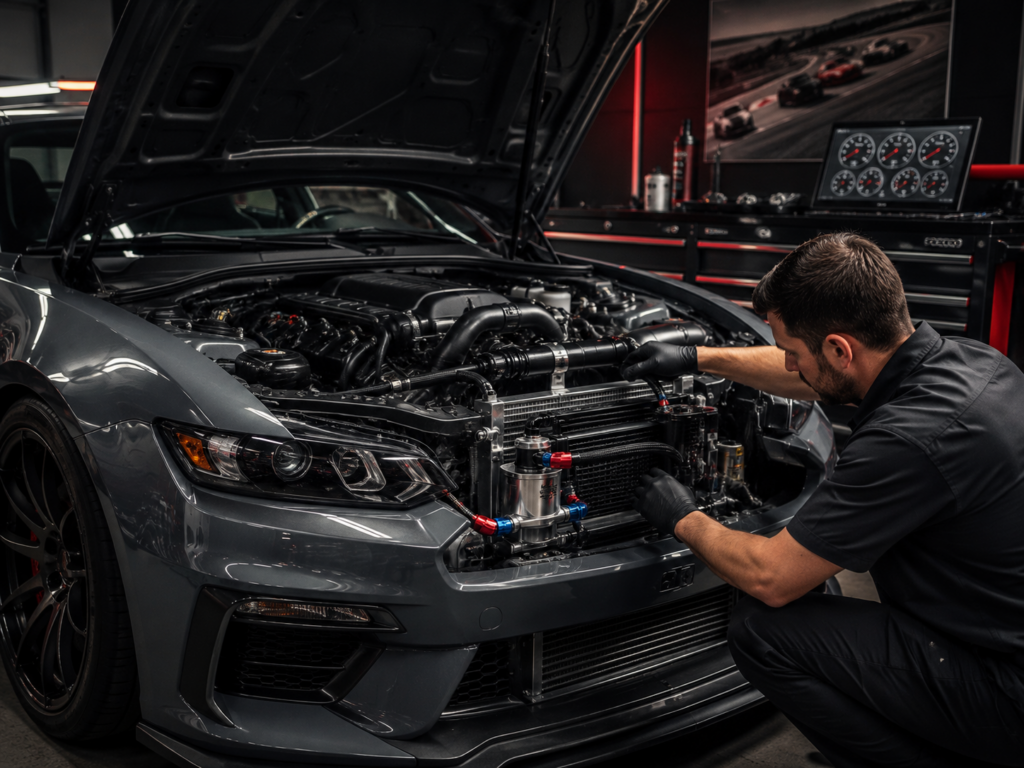
A maintenance plan may include:
Motorsport vehicles may require maintenance according to passes, laps, events, or operating hours rather than mileage alone.
Street-driven LS swaps must comply with applicable federal, state, and local requirements.
The U.S. Environmental Protection Agency’s vehicle and engine tampering policy addresses modifications that remove, bypass, defeat, or render required emissions-control systems inoperative. Review the current EPA vehicle and engine tampering policy.
North Carolina requires eligible vehicles to complete annual safety inspections. Vehicles registered in designated counties may also require emissions inspections:
Vehicle owners should consider how an LS conversion may affect:
Big South Performance does not recommend using software, hardware, or conversion work to conceal faults or defeat legally required emissions controls.
Current requirements should be confirmed before modifying a street-driven vehicle.

Big South Performance approaches LS conversions through its broader focus on performance vehicles, restomods, ECU tuning, and motorsport engineering.
The engine, transmission, wiring, ECU, fuel system, cooling system, exhaust, drivetrain, suspension, brakes, and gauges must support the same goal.
Classic vehicles require thoughtful integration of modern powertrains with older chassis, steering, fuel, electrical, brake, and suspension systems.
Modern LS swaps depend on proper engine-management configuration, sensor operation, fan control, fuel control, transmission communication, and diagnostic access.
A daily-driven restomod and a competition vehicle require different choices regarding engine configuration, gearing, mounts, cooling, fuel, exhaust, and calibration.
A larger LS project may be divided into logical stages so foundational upgrades are completed before additional performance is added.
A responsible project plan considers cost, compatibility, legal requirements, drivability, serviceability, maintenance, and long-term use.
Big South Performance serves performance enthusiasts from Winston-Salem and surrounding communities, including:
Owners of classic cars, trucks, restomods, street-performance vehicles, and motorsport projects may travel beyond their immediate area for specialized LS powertrain planning and integration.
Provide:
Do not purchase major swap components before confirming that the proposed combination is compatible.
An LS swap replaces a vehicle’s original engine with a GM LS-series V8. These engines are popular for their strong performance, reliability, compact design, and wide aftermarket support. Depending on the vehicle, the swap may also require changes to mounts, wiring, cooling, fuel delivery, exhaust, and transmission components.
LS engines are popular because of their compact design, broad aftermarket support, factory fuel injection, available displacement options, tuning support, and potential for naturally aspirated or forced-induction performance.
LS engines have been installed in many classic cars, trucks, restomods, sports cars, and motorsport vehicles. Compatibility depends on physical fitment, vehicle condition, transmission, wiring, cooling, fuel, drivetrain, legal requirements, and budget.
No. An engine replacement generally installs the same or directly compatible engine. An LS swap changes the original powertrain configuration and normally requires additional integration.
Cost depends on the vehicle, LS engine, transmission, ECU, wiring, mounts, oil pan, accessories, fuel system, cooling, exhaust, driveshaft, differential, gauges, brakes, suspension, calibration, and project condition.
The timeline depends on vehicle condition, parts availability, project complexity, wiring, fitment, supporting systems, and calibration. A schedule should be established after the vehicle and proposed combination are evaluated.
There is no universal best LS engine. The correct choice depends on vehicle weight, intended use, desired power, fuel, budget, transmission, electronics, engine condition, and future plans.
Neither is automatically better. Iron blocks may offer strength and availability, while aluminum blocks reduce weight. The correct choice depends on the vehicle, output target, handling goals, budget, and engine condition.
Potentially. Truck engines may require changes to the intake manifold, accessory drive, oil pan, exhaust, wiring, ECU, and other components to fit a lower car chassis.
Potentially. Truck engines may require changes to the intake manifold, accessory drive, oil pan, exhaust, wiring, ECU, and other components to fit a lower car chassis.
Possibly. The transmission must be mechanically compatible and capable of supporting the engine’s torque. Adapters, clutch components, controllers, or calibration changes may be required.
Potentially. Air-conditioning retention depends on compressor location, accessory-drive spacing, frame clearance, hoses, condenser capacity, controls, and ECU integration.
Original gauges may require compatible sending units, signal converters, CAN-bus interfaces, or an aftermarket instrument system.
Many LS swaps require changes to fuel pressure, pump capacity, wiring, filtration, regulation, lines, or injectors. The specific needs depend on the engine and vehicle.
Not always, but the cooling system must be evaluated for engine output, vehicle use, airflow, fan capacity, hose routing, and steam-port integration.
They may be strongly recommended based on vehicle weight, original brake design, increased speed, tire grip, and intended use.
Customer-supplied parts may be evaluated. The engine’s identity, condition, included components, electronics, and compatibility must be confirmed before a project scope is established.
An unfinished or previously modified project may be evaluated. Existing fitment, wiring, ECU, fuel, cooling, exhaust, drivetrain, and workmanship must first be understood.
A street-driven LS conversion must comply with applicable federal emissions law and North Carolina safety, inspection, registration, and emissions requirements.
It is usually better to establish the complete project plan first. A kit may not match the exact engine generation, transmission, chassis, accessory drive, oil pan, or intended use.
A successful LS conversion begins with a complete plan—not simply an engine purchase.
Contact Big South Performance to discuss your vehicle, proposed LS engine and transmission, current parts, intended use, performance objectives, budget, and long-term build direction.
Big South Performance serves Winston-Salem, Forsyth County, and the surrounding Piedmont Triad with performance-focused LS swap planning, restomod development, ECU integration, and motorsport engineering.
Tell us what you drive, which LS powertrain you are considering, and what you want the completed vehicle to accomplish.